Premium lightweight polyurethane and composite rock systems engineered for modern architecture in Japan.
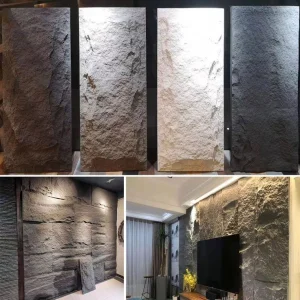
Advanced ultra-lightweight high-density polyurethane paneling mimicking natural basalt textures. Highly dynamic thermal performance.
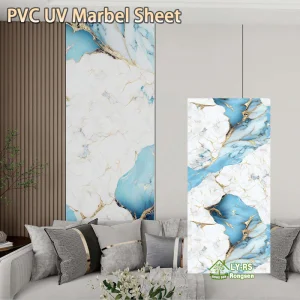
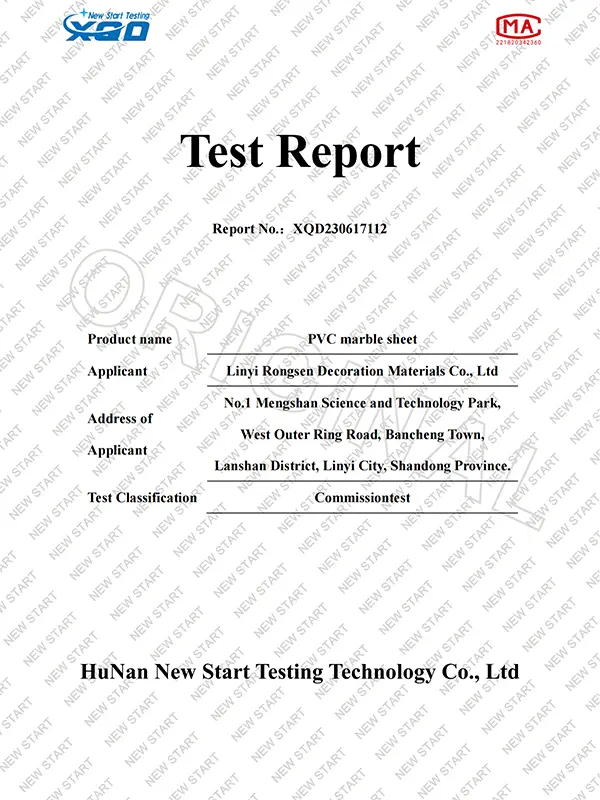
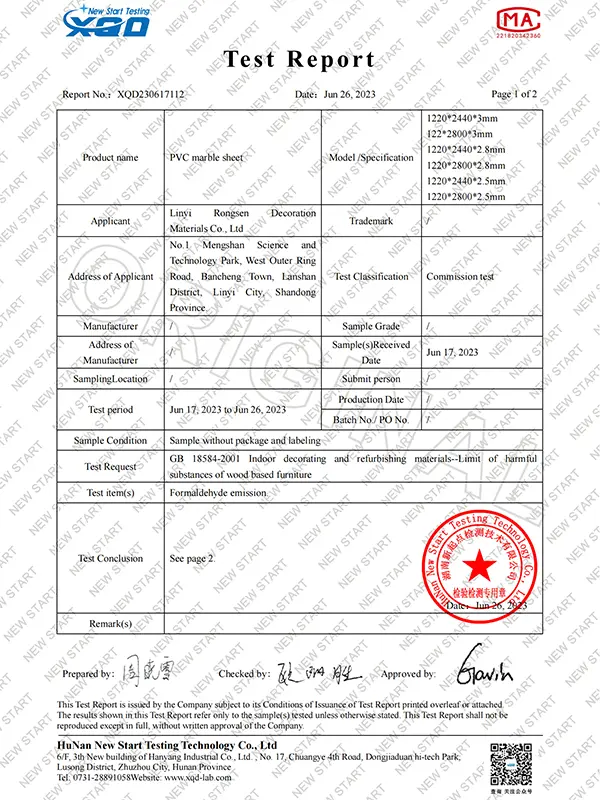
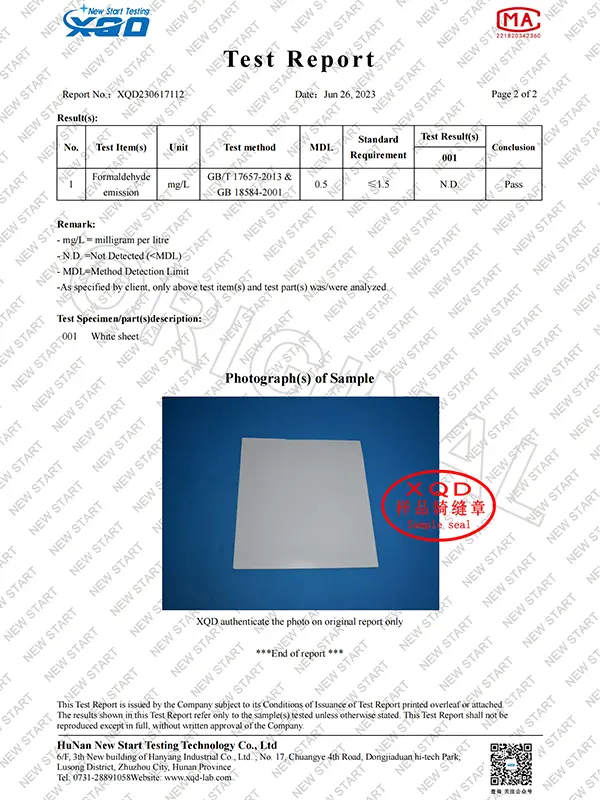
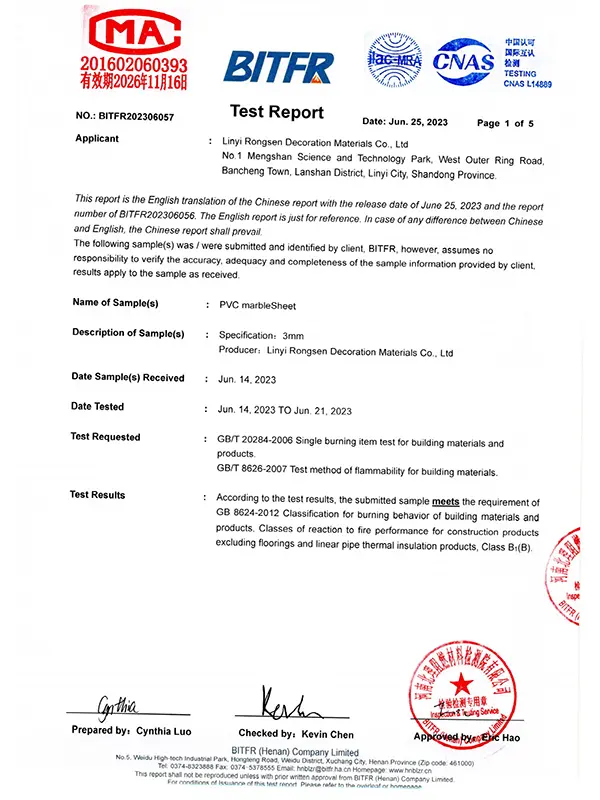
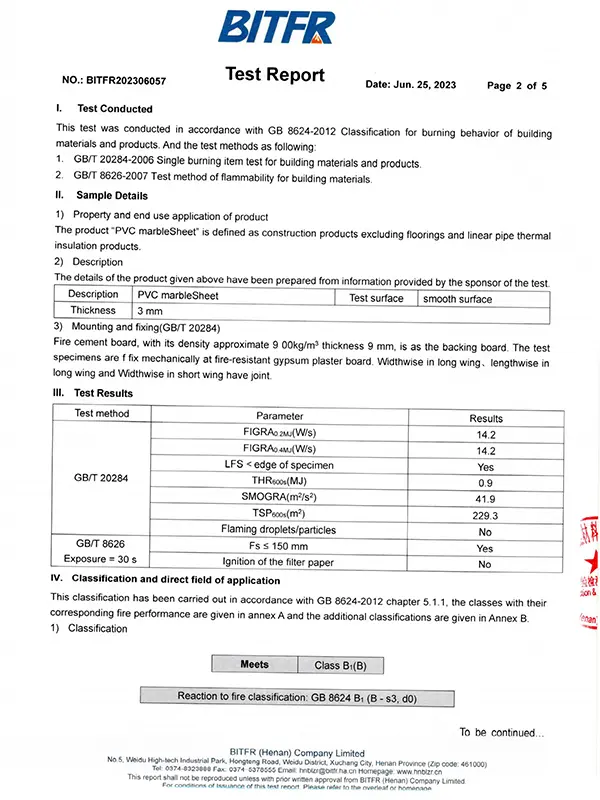
Class B1 fireproof performance engineered PVC marble sheets. Suitable for interior cladding in high-traffic commercial zones.
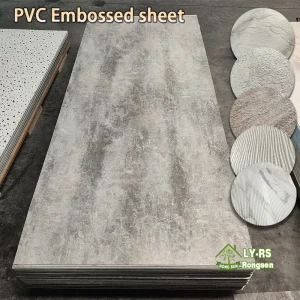
Specially coated PVC rock panels designed to minimize solar heat gain. Ideal for modern urban exteriors in Japan's major warm zones.
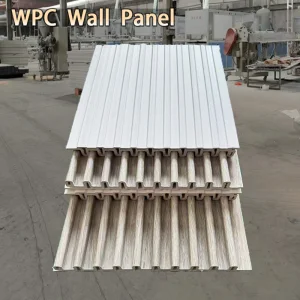
Wood-plastic composite panels offering F☆☆☆☆ level VOC emission compliance. Durable, modular, and easy to install on wall studs.
This whitepaper details the structural application, material advantages, and regulatory metrics of Polyurethane (PU) stone wall panels within the Japanese commercial, hospitality, and residential construction landscape. Prepared by Linyi Rongsen Decoration Material Co., Ltd., a premier manufacturer supplying Asia-Pacific markets.
Japan’s architectural sector is globally renowned for integrating minimalist aesthetics with rigorous structural standards. Due to the high frequency of seismic activity, structural load limits are highly regulated under the Building Standard Act (BSA) of Japan. Traditional heavy masonry like natural granite, volcanic tuff, or slate cladding places massive mechanical loads on the structural framework of buildings, necessitating heavy steel reinforcing.
To address this, Japanese contractors are actively transitioning to lightweight composite cladding systems. High-density polyurethane (PU) stone panels, weighing only 3 to 4 kg per square meter (compared to 40+ kg/m² for natural stone), have emerged as a highly functional alternative. This dramatic reduction in dead load mitigates seismic kinetic energy, decreasing the risk of facade detachment during lateral ground movements. Furthermore, with the ongoing labor shortage in the Japanese construction sector (the "2024 logistics and labor challenge"), the quick interlocking assembly of PU stone panels reduces installation timelines by up to 70%, making it highly popular in urban development areas like Tokyo, Osaka, and Nagoya.
At Linyi Rongsen, our manufacturing processes utilize state-of-the-art high-pressure injection molding machines. Liquid polyurethane components (polyol and isocyanate blends) are chemically reacted inside precisely textured molds cast from real stone slabs. This results in closed-cell polyurethane foam panels that faithfully replicate natural stone textures while maintaining robust physical and chemical integrity.
Looking toward the future, our technical roadmap focuses on bio-based polyols derived from agricultural waste to reduce carbon footprints. We are also developing photocatalytic self-cleaning titanium dioxide coatings for exterior panels, allowing atmospheric UV rays to break down organic dirt, which is then washed away by natural rain—a highly desirable feature in Japan's humid, high-density residential developments.
Internationally, the sourcing dynamics for PU stone wall panels are driven by the rising cost of natural resource extraction and stricter regional environmental footprint laws. Real quarrying is increasingly restricted due to environmental degradation. In contrast, PU decorative wall materials offer a clean, highly circular engineering solution.
For global distributors, purchasing directors, and commercial developers, Linyi Rongsen offers a reliable solution. By placing our primary production plant in Linyi, Shandong, near major deepwater shipping ports like Qingdao, we bypass complex inland shipping hurdles. This optimized supply chain ensures reliable transport times and lower shipping rates directly to main ports like Yokohama, Tokyo, and Osaka.
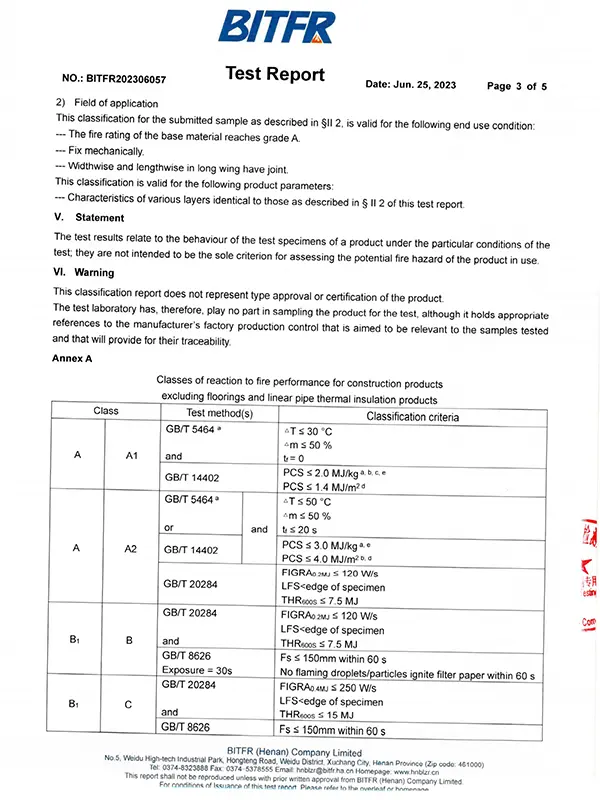
Selling architectural materials in Japan requires strict compliance. At Linyi Rongsen, we test our materials against various Japanese industrial parameters:
A global leader in structural polyurethane and polymer wall solutions, connecting logistics advantages to Japanese ports.
Linyi Rongsen Decoration Material Co., Ltd. is located in Linyi, Shandong Province, China. Known as the "Logistics Capital of China," Linyi's proximity to major shipping ports ensures reliable global supply chains and competitive shipping rates to Japan.
We produce and export a wide range of materials, including PVC UV marble panels, PVC embossed panels, 3D printed backdrops, PS wall panels, WPC wall panels, PU stone wall panels, and decorative lines. Every product reflects our commitment to form and function.
We operate under two fundamental principles: integrity and quality. These are the guiding stars that steer our company. We value your trust and prioritize the delivery of high-quality products that meet international standards.
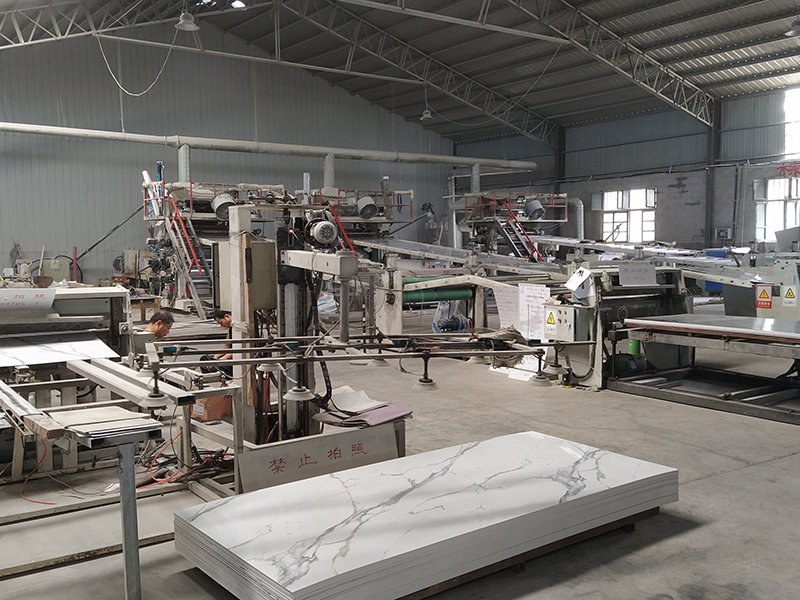
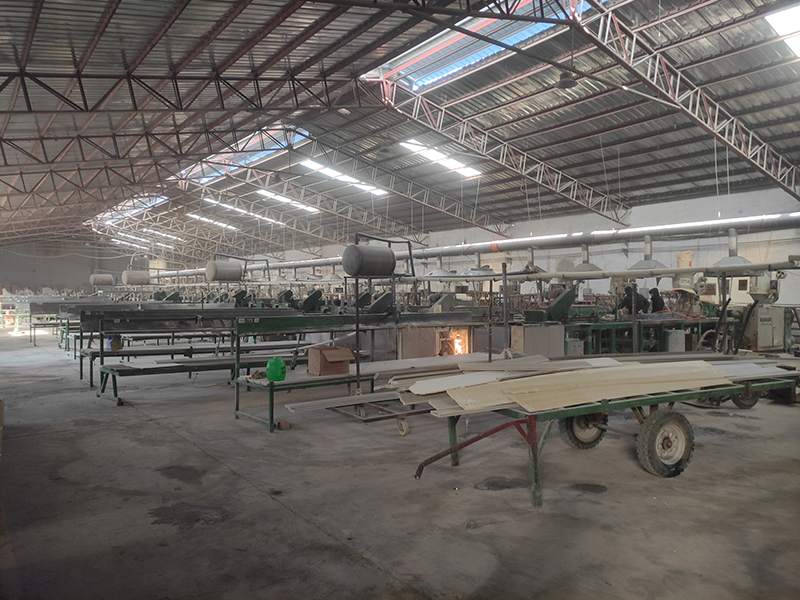
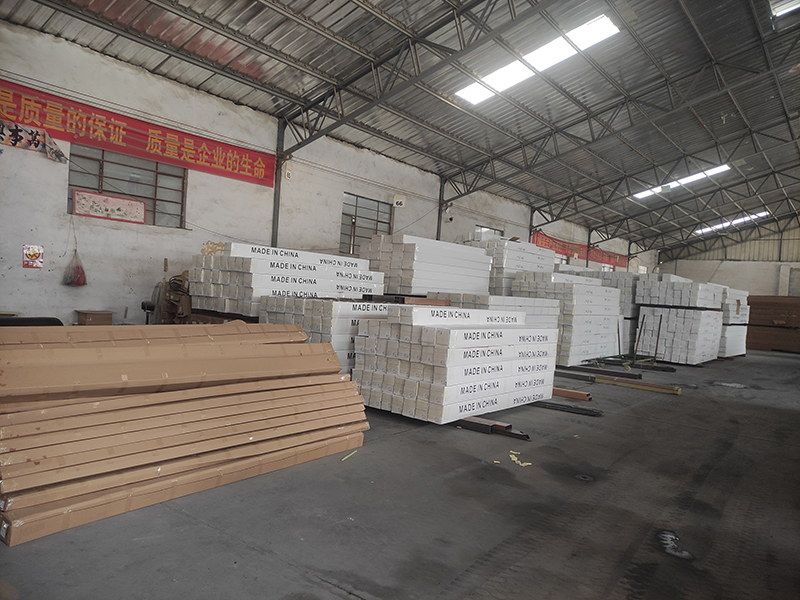
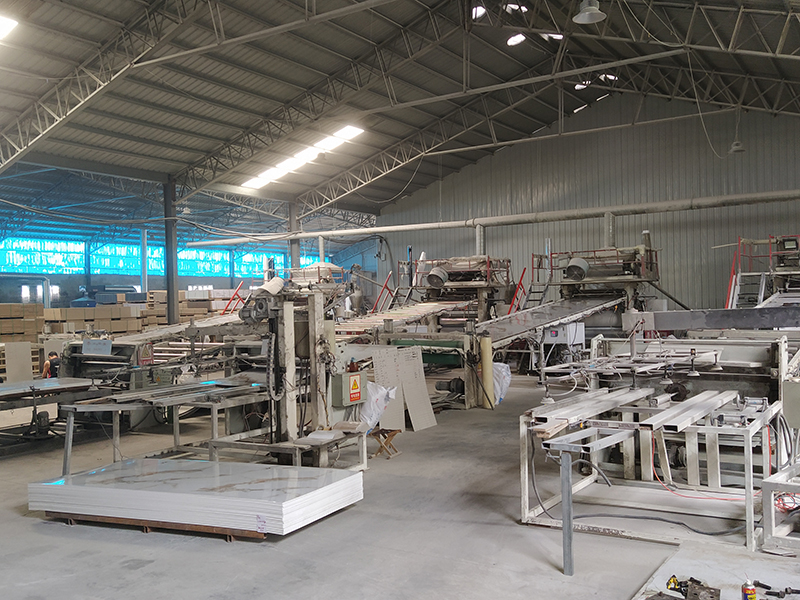
Our products undergo rigorous testing to comply with international fire, environmental, and structural safety parameters.
Explore our complete material catalog, featuring advanced polymeric wall finishes and external structural components.
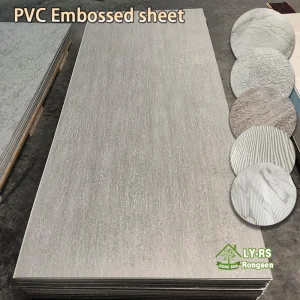
Features a high-gloss finish with a wear-resistant UV layer. Perfect for luxury commercial backdrops in premium shopping hubs.
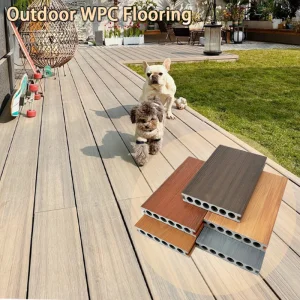
Highly durable, co-extruded wood-plastic decking with hollow structural channels. Resistant to mold and decay in wet conditions.
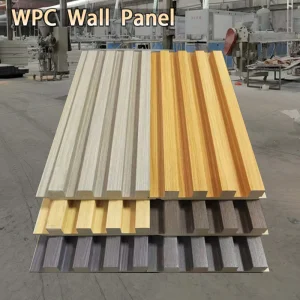
Modern linear slats designed to improve acoustics and add clean visual symmetry. Designed for simple click-lock installation.
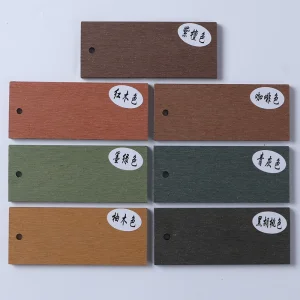
Engineered for slip resistance and durability, this WPC flooring is ideal for outdoor patios and terraces.
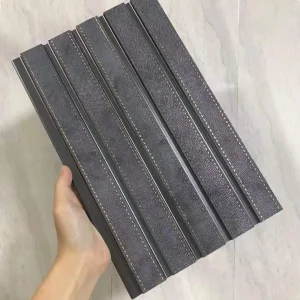
Extruded polystyrene panels that are lightweight, durable, and highly moisture-resistant, perfect for high-rise projects.
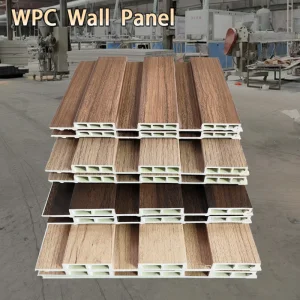
Waterproof and moisture-proof interior cladding. Resists warping, moisture buildup, and insect damage.
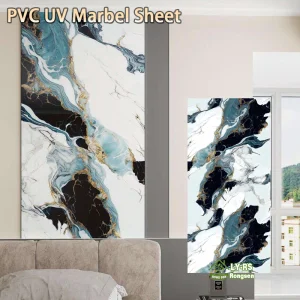
Stone-plastic composite with a high-durability mineral core. Rated Class B1 fireproof, ideal for commercial projects.
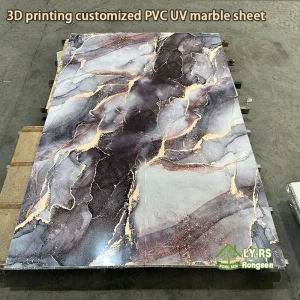
Specially formulated substrates designed for UV digital printing. Delivers high image resolution and excellent weathering performance.
Technical answers to common engineering and sourcing questions about PU stone panels in the Japanese market.
 Rongsen