Discover our heavy-duty Wood-Plastic Composites (WPC) and exterior cladding engineered specifically to endure intense solar UV in Nairobi, coastal humidity in Mombasa, and extreme temperature variations across the Rift Valley.
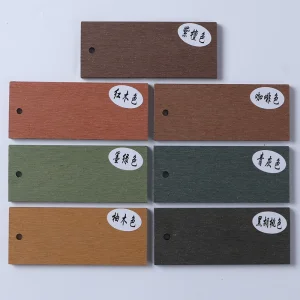
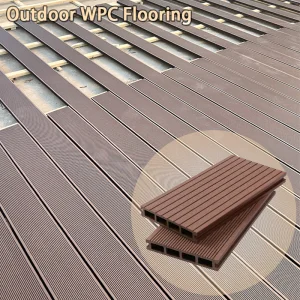
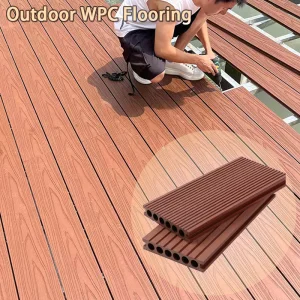
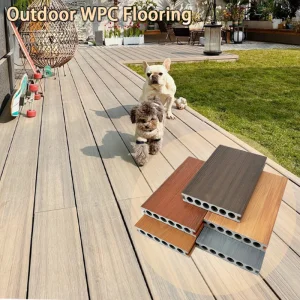
Kenya is undergoing an unprecedented real estate and infrastructural development phase. From modern high-rises in Nairobi's Westlands and Kilimani districts to luxury tourist eco-lodges along the Rift Valley lakes and marine structures in Mombasa, construction and design standards are pivoting towards sustainability and long-term durability. Traditional outdoor deckings, primarily constructed from local cypress, mahogany, or imported pine, present substantial long-term maintenance liabilities in East Africa.
Tropical soils throughout East Africa harbor resilient species of wood-boring insects. Standard timber suffers structural failure within years, whereas polymer-bound WPC is completely inedible to termites.
At an altitude of 1,795 meters above sea level, Nairobi's intense solar radiation causes wood to crack, warp, and discolor rapidly. Our co-extruded boards contain advanced UV inhibitors that preserve color and structure.
Mombasa's Indian Ocean shoreline presents severe corrosive and humid challenges. WPC requires no painting, staining, or chemical treatments to resist mold and rot in coastal zones.
Linyi Rongsen Decoration Material Co., Ltd. is strategically based in Linyi, Shandong Province, China. Widely recognized as the "Logistics Capital of China," Linyi benefits from unparalleled connectivity. Our proximity to major international ports like Qingdao ensures seamless, low-cost maritime shipping to the Port of Mombasa, reducing transit times and logistics costs for Kenyan buyers.
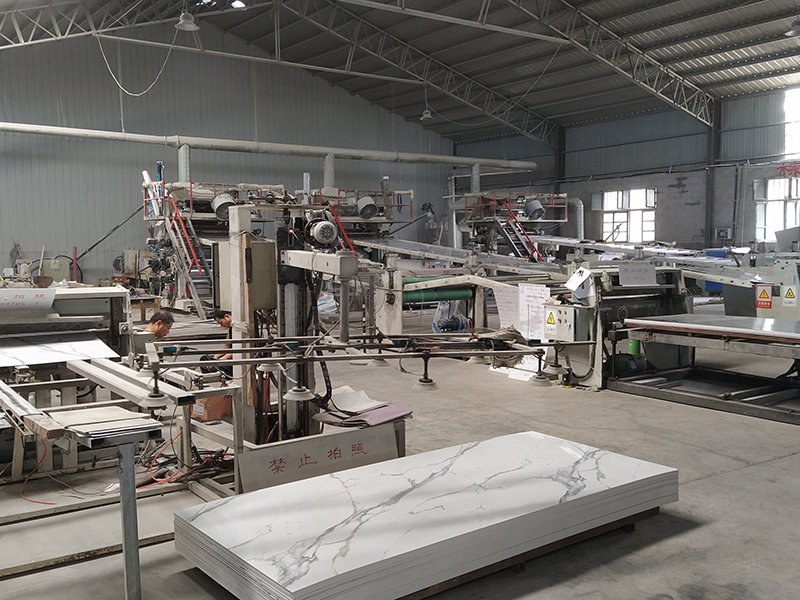
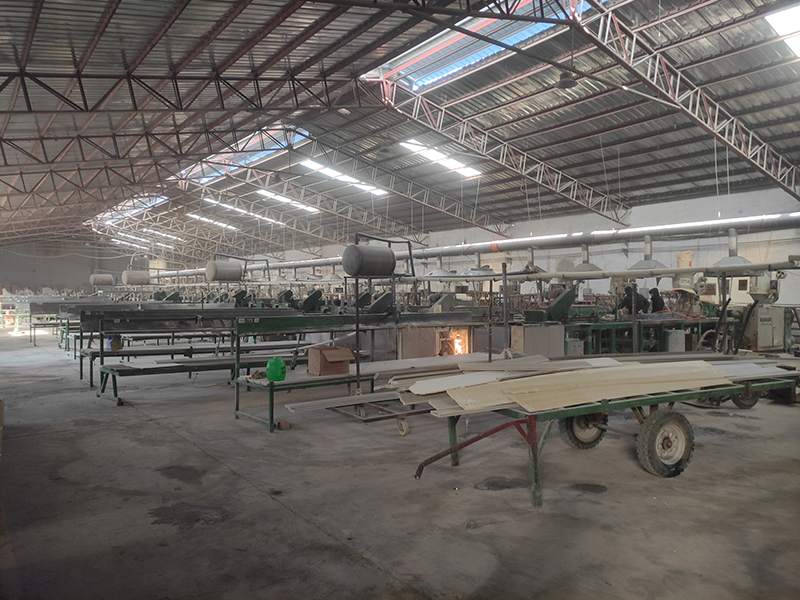
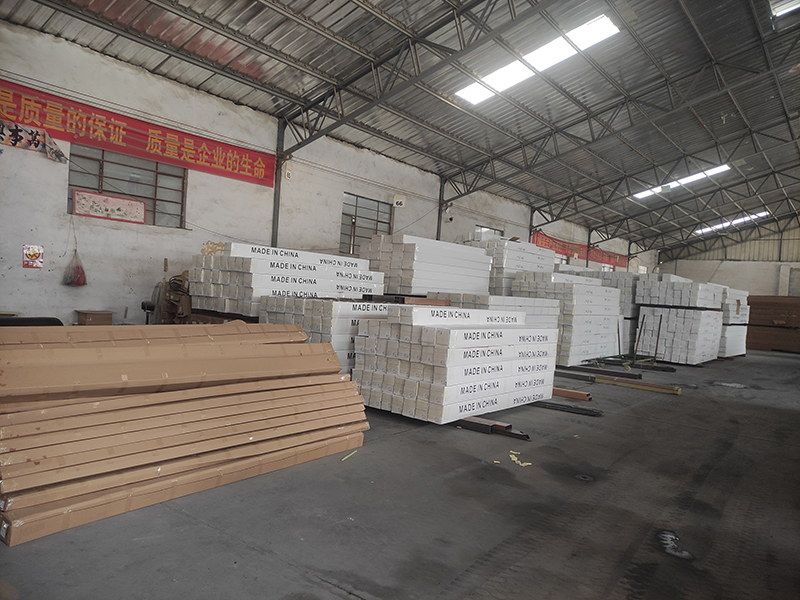
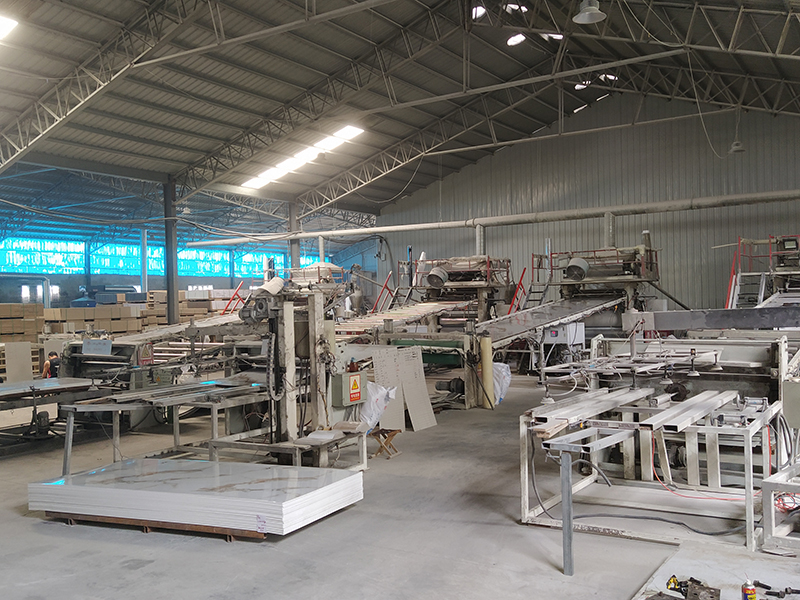
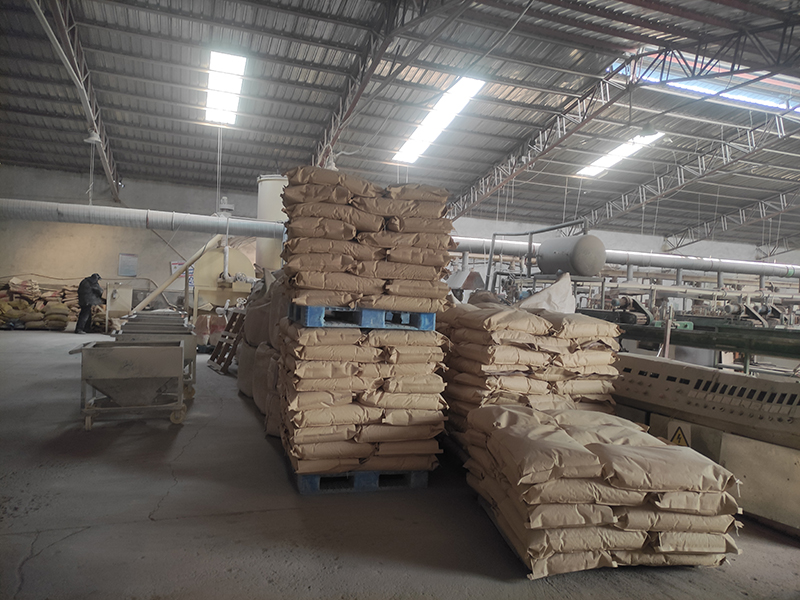
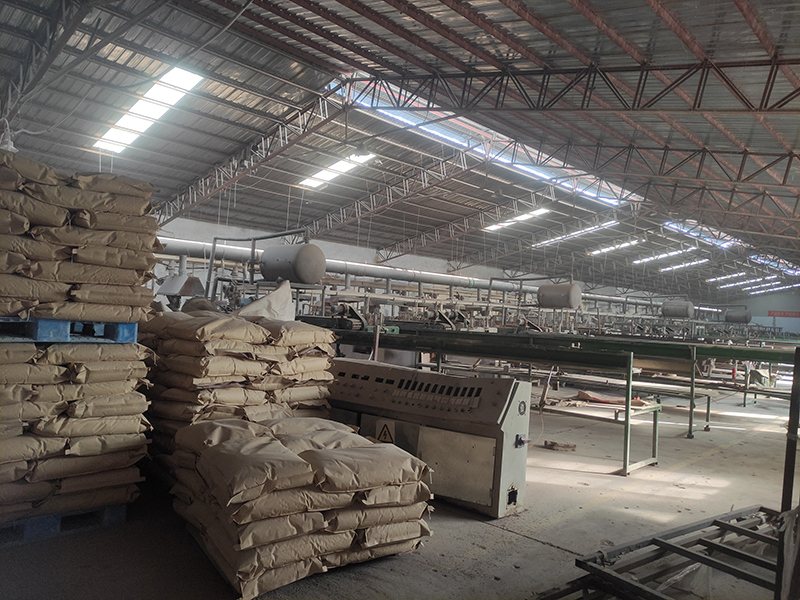
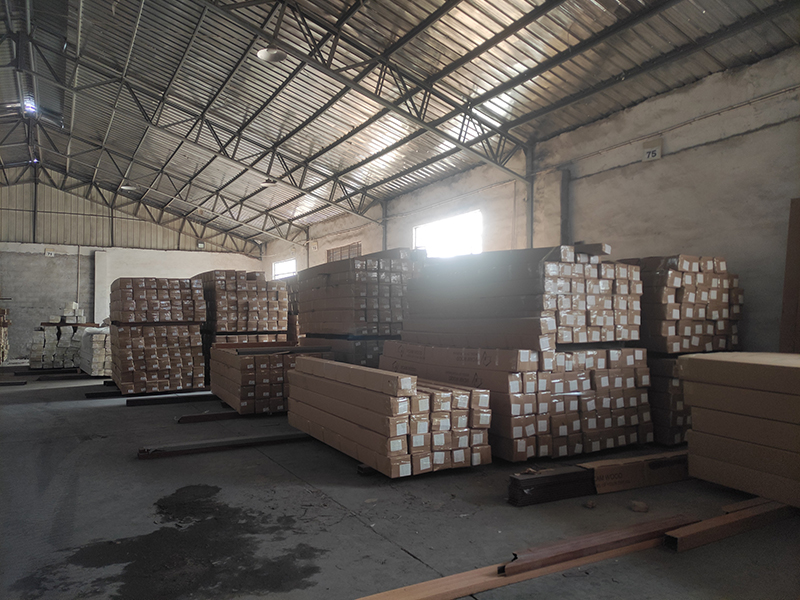
We are more than a manufacturer; we are an engineering partner. Our advanced automated WPC production lines ensure consistent mechanical properties, precise profiles, and custom dimensions. By combining high-grade recycled hardwood fibers with high-density polyethylene (HDPE) and eco-friendly additives, we deliver materials that stand the test of time, weather, and heavy usage.
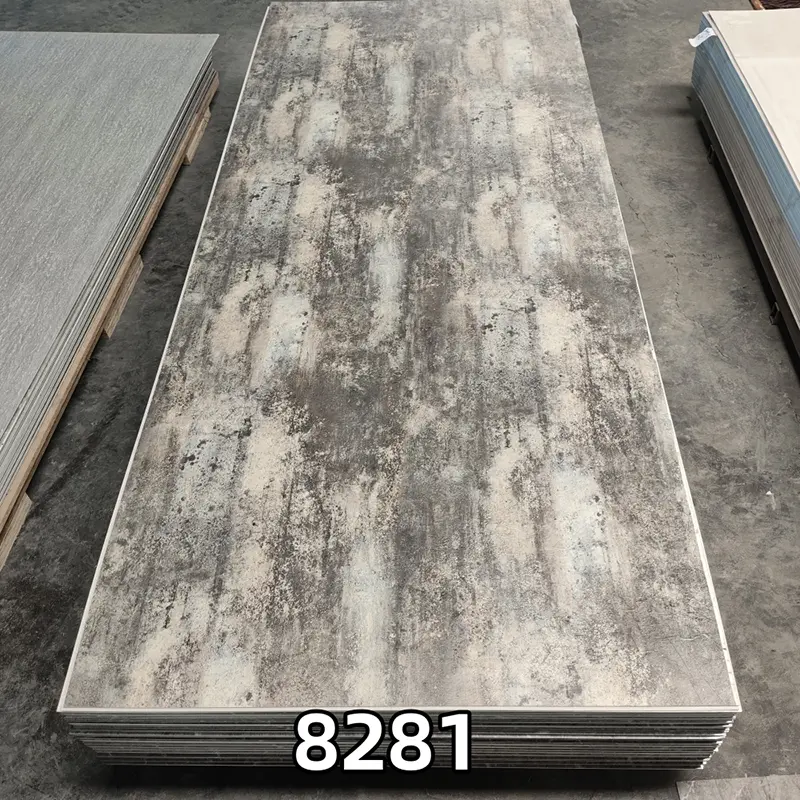
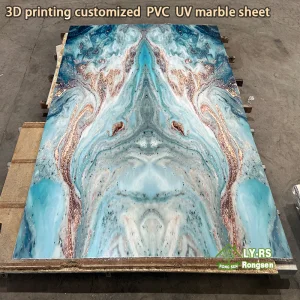
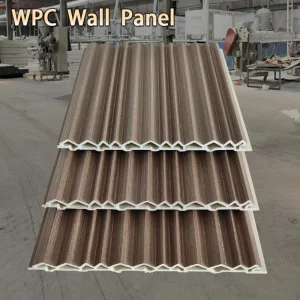
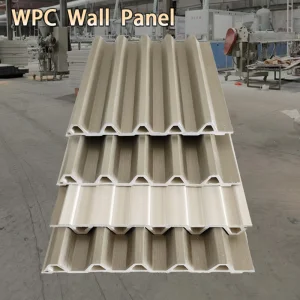
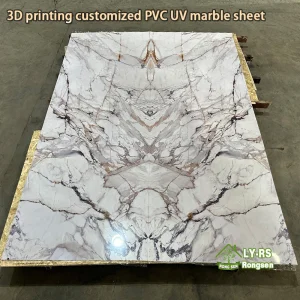
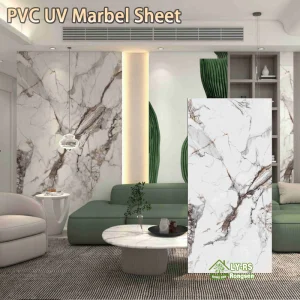
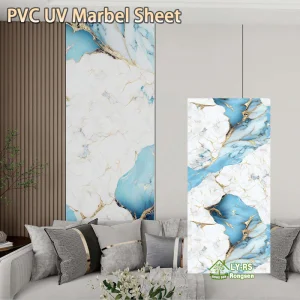
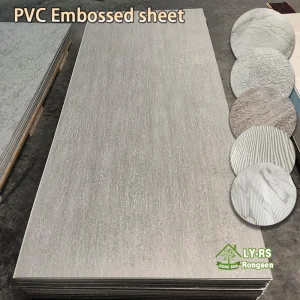
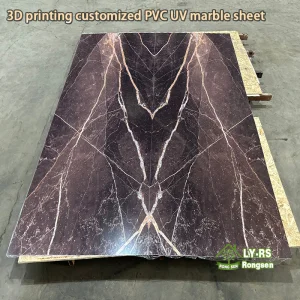
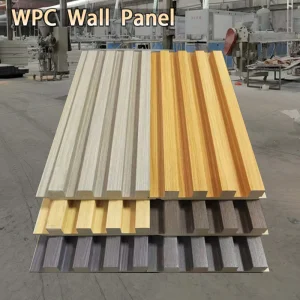
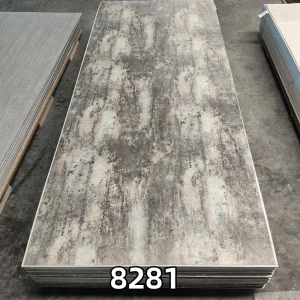
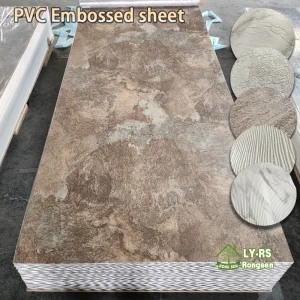
Our core specialty is the production and sale of decorative materials, including PVC UV marble panels, PVC embossed panels, 3D printed backdrops, PS wall panels, WPC wall panels, PU stone wall panels, and premium outdoor decking.
At Linyi Rongsen, these principles are our guiding stars. We are unwavering in our commitment to ethical business practices and rigorous quality control protocols across all lines.
Our deep understanding of international shipping regulations, customs clearance at Mombasa, and compliance certifications makes importing seamless for Kenyan developers.
How our composite materials outperform traditional building materials under harsh, tropical outdoor exposure.
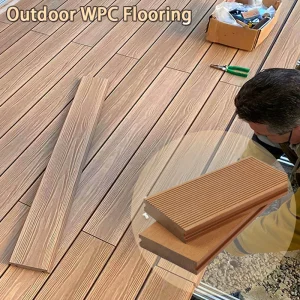
Our premium decking utilizes advanced Co-Extrusion technology, covering the core composite profile in a 360-degree, high-density polyethylene polymer cap. This protective layer acts as a barrier, preventing water molecules from swelling the interior cellulose fibers and offering supreme resistance against oil stains, grease, and high-foot-traffic abrasions.
Kenya experiences significant diurnal temperature variations (hot days followed by cold nights). Standard composites can warp or experience structural pull-out from fastening clips under these conditions. Linyi Rongsen designs engineered internal void matrices—such as our round-hole and square-hole profiles—to distribute thermal stress evenly throughout the board, ensuring the decking line remains perfectly straight year after year.
A comprehensive selection of WPC decking, architectural trim, PVC marble cladding, and lightweight PS wall panels, all engineered for immediate export to East African markets.
In global trade, physical supply chain resilience determines project success. For commercial builders and importers in Kenya, delays in construction schedules due to material supply interruptions are financially catastrophic. Linyi Rongsen has established an optimization network that guarantees material dispatch, custom fabrication, and container shipping efficiency.
Linyi's geographic proximity to the Port of Qingdao allows us to preload containerized cargo and book direct shipping routes with global freight alliances (such as Maersk, COSCO, and MSC). This direct route lands container shipments directly at the Port of Mombasa (Kilindini Harbour) with a typical maritime travel time of 22 to 30 days. Our logistics desk coordinates all shipping documentation, Bill of Lading generation, and packing manifests, enabling swift custom clearance under the KRA (Kenya Revenue Authority) Single Window system.
Once cleared at Mombasa, our transport coordination desk helps plan rail transit along the Standard Gauge Railway (SGR) to Inland Container Depots (ICD) in Nairobi and Naivasha. By using SGR freight corridors, we reduce domestic overland transportation damage risk and transport costs compared to traditional road trucking through the Mombasa-Nairobi Highway.
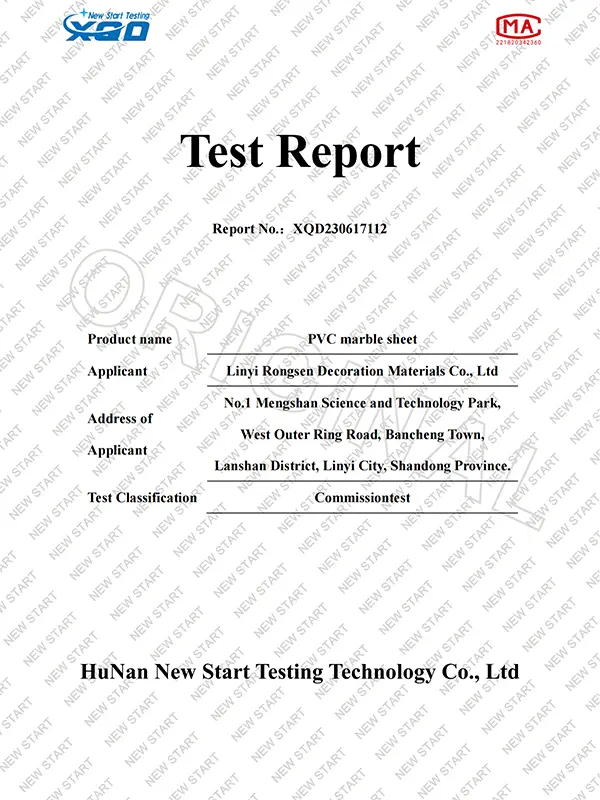
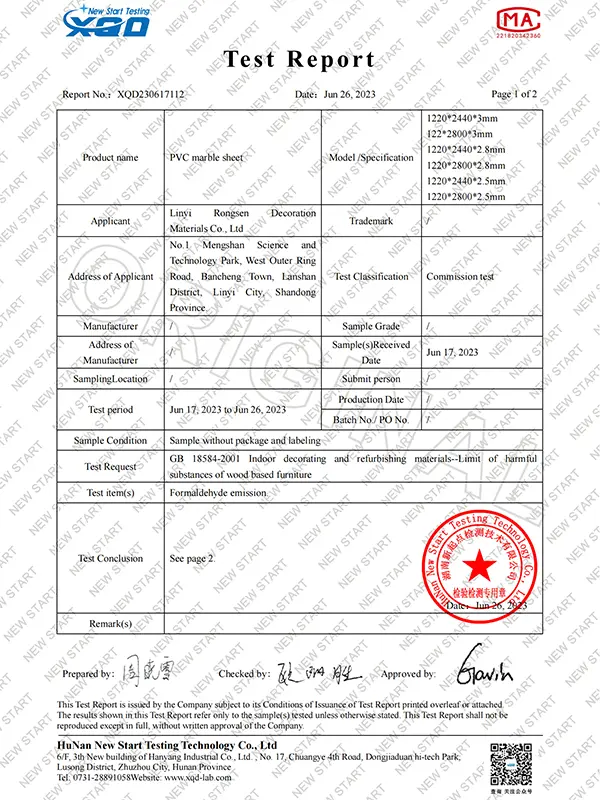
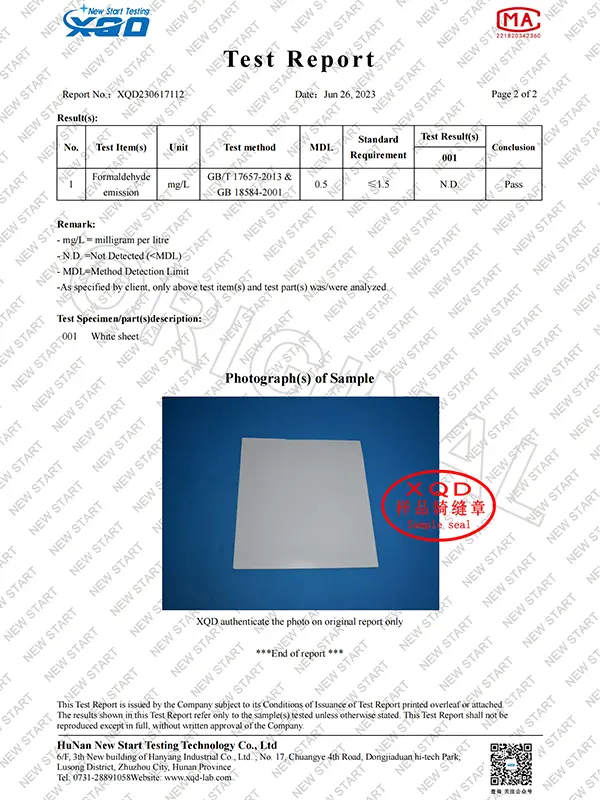
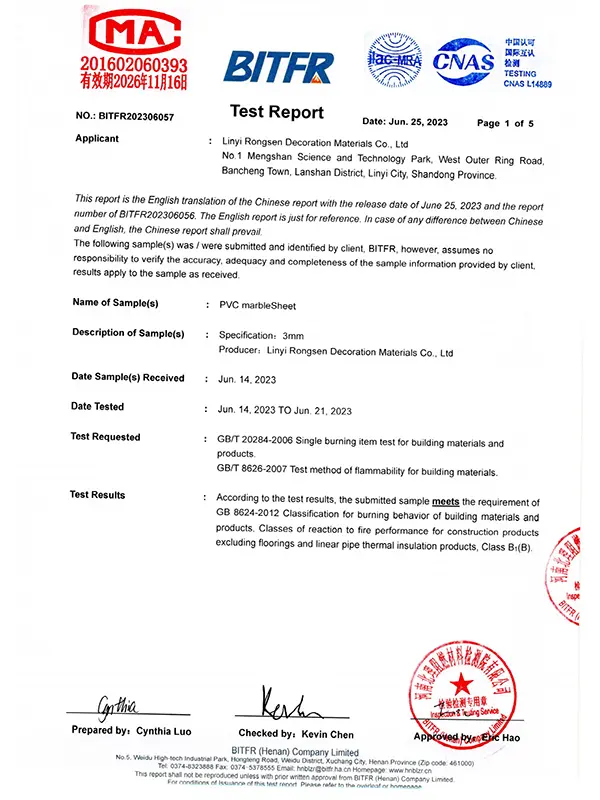
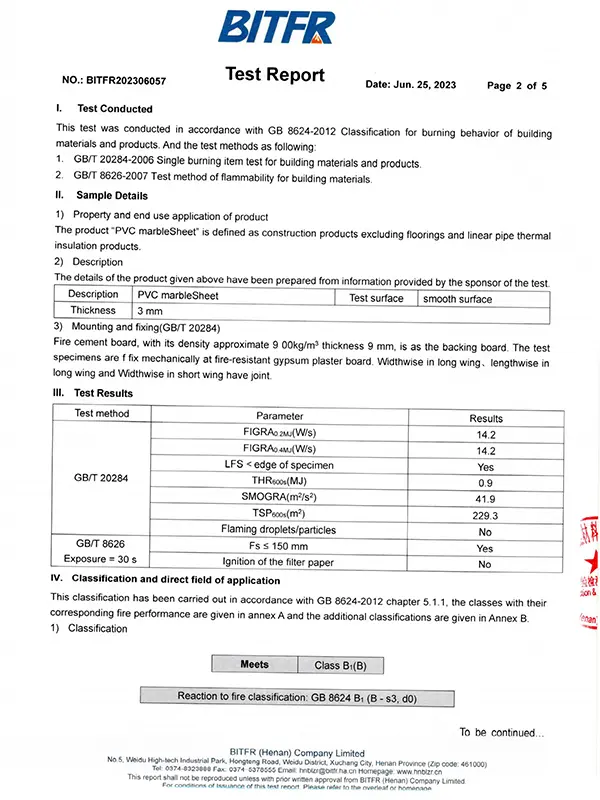
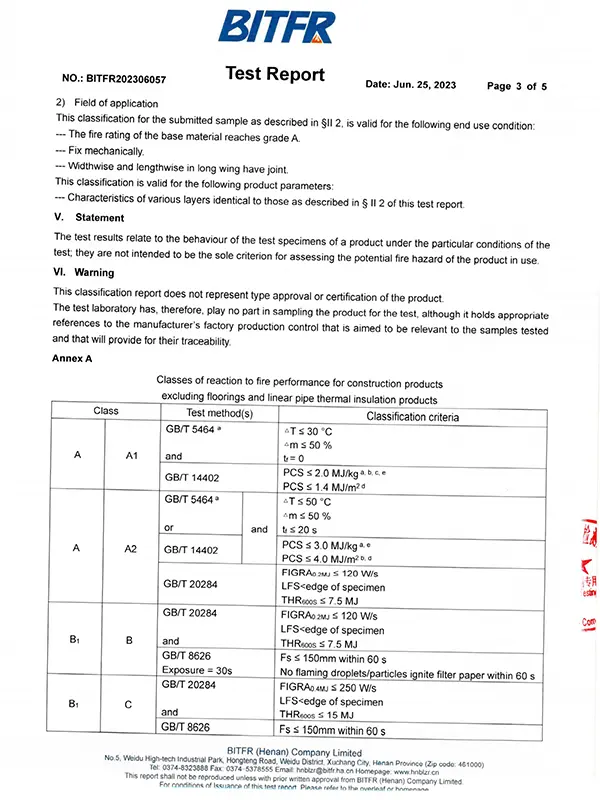
Every product batch is systematically cross-inspected before dispatch. Linyi Rongsen holds multiple international certificates, complying with ISO9001 and ISO14001 guidelines to guarantee that architectural materials arriving in East Africa meet standard building safety norms.
To maximize the lifetime value of your outdoor composite boards, proper structural installation is essential. We recommend that contractors, architects, and civil engineering companies in East Africa follow these guidelines to account for local climatic variables.
Never install composite decking directly onto grass, soil, or solid concrete without a joist system. We recommend maintaining a maximum center-to-center joist spacing of 300mm to 350mm for residential decks, and 250mm for heavy commercial structures. Proper ground-level cross-ventilation prevents hot, humid air from building up beneath the deck, ensuring consistent moisture equilibrium across the boards.
Due to the thermal expansion characteristics of the high-density polyethylene polymer, gap spacing must be maintained. At an installation temperature of 20°C to 30°C, typical of Nairobi daytime temperatures, leave a 5mm to 8mm expansion gap at the ends of all boards and a 3mm to 5mm gap between running boards. Failing to plan for expansion will cause warping and buckling during peak sunlight hours.
For coastal installations in Mombasa or Malindi, we recommend using galvanized steel, marine-grade aluminum, or high-density composite joists rather than soft wood sub-frames. Wet, salty air will cause soft timber structures to rot and collapse long before the composite decking itself degrades.
Important product information and ordering guidelines for importers, real estate developers, and building contractors in Kenya.
 Rongsen