Engineered for high-exposure environments in Auckland, Wellington, and Christchurch. Designed with advanced timber-polymer science to withstand the harshest UV ratings.
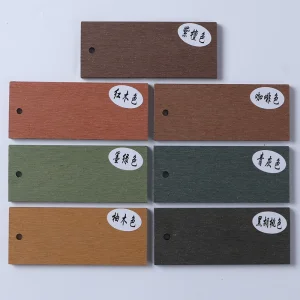
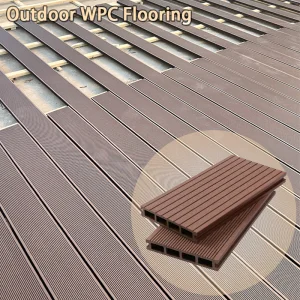
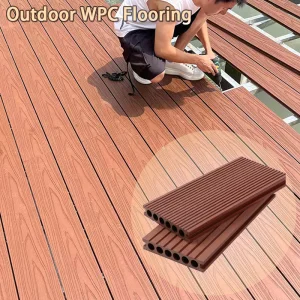
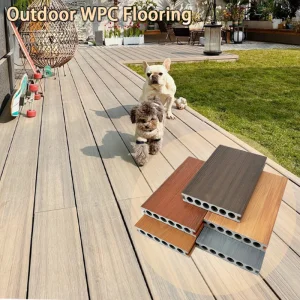
New Zealand’s architectural and construction landscapes present uniquely extreme atmospheric challenges. The atmospheric ozone layer thinness over the South Pacific leads to an ultra-high UV index that accelerates the photolytic degradation of organic binders in natural timber and standard plastics. Traditional building timbers, such as chemically-treated Radiata Pine (H3.2/H4) or imported tropical hardwoods like Kwila, face ongoing issues including chemical leaching, rot, and severe dimensional instability under rapid weather shifts.
WPC (Wood-Plastic Composite) architectural profiles have transitioned from a premium alternative to an essential specifier resource. Regulatory compliance with the New Zealand Building Code (NZBC), specifically Clause B2 (Durability), Clause F2 (Hazardous Building Materials), and Clause D1 (Access Routes - slip resistance), dictates that any outdoor flooring material must maintain structural integrity, low toxicological impact, and safety under wet conditions for a minimum lifecycle of 15 years.
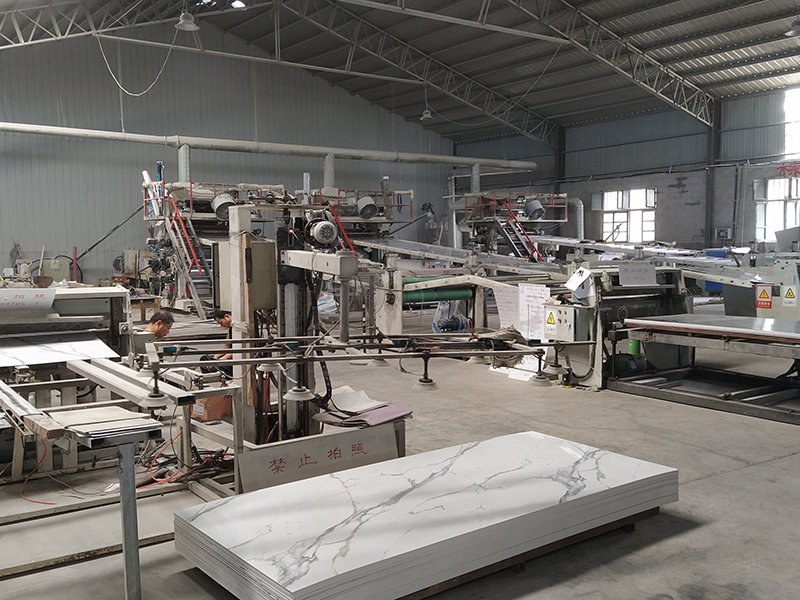
To withstand NZ's micro-climates, from sub-zero freeze-thaw cycles in Queenstown to subtropical humidity in Northland, Linyi Rongsen engineered decking employs a specialized formulation.
| Performance Metric | Traditional Treated Pine (H3.2) | Imported Hardwood (Kwila) | Rongsen Co-Extruded WPC | NZBC Compliance Standard |
|---|---|---|---|---|
| Service Lifespan | 5 - 8 Years (typical warping) | 10 - 15 Years (requires staining) | 25+ Years (Maintenance-Free) | Clause B2 (15 Years structural) |
| Slip Resistance Rating | R8 - R9 (Variable with moss growth) | R9 - R10 (Very slick when wet) | R11 / P5 (Co-extruded micro-texture) | Clause D1 (Access slip resistance) |
| Chemical Leaching | High (Copper, Chrome, Arsenic - CCA) | High Tannin bleeding (stains concrete) | Zero VOC & Inorganic Emission | Clause F2 (Hazardous substances) |
| UV Stability | Rapid cracking / graying within 1 year | Fades without oiling; high cracking risk | Engineered UV Stabilizers < Delta E 3.0 | Durability requirements under extreme UV |
| Moisture Absorption | High (25% - 40% saturation warp) | Moderate (15% - 20% wood checking) | < 0.5% (Impervious outer shield) | Resistant to mold, rot & decay |
Infused with Hindered Amine Light Stabilizers (HALS) that chemically bind to the high-density polyethylene chains, preventing chain scission caused by heavy solar radiation.
Controls expansion and contraction down to < 1.5mm per linear meter, preventing buckling under temperatures ranging from -10°C to +40°C.
A dual-layer capping technology that encapsulates the core wood-fiber matrix in a modified polyolefin shell, creating an impervious barrier against moisture and scratches.
From Linyi, Shandong, China to the ports of Auckland, Lyttelton, and Tauranga, Linyi Rongsen Decoration Material Co., Ltd. provides direct commercial supply chain security.
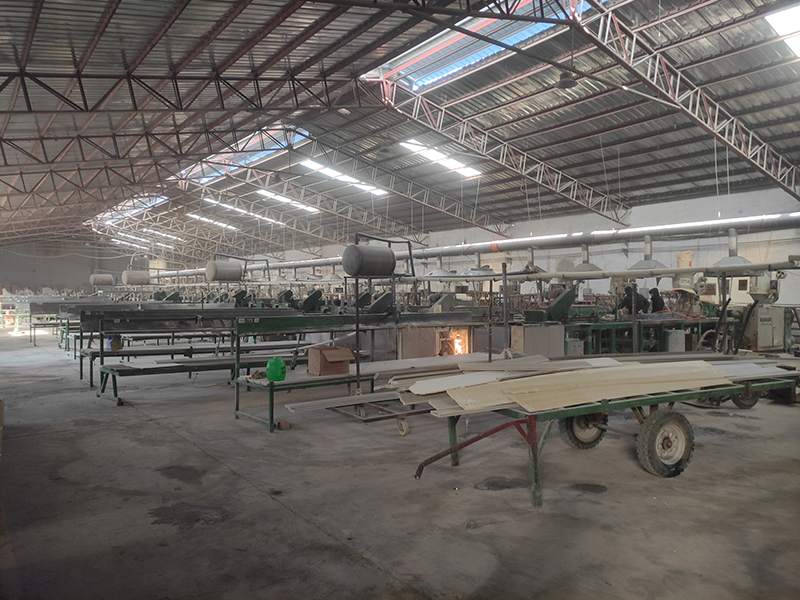
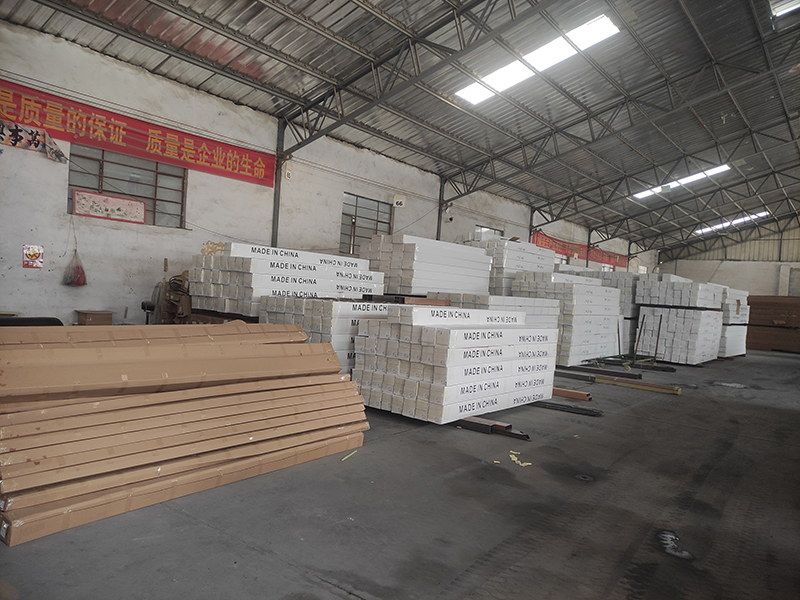
Strategically situated in Linyi, the "Logistics Capital of China," we leverage optimized overland freight corridors directly connecting to major shipping terminals in Qingdao and Lianyungang. This spatial and structural advantage allows us to offer 30% faster manufacturing-to-port turnaround times. We streamline the international trade cycle, providing seamless customs documentation, robust container packing, and real-time tracking for peace of mind.
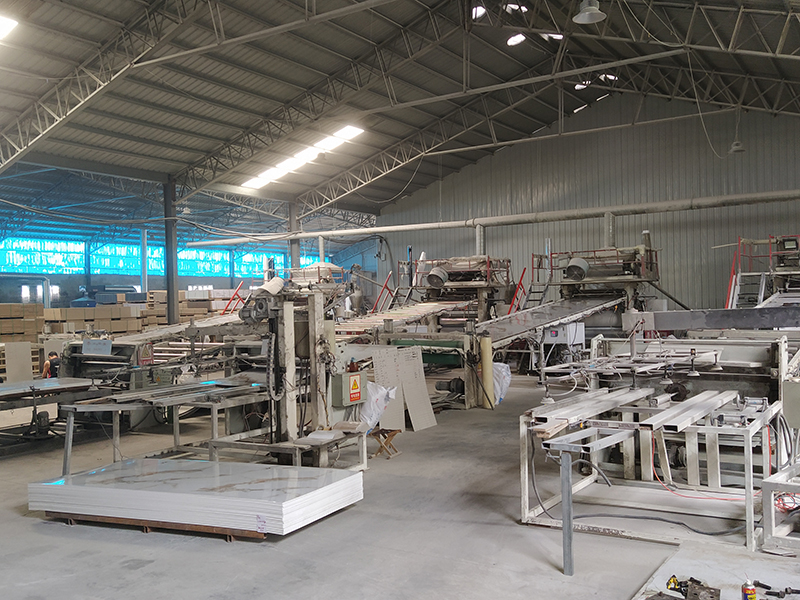
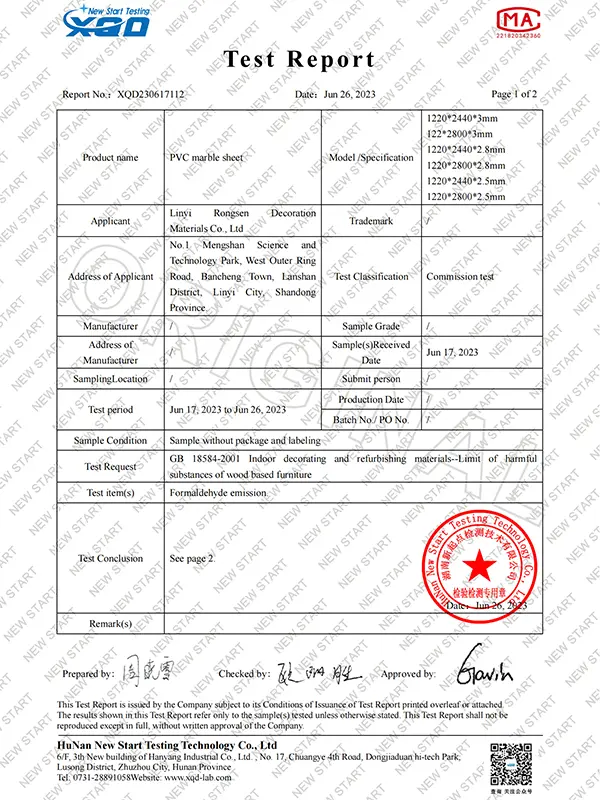
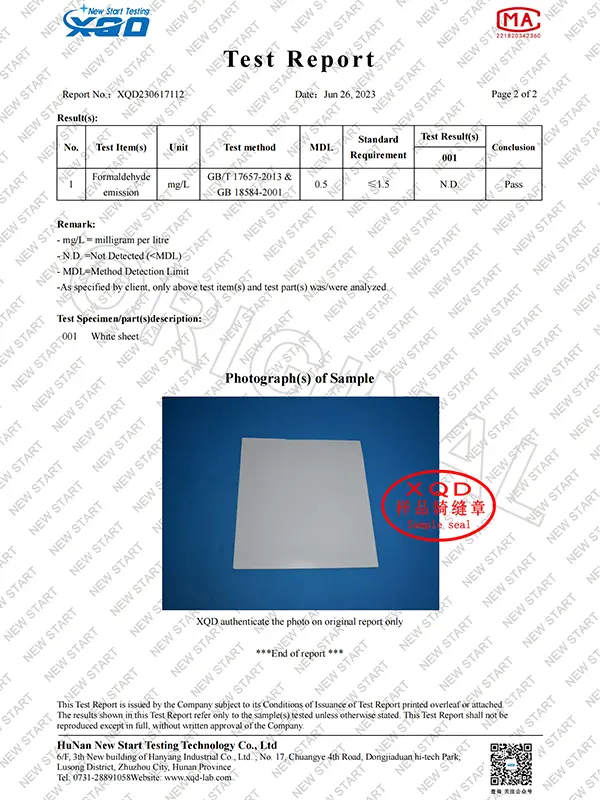
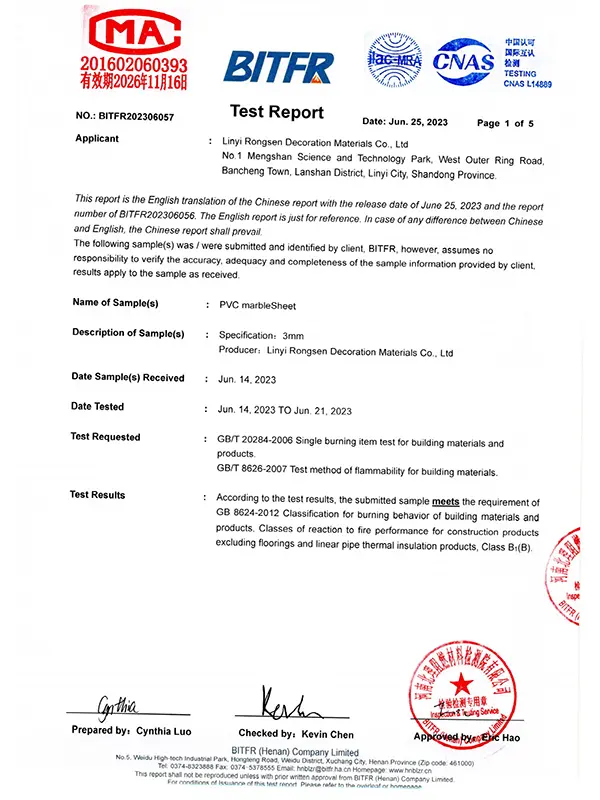
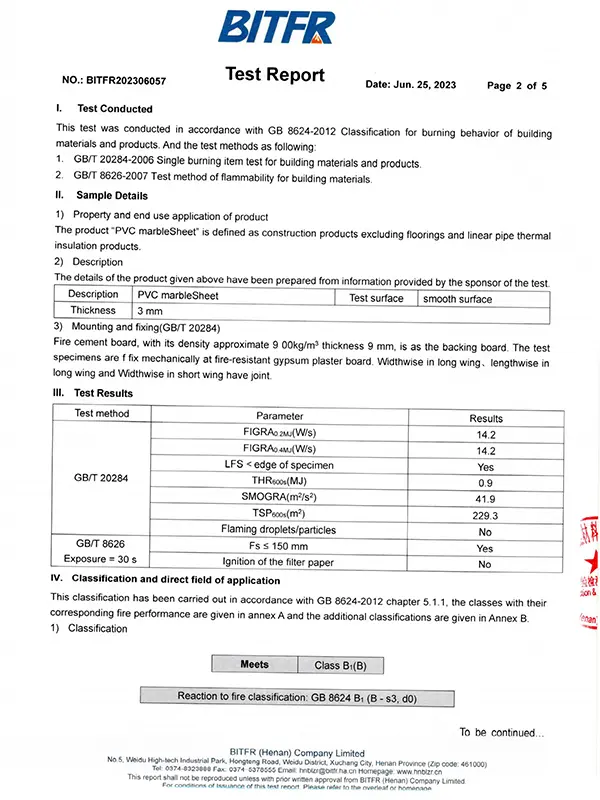
We believe in two fundamental principles: integrity and quality. These are not just concepts, but the operational benchmarks of our company. With strict control measures from raw chemical formulation to post-extrusion cooling, our products achieve absolute structural density uniformity. Our materials comply with rigorous testing regimes, validating our commitment to environmental responsibility and public safety.
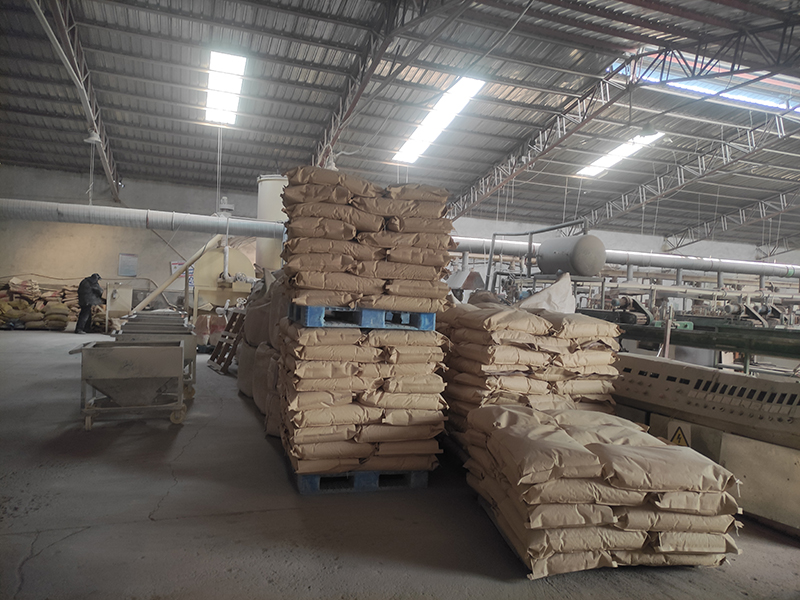
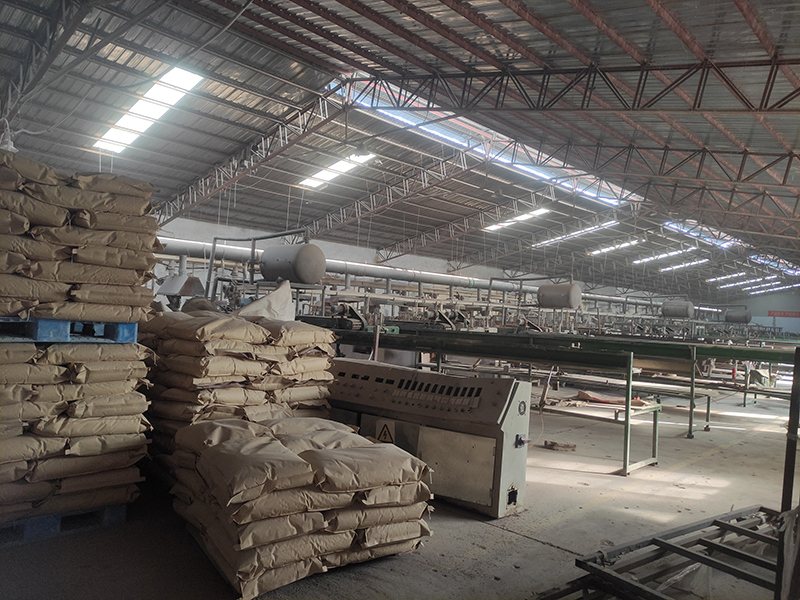
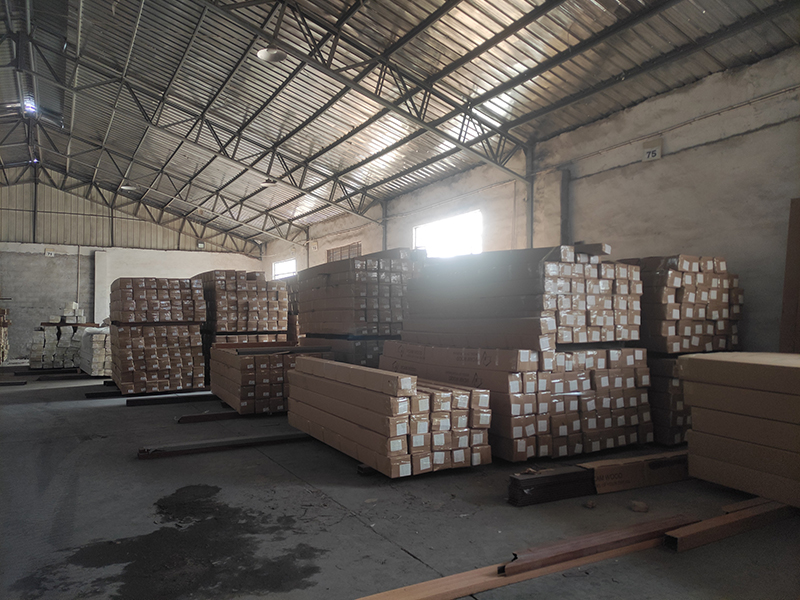
How architects, designers, and developers utilize our composite systems to solve real-world installation challenges across the North and South Islands.
Auckland’s climate features high humidity combined with heavy seasonal downpours. Conventional timber decking absorbs environmental moisture, leading to structural rot and mold colonization. Rongsen's co-extruded boards feature a non-porous outer shell that eliminates mold growth, reducing maintenance costs to simple water washes, with no staining required.
Wellington projects face constant salt spray, heavy winds, and high foot traffic. Public walkways require slip-resistant systems. Our R11-rated circular and square hole composite planks maintain slip resistance even under heavy rain, while resisting salt crystallization and degradation.
In alpine regions like Otago, winter snow buildup followed by warm sun causes rapid freeze-thaw cycles that crack standard wood planks. Our polymer composite core features a low thermal expansion coefficient and high structural elasticity, allowing boards to contract and expand without cracking.
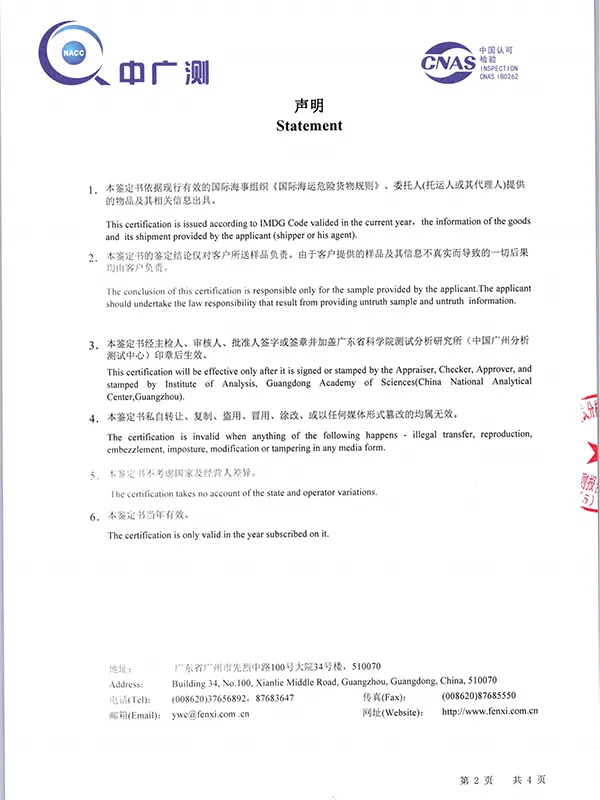
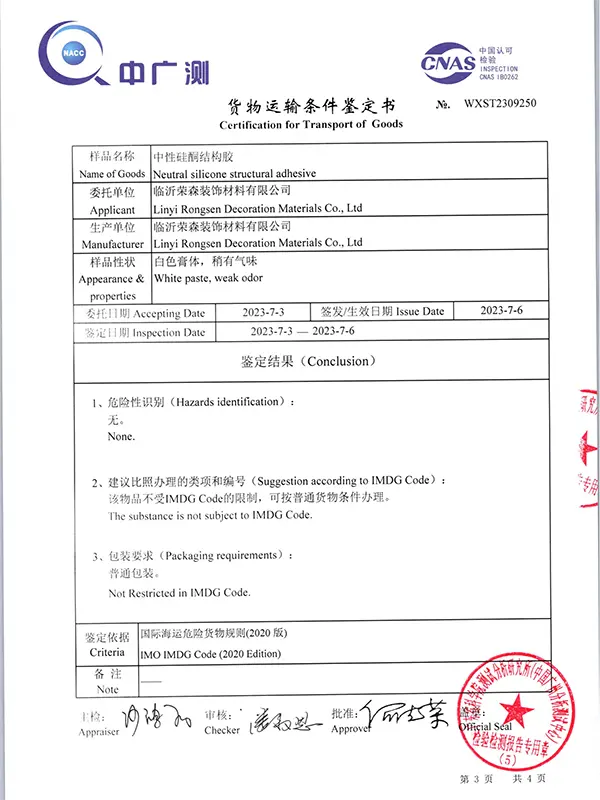
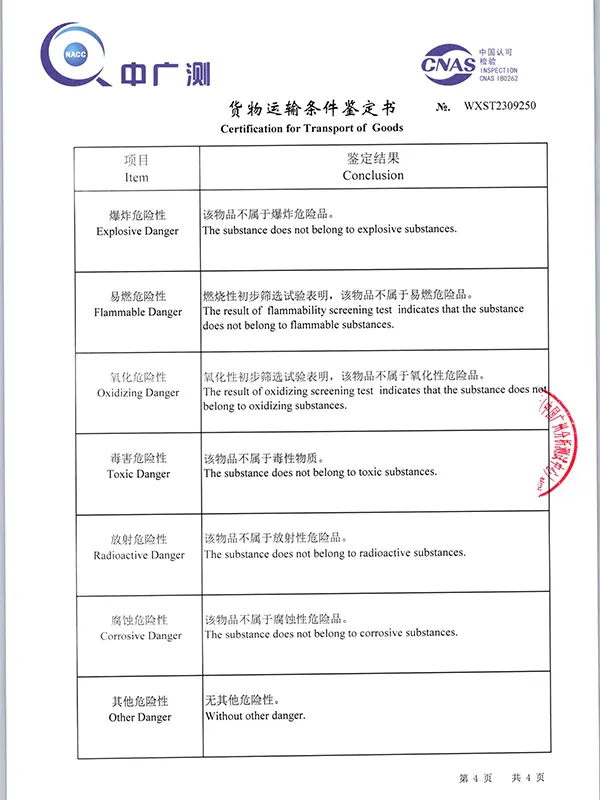
Our commitment to quality control is verified by international standards boards. We provide complete test data sheets for structural imports.
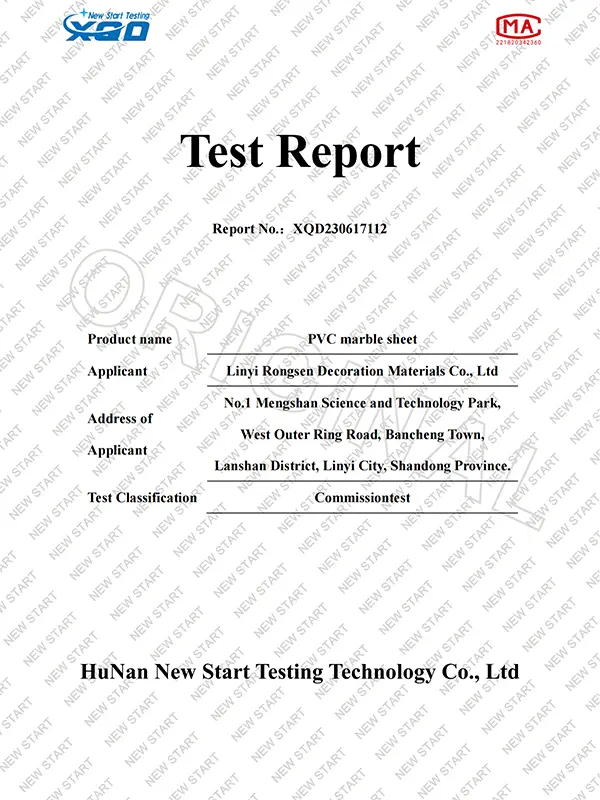
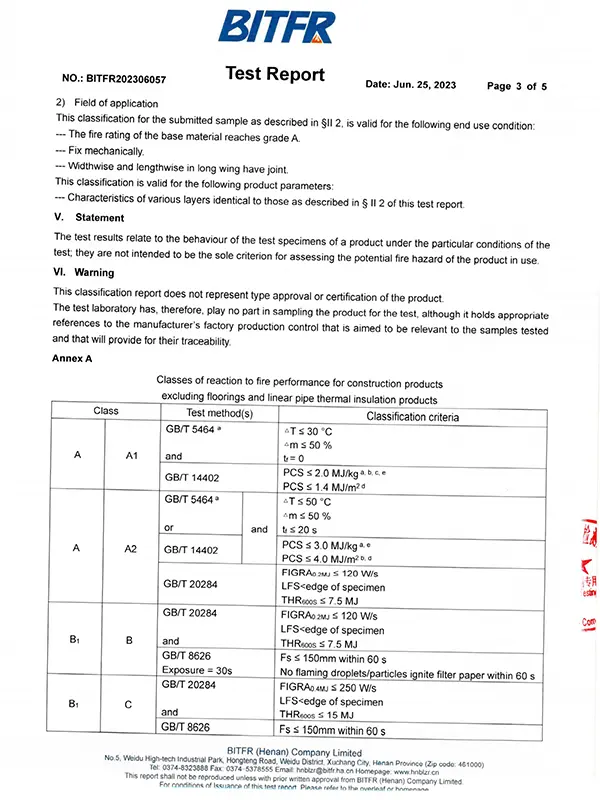
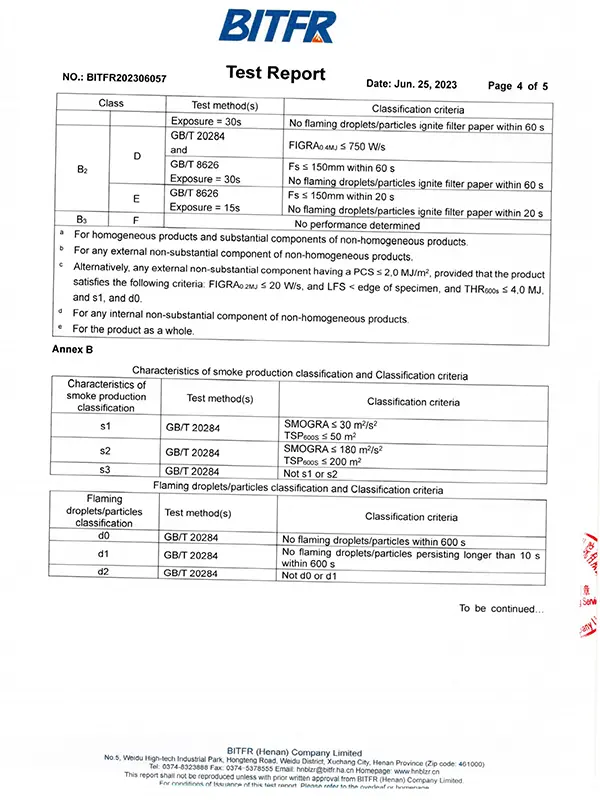
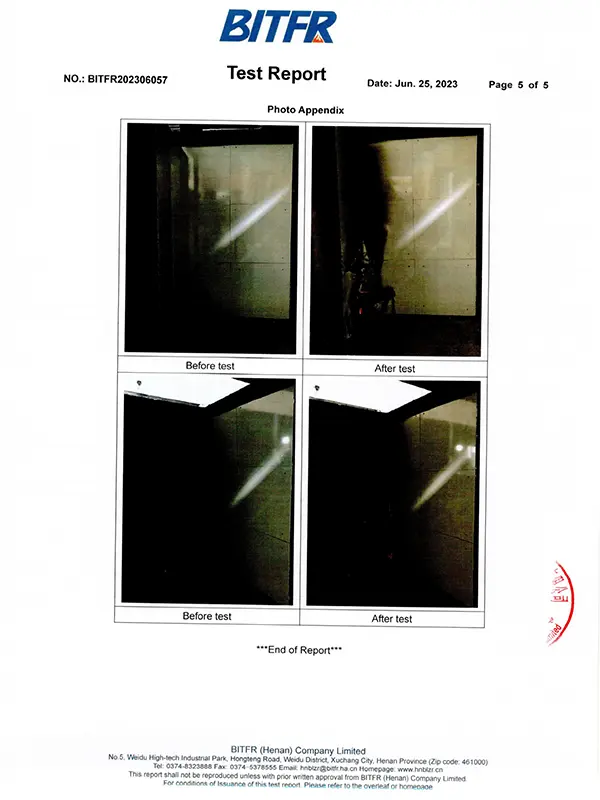
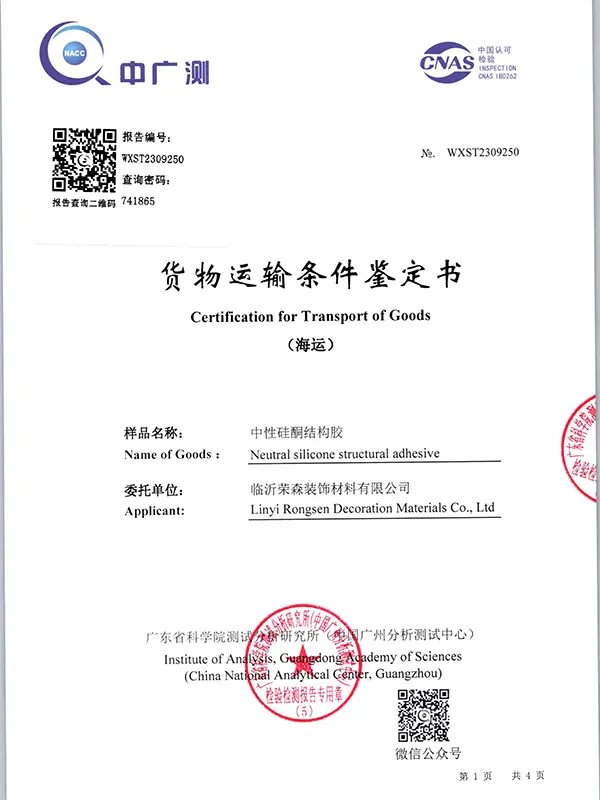
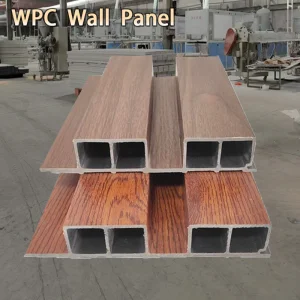
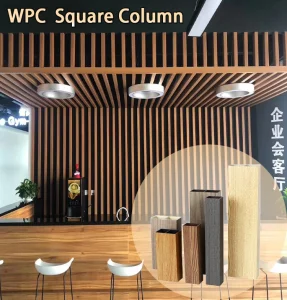
From primary ground decking to waterproof external claddings, we supply complete system solutions for commercial fit-outs and developments in New Zealand.
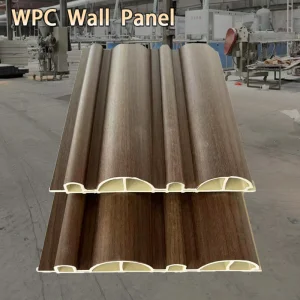
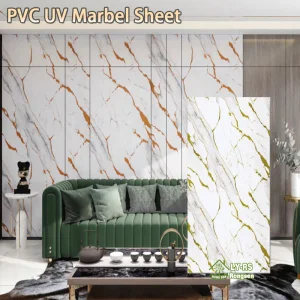
Key answers regarding compliance, shipping logistics, custom sizes, and installation specifications for builders and architectural specifiers.
We supply free engineering sample kits and comprehensive testing documentation directly to architects, builders, and volume importers in Auckland, Wellington, and Christchurch.
Send Inquiry Now+86 17861612516
+86 19715396916
200 meters east of the intersection of Jinluo 4th Road and Xincheng 2nd Road in Jinluo Industrial Park, Bancheng Town, Lanshan District, Linyi City, Shandong Province, China
 Rongsen