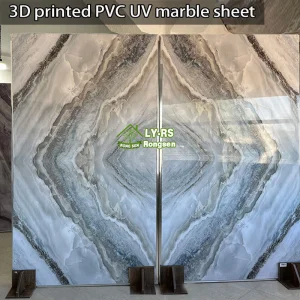
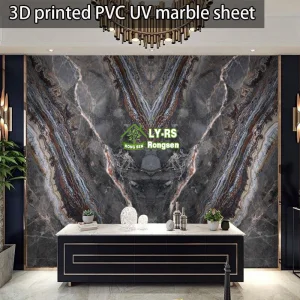
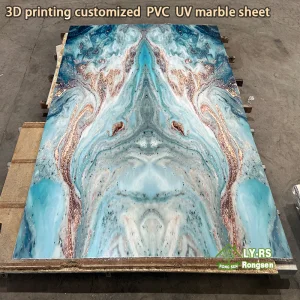
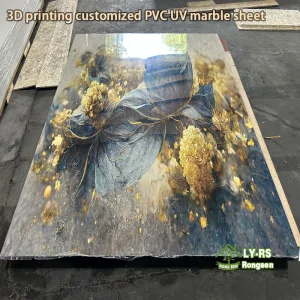
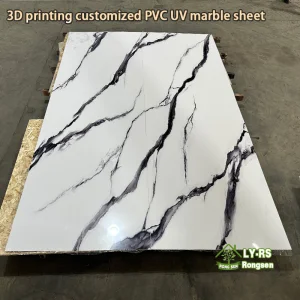
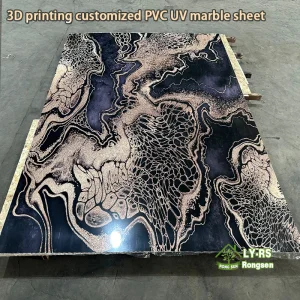
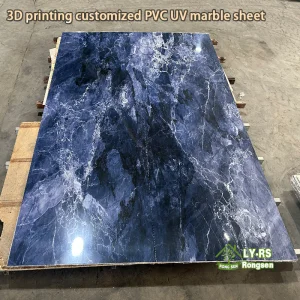
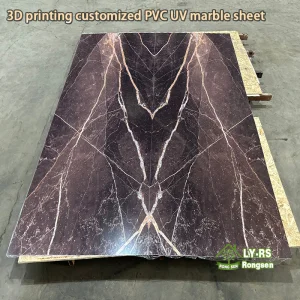
Direct Factory Supply Optimized for High-End Commercial Complexes and High-Density Residential Spaces
Tokyo's construction and interior design sectors are undergoing an unprecedented transformation. Driven by structural renewals in commercial districts like Shibuya, Minato, and Shinjuku, along with the redevelopment of landmark metropolitan office skyscrapers, developer expectations for decorative materials are tightening. Modern projects demand materials that mitigate structural dead weight, accelerate building timelines, conform to strict environmental regulations, and deliver exceptional fire and seismic performance.
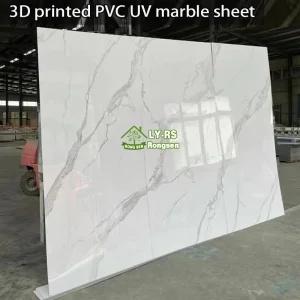
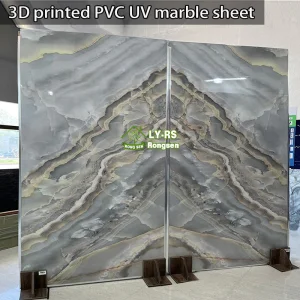
In high-density environments, natural stone installation presents significant structural challenges. Heavy marble slabs add substantial load calculations to steel-framed and reinforced concrete buildings, elevating structural risk during seismic occurrences. This is where 3D Printed PVC Marble Sheets emerge as a crucial innovation for the Tokyo architectural community. Weighing only a fraction of natural stone, these composite materials reduce dead load while matching the visual density, depth, and veining of premium marbles like Calacatta, Emperador, and Carrara through advanced industrial UV digital printing.
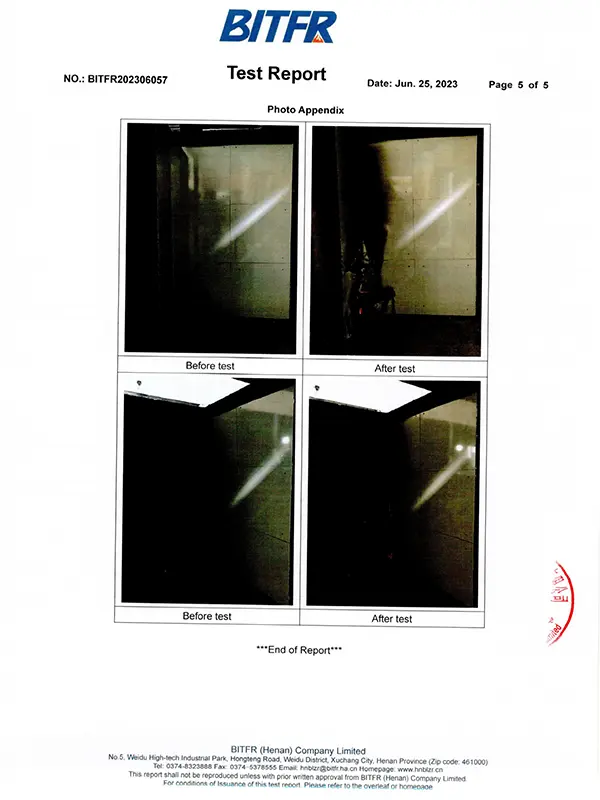
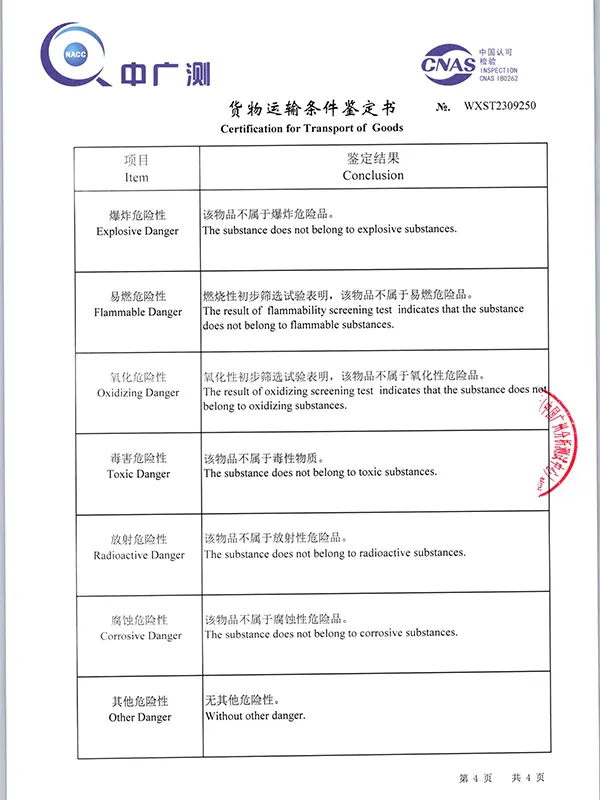
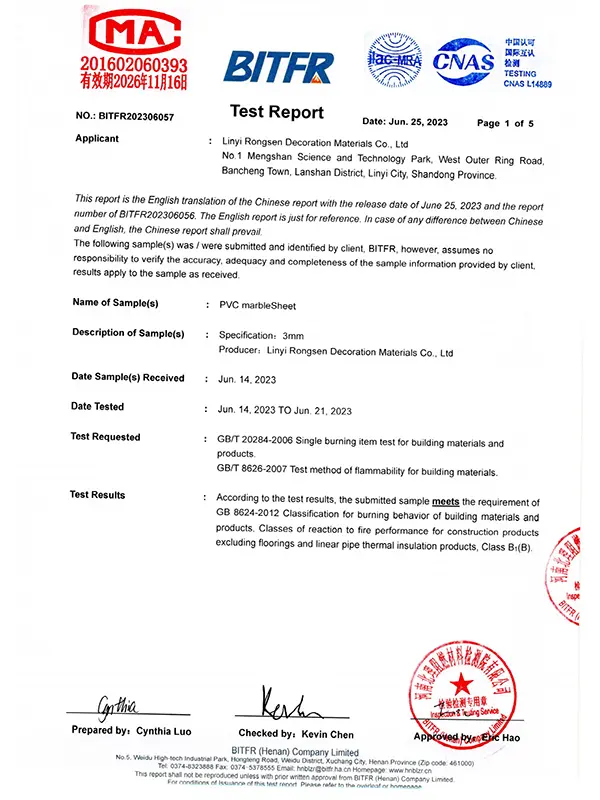
Additionally, Japanese interior projects are bound by the rigorous Building Standard Law (建築基準法). Cladding and substrate materials used in public venues, escape corridors, high-rise office towers, and luxury hospitality projects must satisfy stringent fire safety codes (Non-combustibility "不燃" and Semi-noncombustibility "準不燃" ratings). Our high-density PVC-calcium carbonate matrix (SPC) meets international fire retardancy standards (Class B1/Class A equivalent), ensuring toxic-gas suppression and self-extinguishing behavior that aligns with the safety expectations of Tokyo building contractors.
Integrating Advanced Digital Printing with China’s Prememinent Logistics and Raw Material Hub
Situated in Linyi, Shandong—recognized globally as the "Logistics Capital of China". This geographic positioning enables direct access to chemical raw materials, top-tier polymer resins, and calcium carbonate quarries, lowering material costs and providing transit to Qingdao Port.
We enforce strict raw material blending and extrusion audits. Every 3D printed panel undergoes specular glossiness checks, high-temp warp tests, and UV layer adhesion tape-tests to guarantee long-term dimensional stability under fluctuating interior climates.
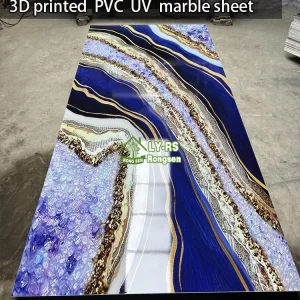
Our flatbed UV digital printers replicate complex natural patterns with spatial resolutions up to 1440 DPI. From micro-crystalline structures to gold-infused marble veins, our engineering team tailors custom prints to fit specific design briefs from architectural studios.
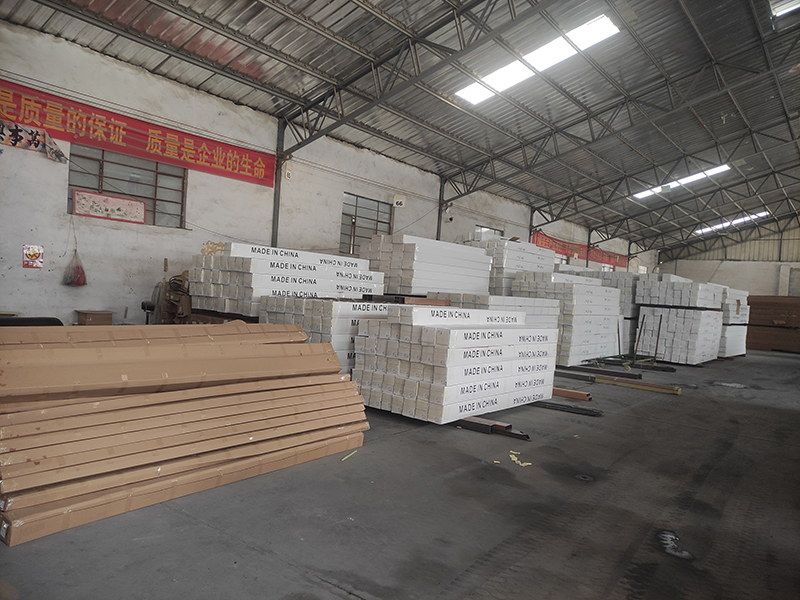
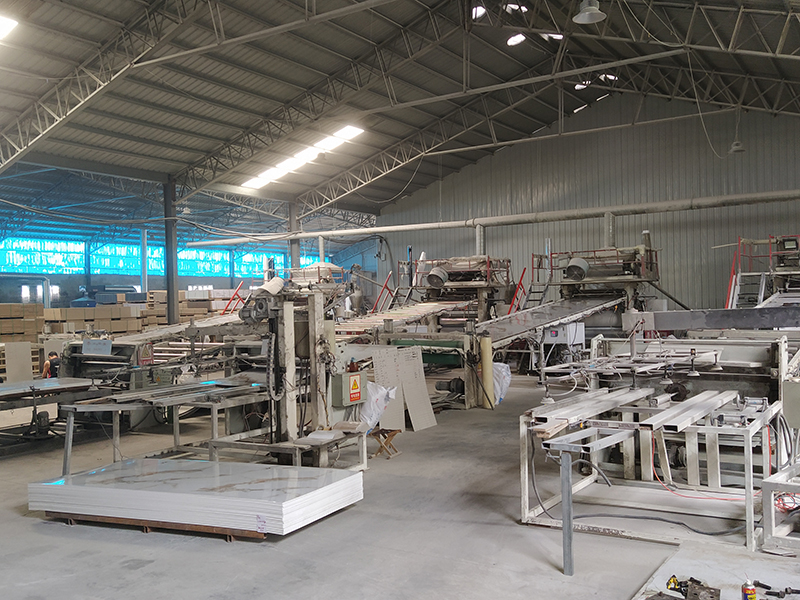
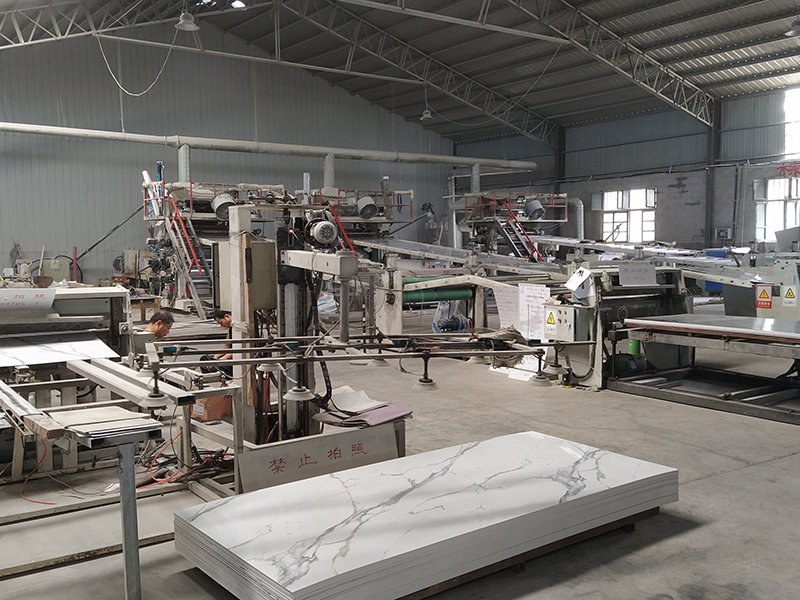
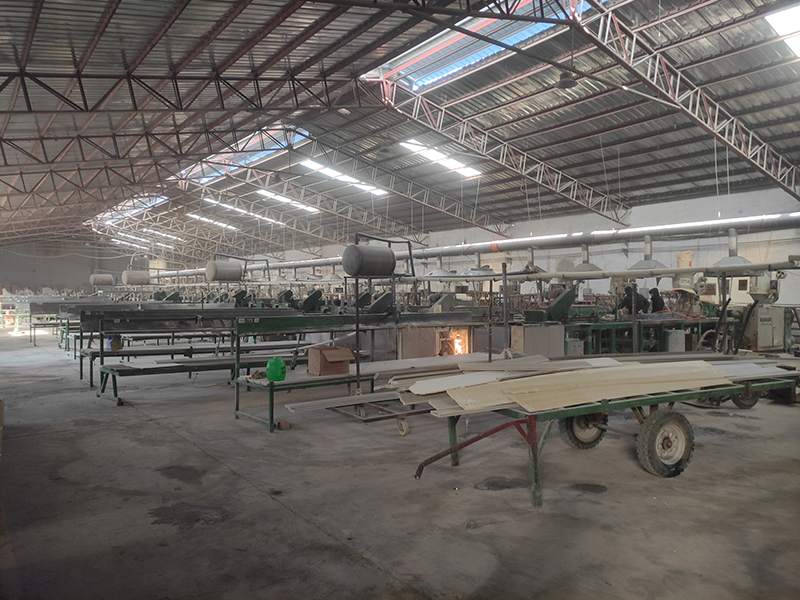
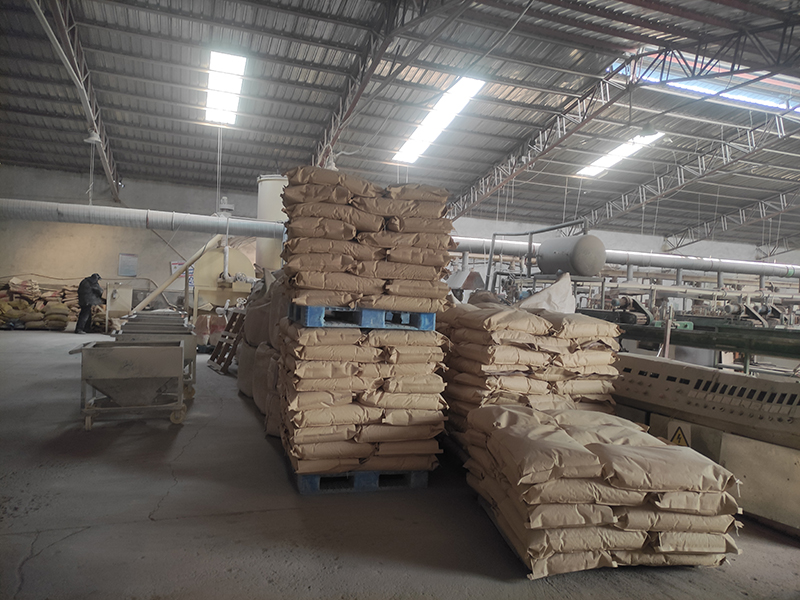
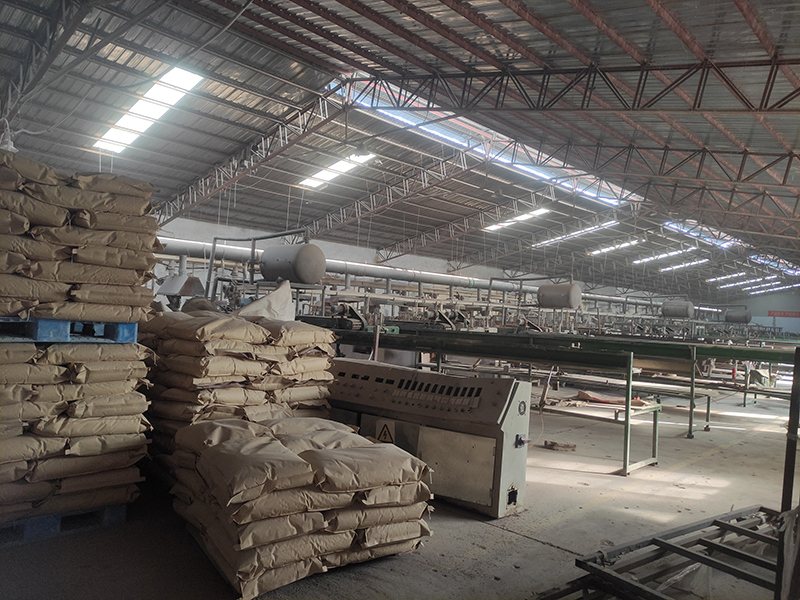
Linyi Rongsen Decoration Material Co., Ltd. blends traditional craftsmanship with advanced polymer extrusion technology. Our base boards are formulated with high-purity natural calcium carbonate powder (ca. 58-60%) and high-grade PVC resin (ca. 38-40%), modified with impact modifiers, organotin stabilizers, and lubricants. This recipe produces a dense, rigid stone-plastic composite (SPC) core with high structural modulus and zero warp tendencies.
To produce the marble surface effect, the extruded panels undergo a multi-step inline finishing process:
Accelerating Project Timelines, Reducing On-Site Labor Costs, and Promoting Green Building Certifications
The Tokyo construction market faces a persistent challenge: a shortage of skilled dry-wall installers and stone masons, coupled with rising daily labor rates (人件費). Traditional marble installation requires dynamic anchoring brackets, deep wall cutting, heavy structural reinforcement, and wet mortar compounds. This process is time-consuming, loud, messy, and requires specialized craftsmen.
Our 3D Printed PVC Marble Sheets provide a modern, dry-construction solution. Utilizing structural neutral adhesives or interlocking aluminum profile systems, these panels can be applied directly to existing plasterboards, cement boards, or even outdated ceramic tiles. A single installer can complete a large-format background wall in hours, bypassing the typical days needed for natural stone, reducing overall project labor costs by up to 60%.
With Japan's commitments to zero-emission infrastructure and circular economies, major contractors (like Kajima, Taisei, and Obayashi) are prioritizing carbon-smart materials. Natural marble quarrying has a high environmental footprint, involving energy-intensive extraction, cross-ocean shipping of raw block weights, and high material waste during slicing.
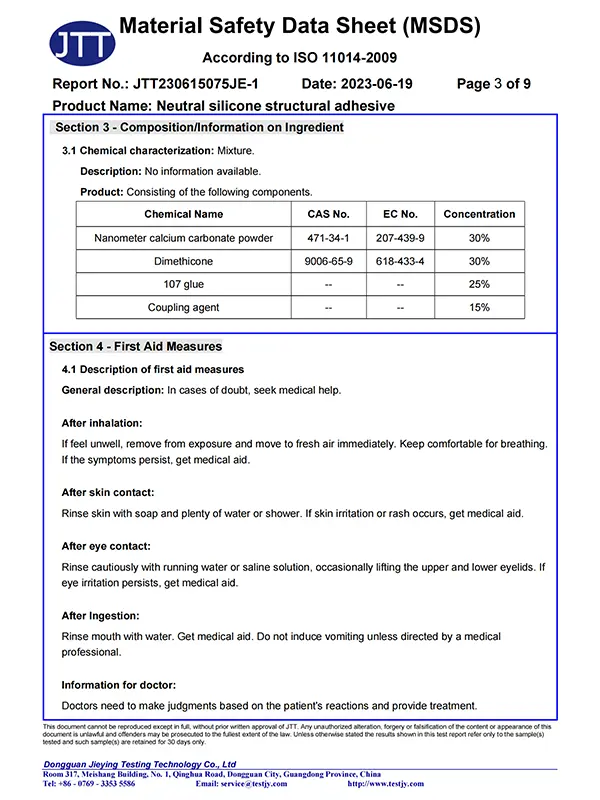
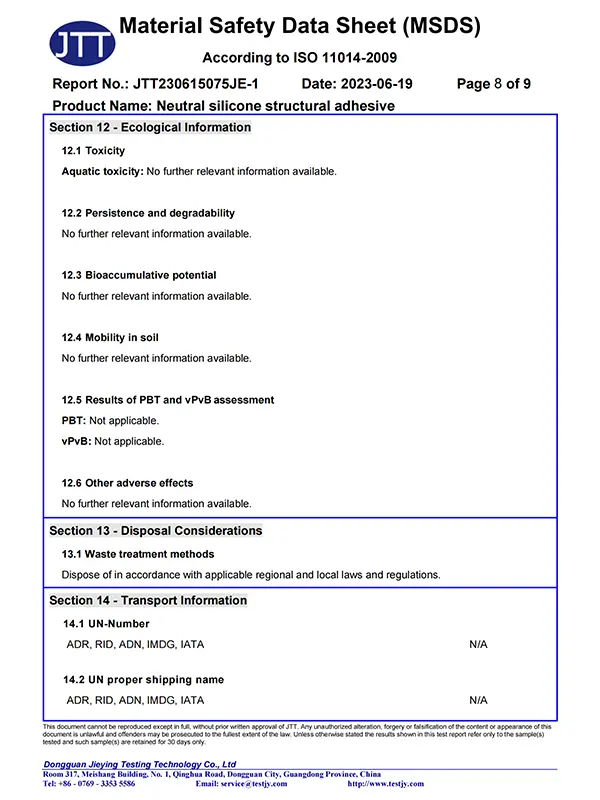
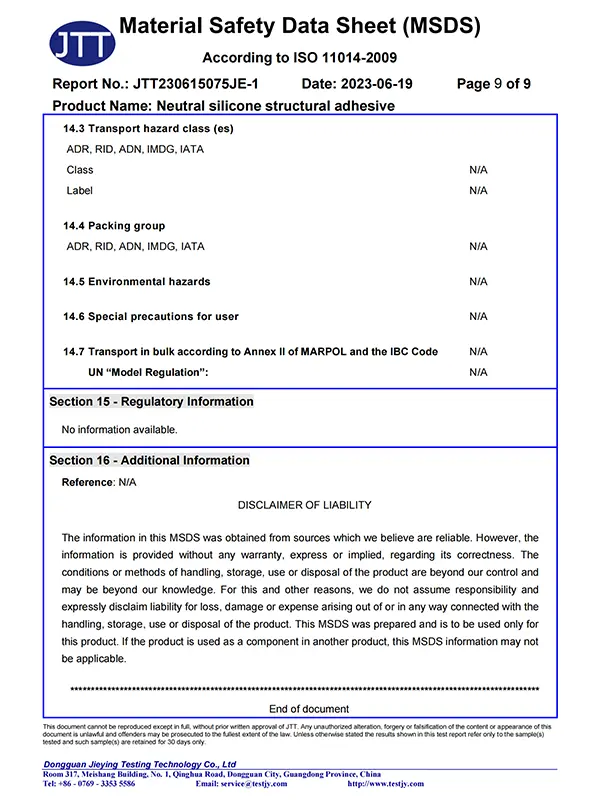
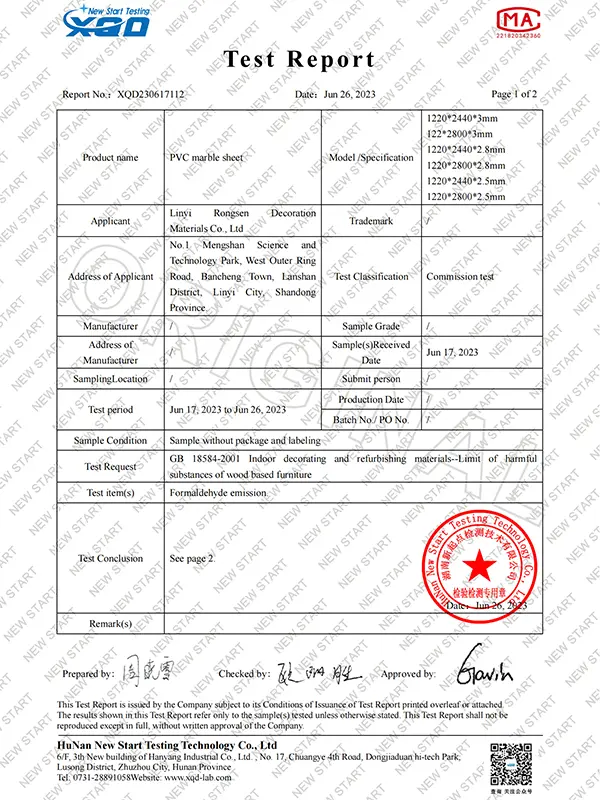
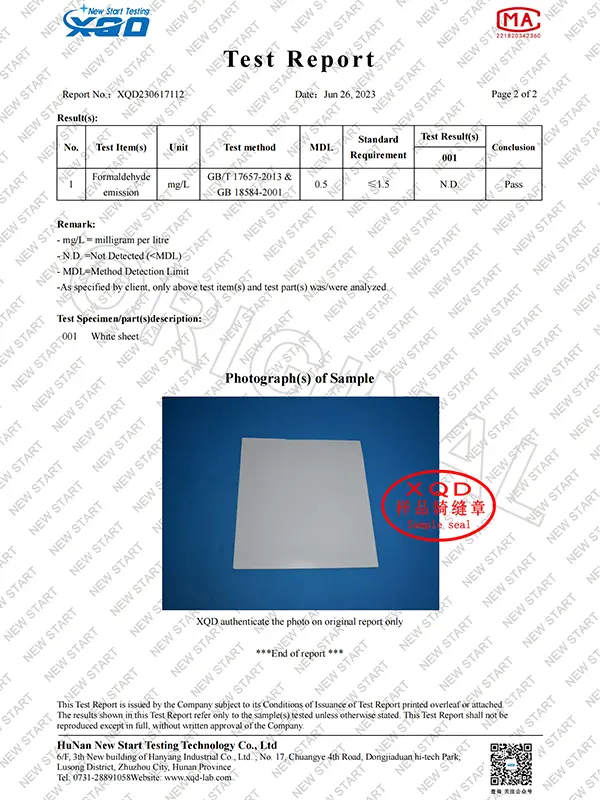
Our factory operates with a focus on resource conservation. Linyi Rongsen PVC marble sheets incorporate recycled mineral fillers and post-industrial polymers, requiring less primary energy during production. The resulting products are 100% recyclable and contain zero asbestos, plasticizers, or formaldehydes, helping developers achieve high points in environmental rating frameworks like CASBEE (Comprehensive Assessment System for Built Environment Efficiency).
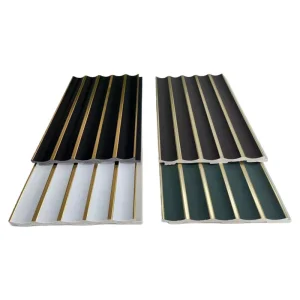
Select from Our Specialized PVC, WPC, and SPC Cladding Collections Engineered for Tokyo Distribution
Providing Value to Architects, Interior Designers, and General Contractors across Major Districts
Luxury boutiques require striking backdrop walls that can be easily updated to match seasonal retail campaigns. Our high-gloss 3D marble sheets provide premium aesthetics without the long installation times or structural loads associated with natural stone panels.
Waterproof and easy to maintain, these panels are suitable for hotel lobbies, bathroom feature walls, and dining areas. The double-cured UV layer is resistant to water exposure and chemical sanitizers, preventing microbial growth and surface damage.
Ideal for high-traffic corridors in metropolitan apartment complexes (タワーマンション). The rigid SPC substrate provides impact resistance against moving carts and luggage, keeping corridors visually appealing with minimal maintenance.
When selecting architectural cladding, cost-performance ratios must be balanced with structural performance. Below is a comparison table outlining the key differences between natural marble panels and our 3D printed PVC marble alternatives:
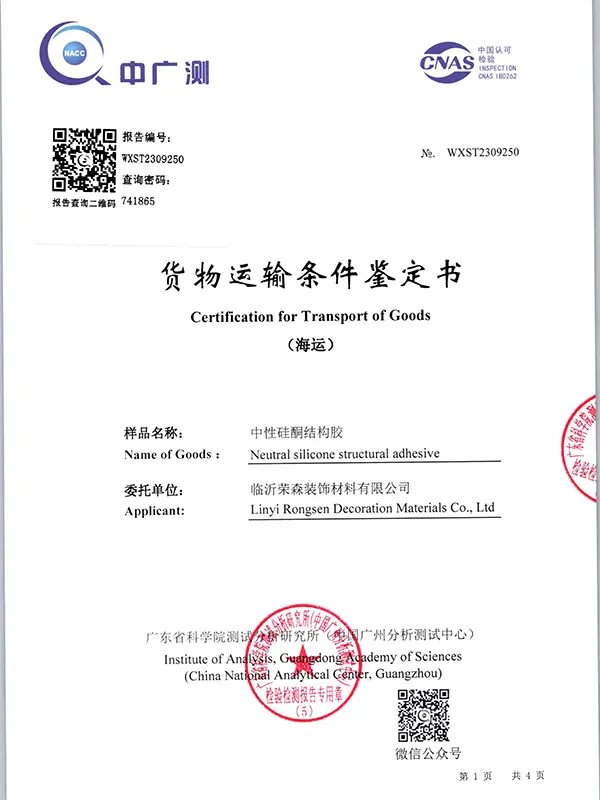
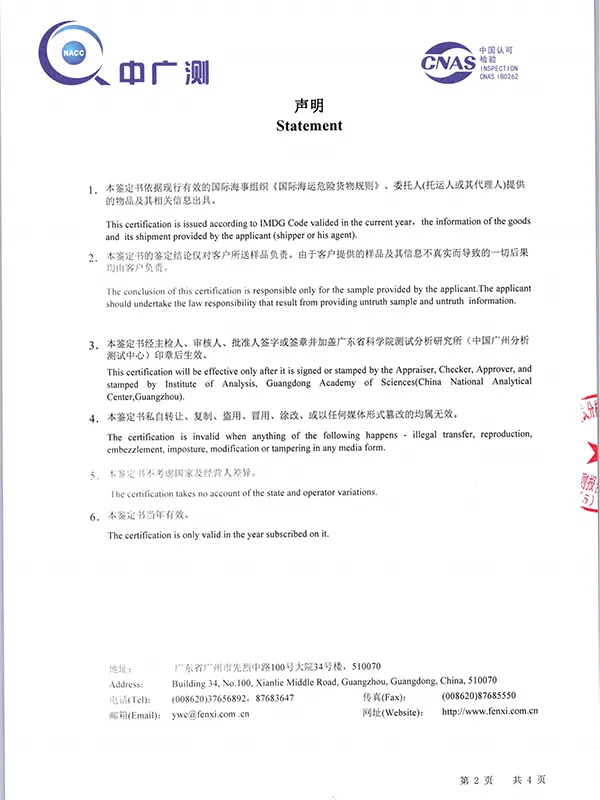
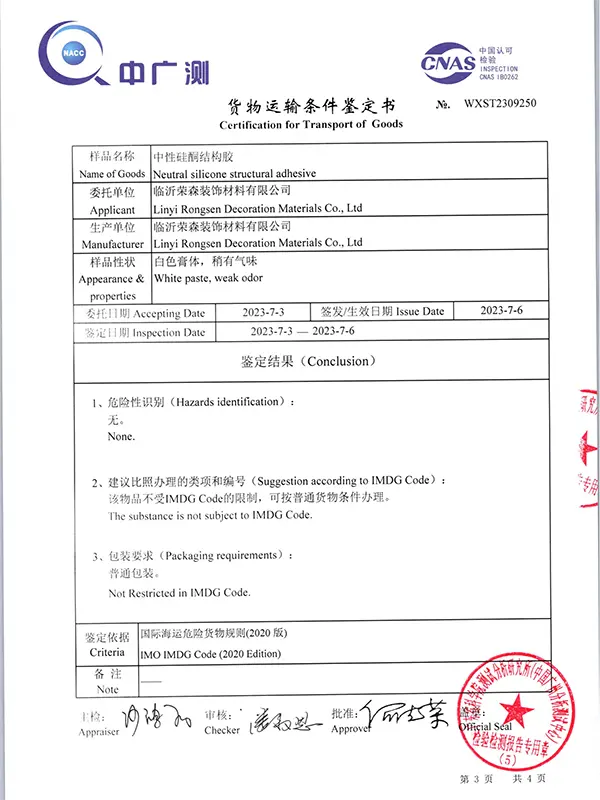
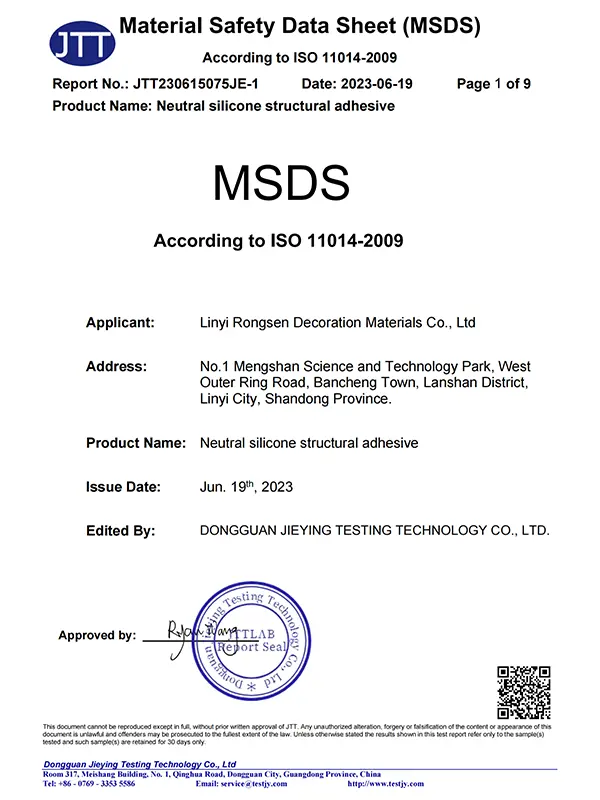
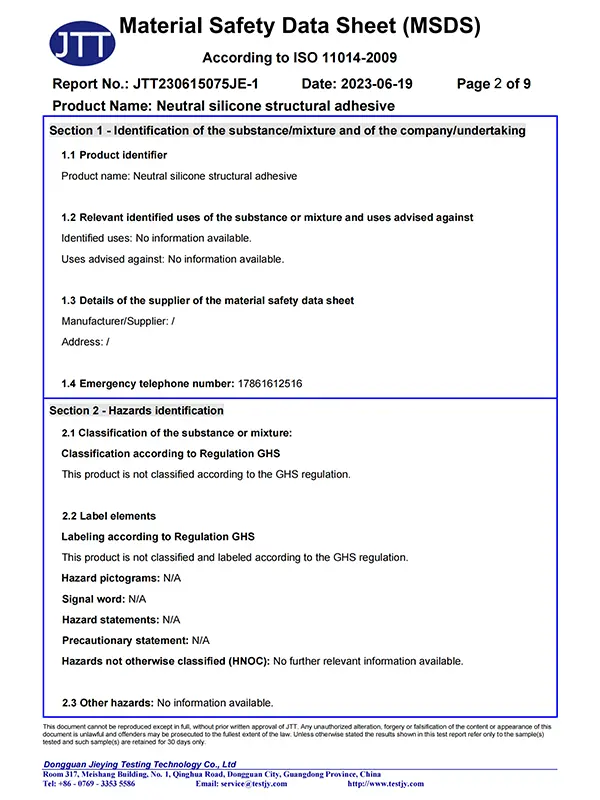
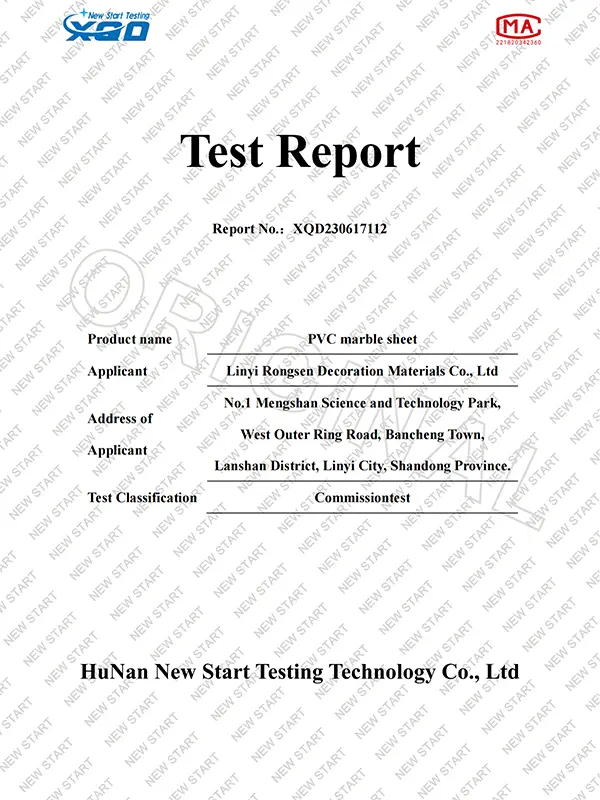
Linyi Rongsen Products are Manufactured in Accordance with International Standards
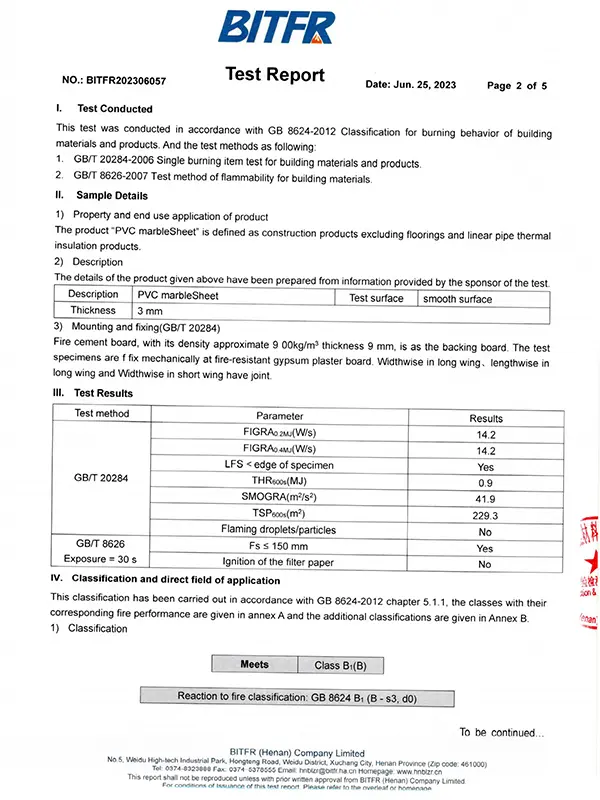
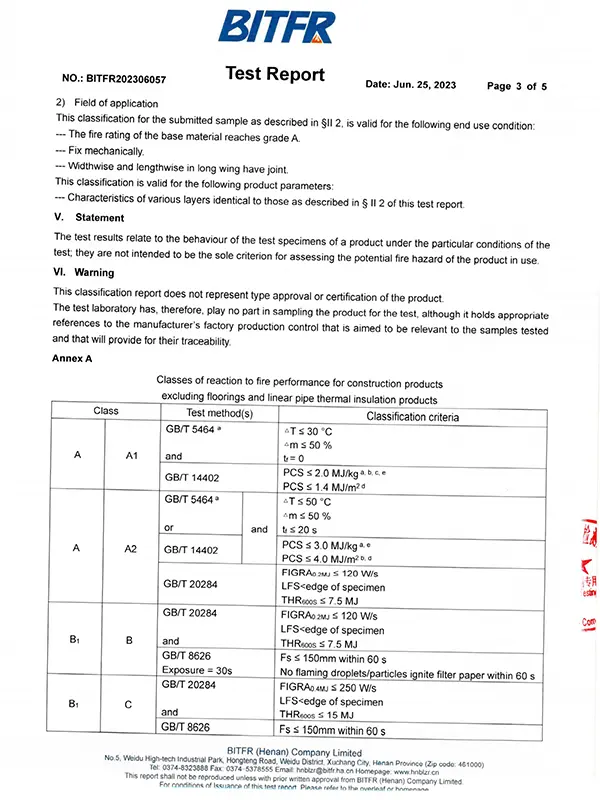
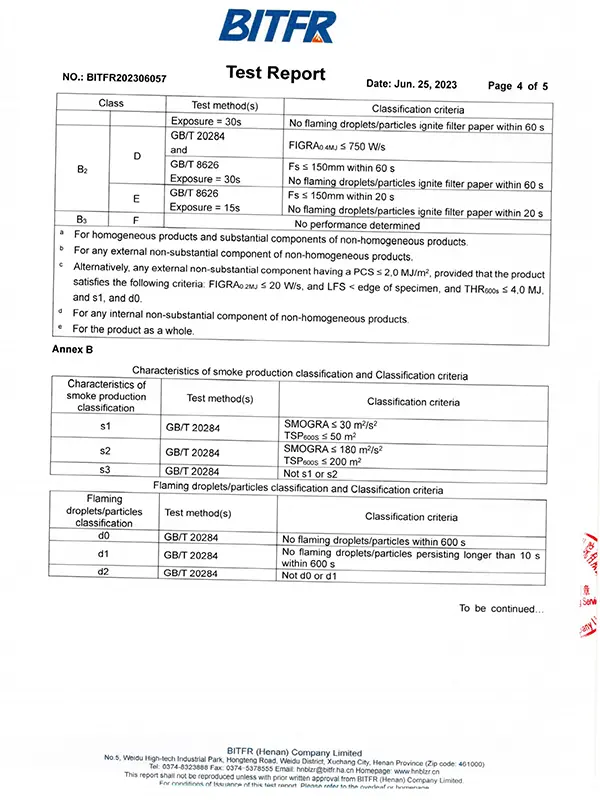
Key Information for Japanese Buyers Sourcing 3D Printed PVC Marble Cladding Solutions
Are you planning a commercial development, retail fit-out, or residential project in Tokyo? Contact our engineering team for expert technical support, physical material samples, and direct factory pricing.
Receive a free consultation on product dimensions, flame-retardant performance, and shipping timelines for the Tokyo metropolitan area.
Send Inquiry Now Rongsen