Explore our premium architectural profiles, customized outdoor wall systems, and high-strength composite solutions designed for large-scale procurement.
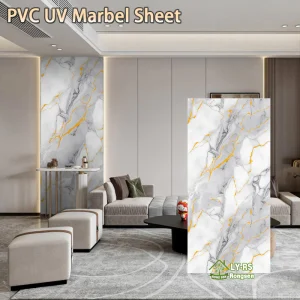
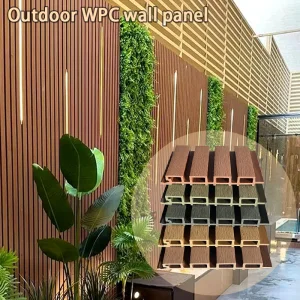
Analyzing key commercial markets, supply chains, and macroeconomic trends governing architectural and structural composites.
The global construction and building materials market is undergoing a seismic shift. Architects, developers, and corporate procurement directors are under intense regulatory pressure to minimize scope 3 emissions while maximizing product lifecycles. Traditional lumber columns deteriorate due to insect attacks and moisture ingress, whereas structural steel and concrete suffer from cost volatility and complex, high-carbon logistics. Consequently, B2B purchasing pipelines are increasingly turning to Wood-Plastic Composite (WPC) Upright Columns.
B2B sourcing hubs across Western Europe, North America, and APAC report a 18.4% year-on-year surge in the adoption of co-extruded WPC systems. High-intensity applications, including public boardwalks, municipal park structures, structural wall partitions, and perimeter fences, require products that combine high flexural modulus with low thermal expansion coefficients. Leading Chinese manufacturers are driving this market transition by engineering composite formulations that withstand harsh climates and heavy usage.
WPC upright columns eliminate the need for annual oil staining, chemical treatment, and wood rot replacement. This reduces long-term maintenance costs and provides high ROI for commercial property managers.
Made from up to 90% recycled raw ingredients, our WPC structural profiles help B2B buyers qualify for LEED, BREEAM, and DGNB environmental ratings.
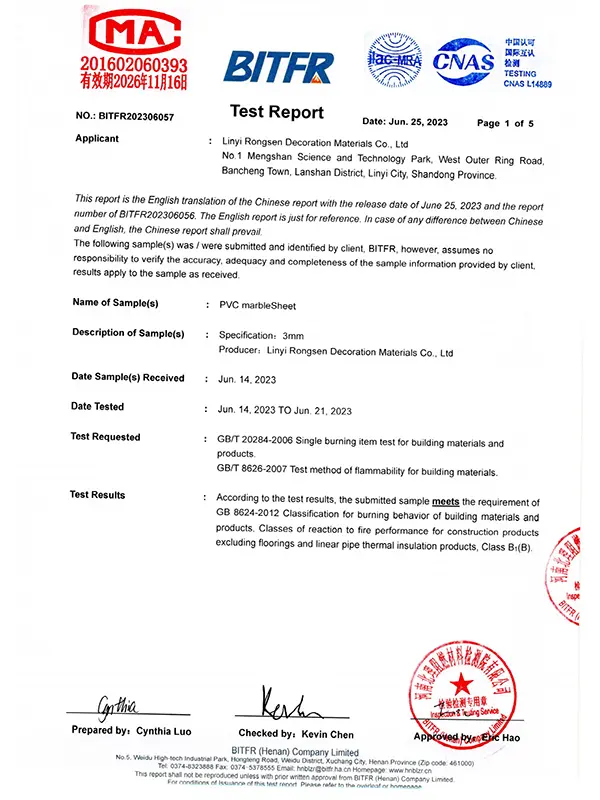
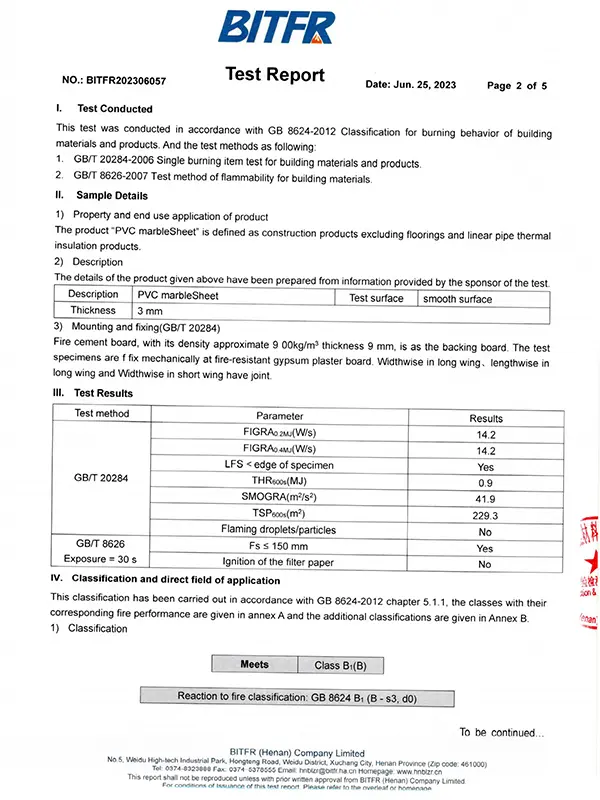
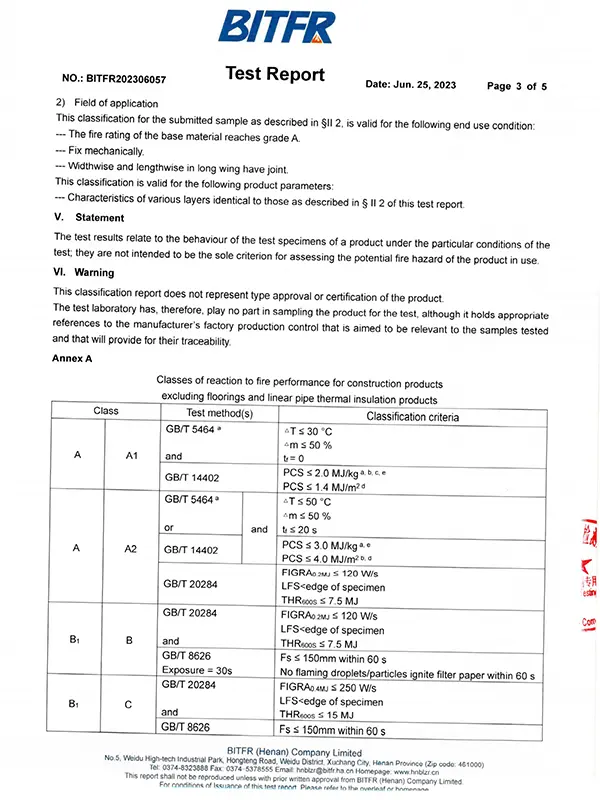
Designed and manufactured to meet strict international standards, ensuring compliance with local fire code regulations and wind-load performance guidelines.
WPC upright columns are not simple synthetic substitutes. They are engineered structural systems. At the molecular level, our composites bond wood flour with High-Density Polyethylene (HDPE) resins, modified with specialized coupling agents, UV stabilizers, and internal cross-linkers.
This formulation balances wood's structural stiffness with the flexibility and weatherproofing properties of polymers. To support high load-bearing applications, such as heavy pergolas or load-bearing privacy screens, the column cavities are designed to accommodate internal galvanized steel columns. This hybrid construction increases shear resistance and flexural modulus while maintaining a realistic wood-grain finish.
Our co-extrusion technology applies an outer protective cap that shields the core from UV degradation, moisture, and scratches, ensuring the structural core remains sound for decades.
| Technical Parameter | Value/Standard | Testing Protocol |
|---|---|---|
| Flexural Modulus | ≥ 3000 MPa | ASTM D790 / EN 310 |
| Water Absorption Rate | ≤ 0.8% (after 28 days) | ASTM D1037 |
| Density Range | 1.32 to 1.38 g/cm³ | ASTM D792 |
| Fire Propagation | Class B1 (Flame Retardant) | EN 13501-1 / UL 94 |
| Thermal Expansion Coeff. | < 3.0×10⁻⁵ / °C | ASTM D696 |
A look at the manufacturing innovations and product development steps driving next-generation WPC upright columns.
We co-extrude an outer protective layer made from high-performance ASA (Acrylonitrile Styrene Acrylate) blended with HDPE. This shields the core from color fade, micro-cracking, and chemical wear.
Integrating chemical coupling agents onto the surface of our lignocellulosic wood flour helps create strong interfacial adhesion between natural wood fibers and synthetic thermoplastics.
We are upgrading internal profile geometries from standard solid designs to advanced hollow structures. This reduces weight while keeping the load distribution uniform.
This technical roadmap ensures that every WPC column we ship meets rigorous building standards. By combining advanced polymers with structural hollow geometries, our products deliver the necessary load-bearing capacity for modern commercial architecture while reducing material weight and transport costs.
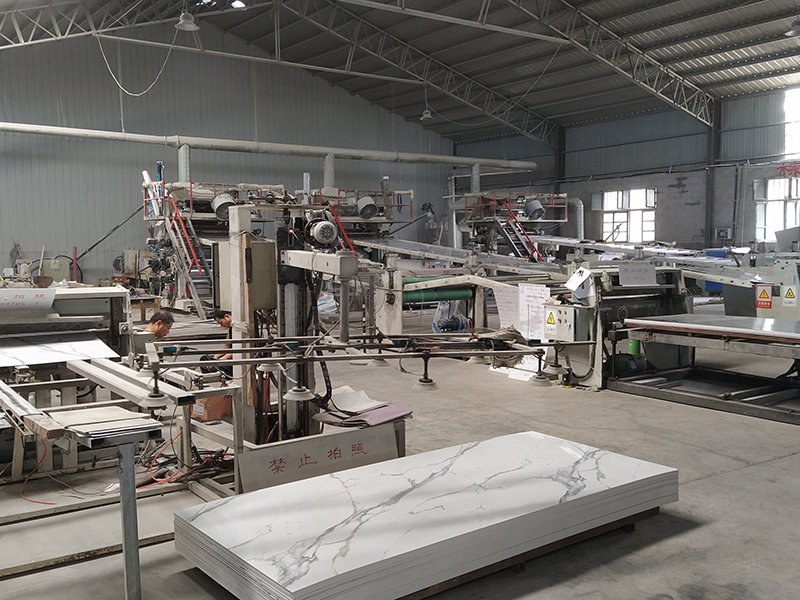
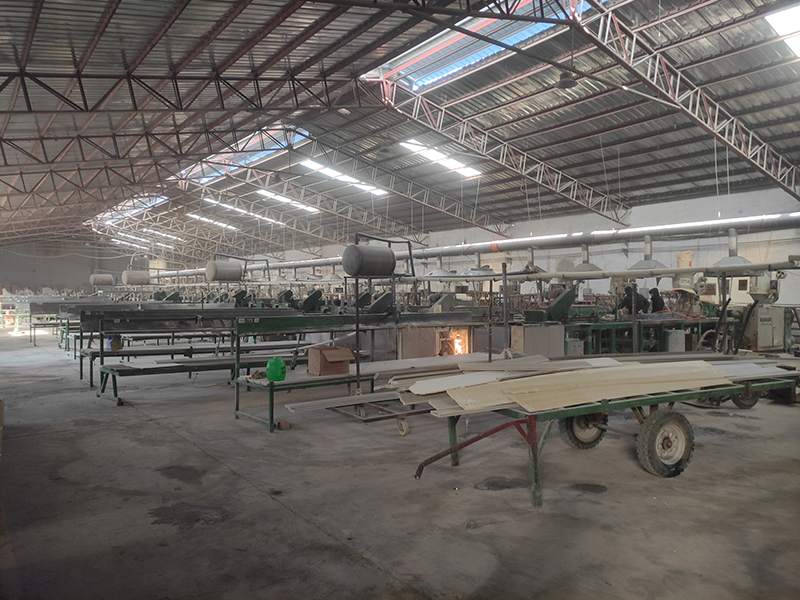
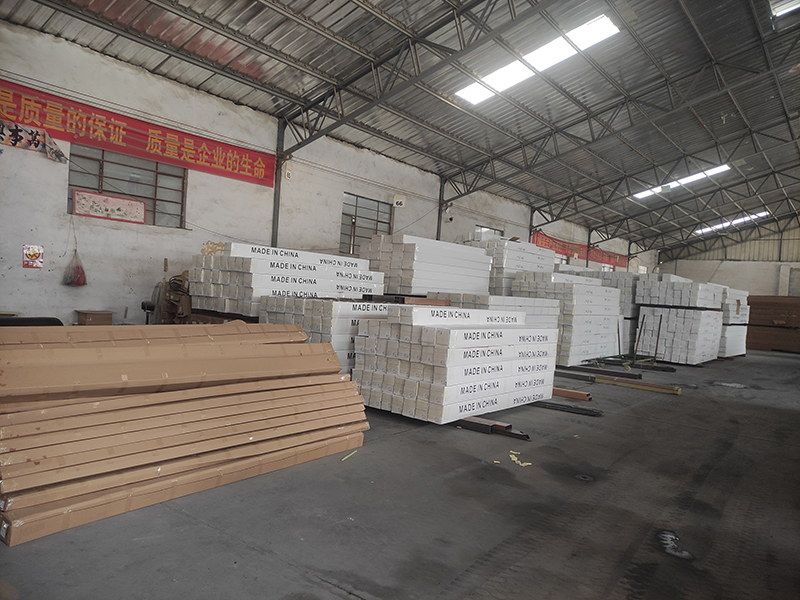
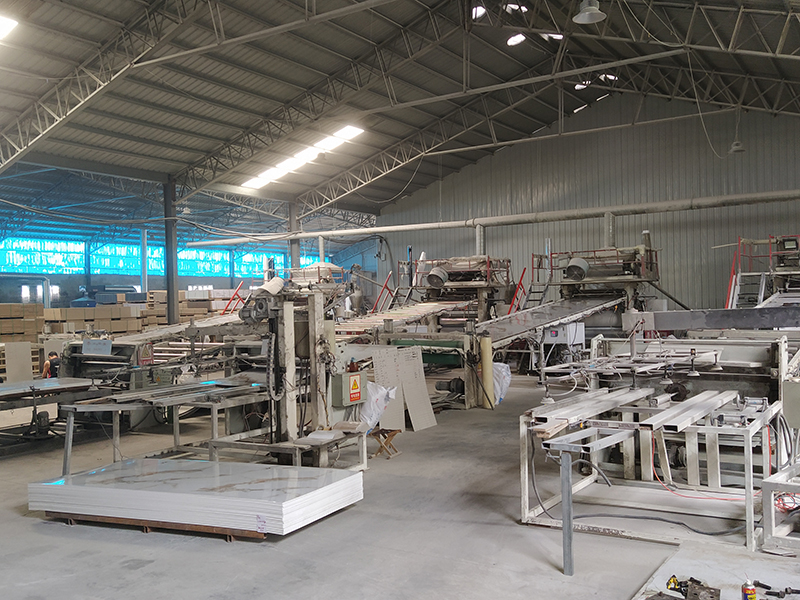
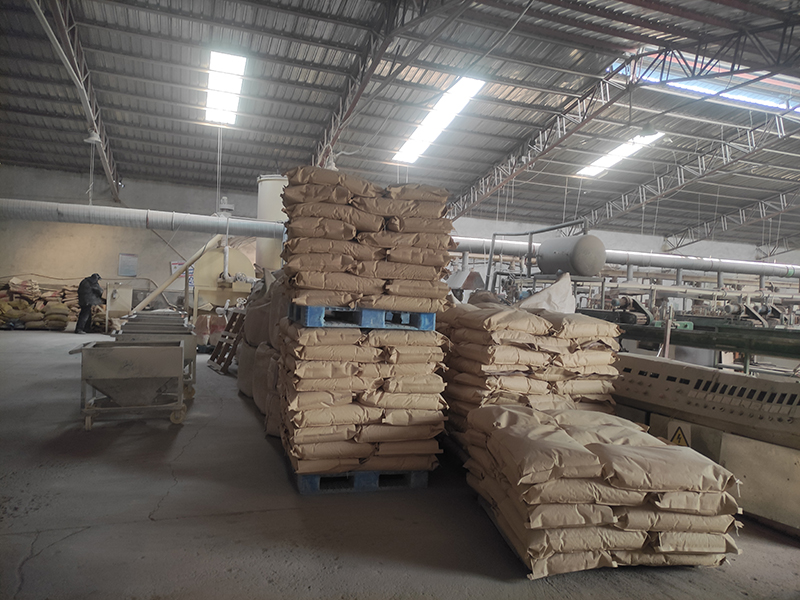
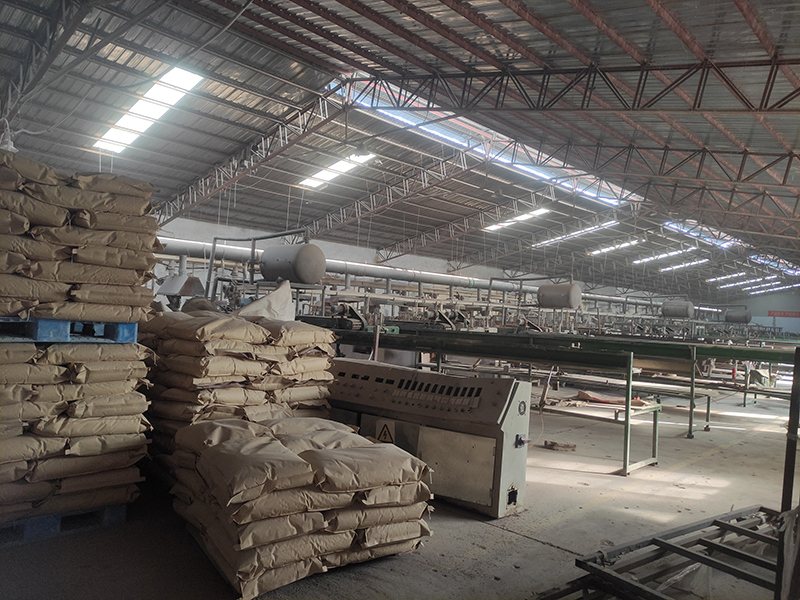
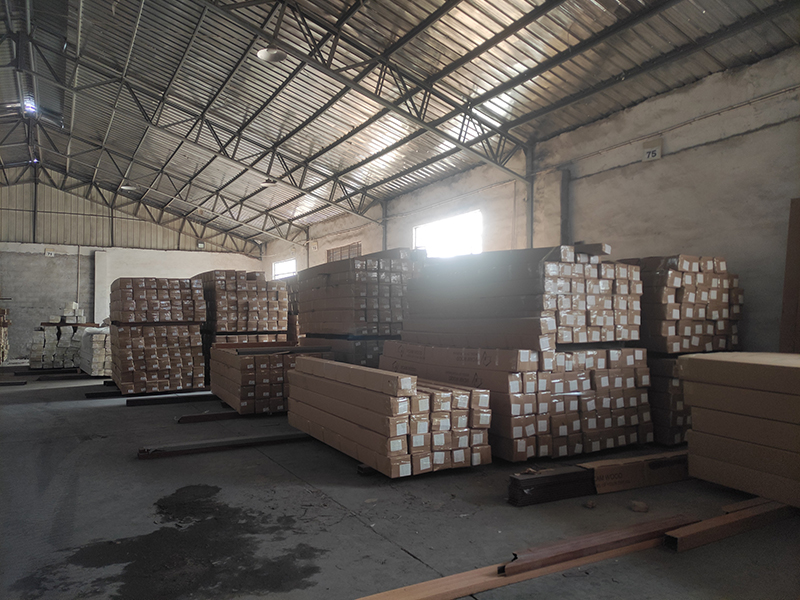
Located in Linyi City, Shandong Province, China, Linyi Rongsen Decoration Material Co., Ltd. sits at the heart of the "Logistics Capital of China." This strategic location provides access to high-efficiency transport networks, linking our manufacturing facilities directly to major shipping ports for reliable export logistics.
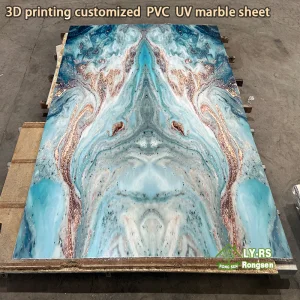
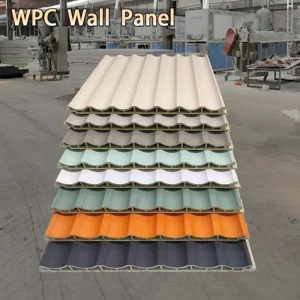
We manufacture and distribute a broad range of architectural materials, including PVC UV marble sheets, embossed panels, 3D printed backdrops, PS wall panels, WPC interior and exterior wall panels, and high-strength structural profiles. Every product we manufacture reflects our focus on structural performance and long-term utility.
Our experienced export teams ensure hassle-free processing through global customs channels. From initial product selection to port delivery, we handle all compliance steps to ensure smooth logistics for your procurement pipeline.
Our quality control process inspects every batch, from raw polymer verification to post-extrusion dimensional checks, ensuring all products meet target tolerances.
We ship to over 60 countries, tailoring our packaging and loading layouts to prevent damage during container transport.
Our products are suitable for residential, light commercial, and heavy-use public spaces, and we can customize colors and lengths to match design specifications.
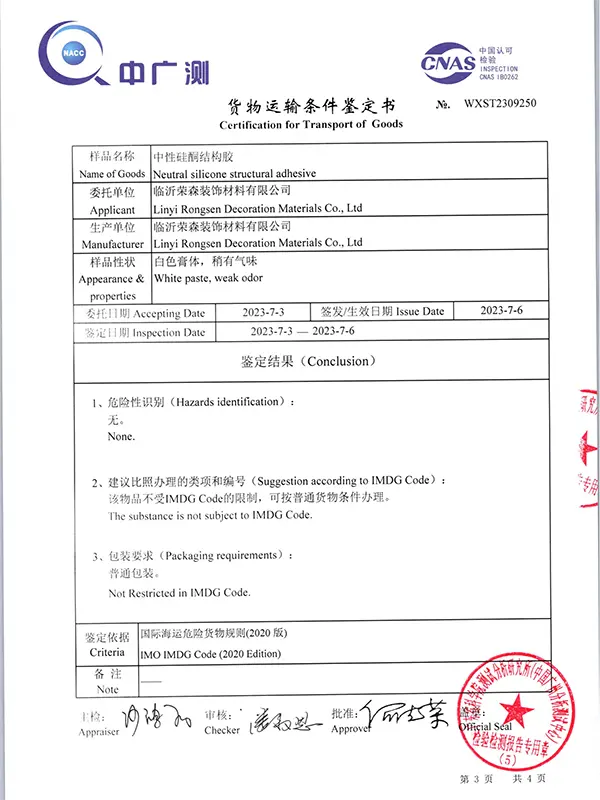
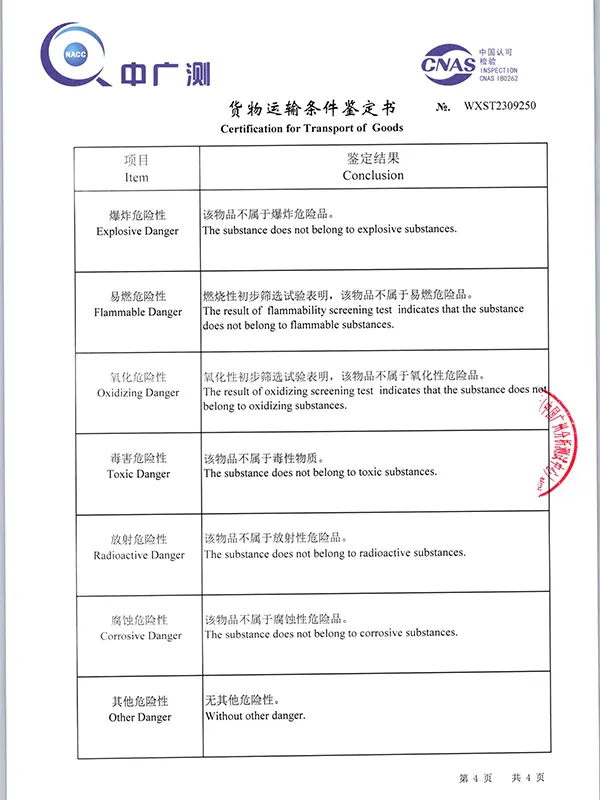
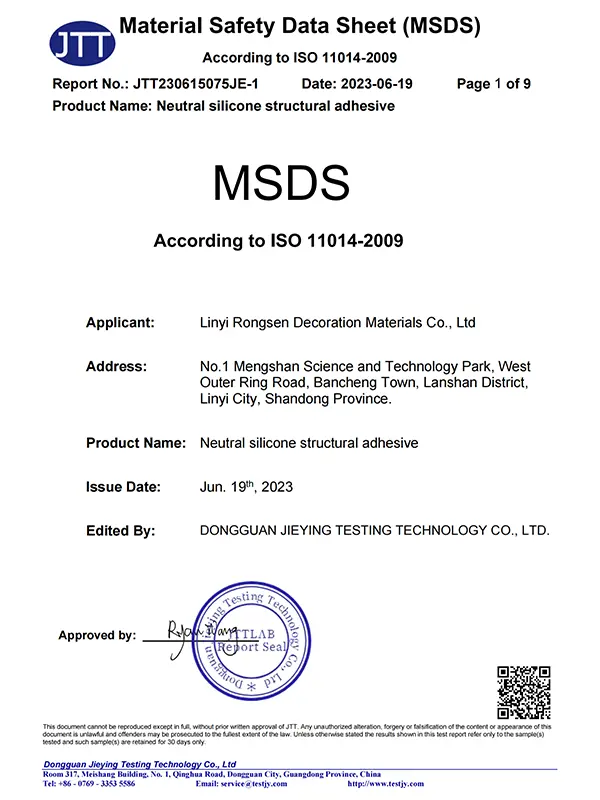
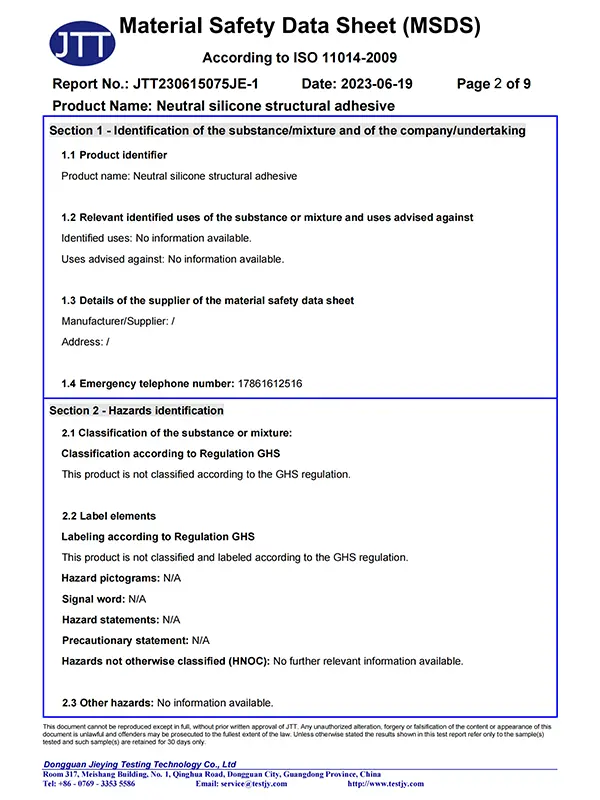
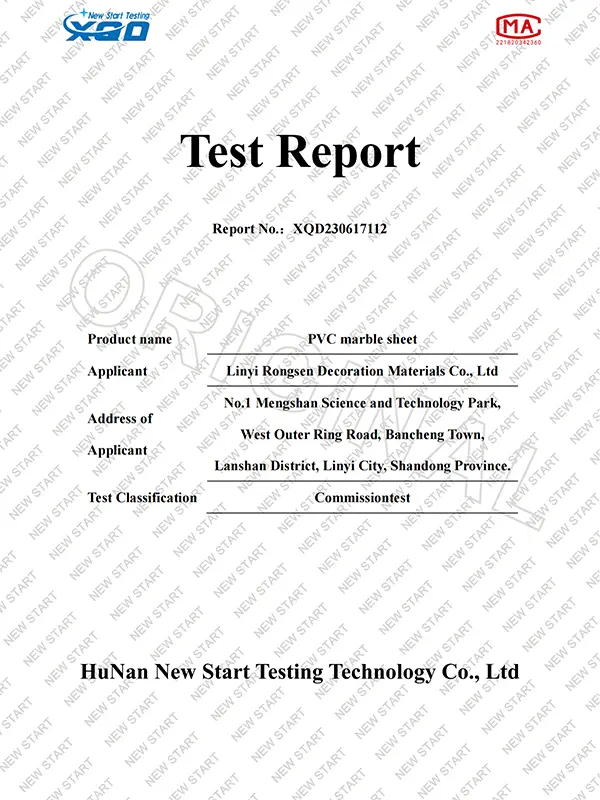
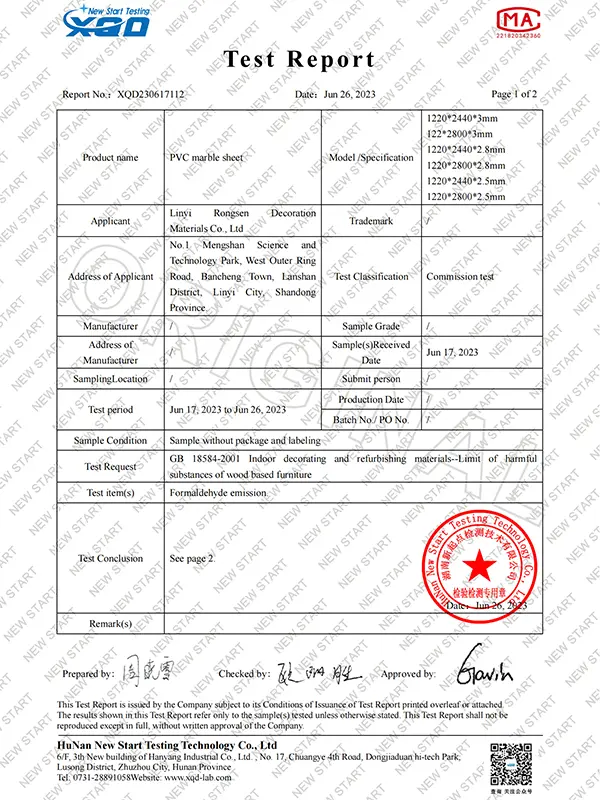
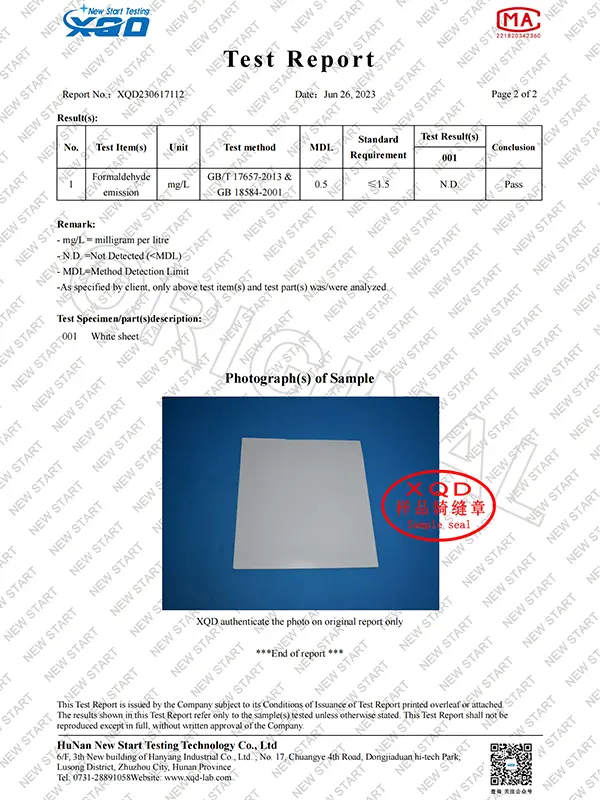
Our production lines are fully accredited under global trade and technical criteria, confirming reliable structural performance and environmental safety.
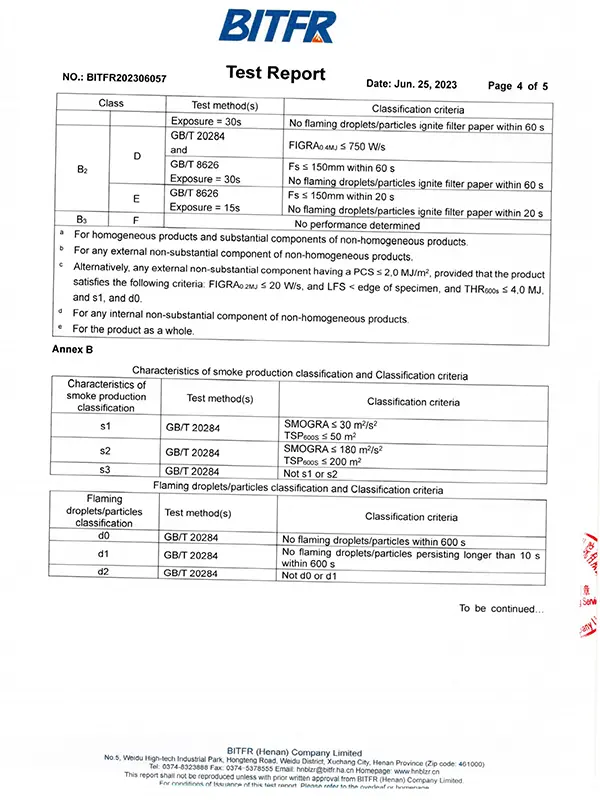
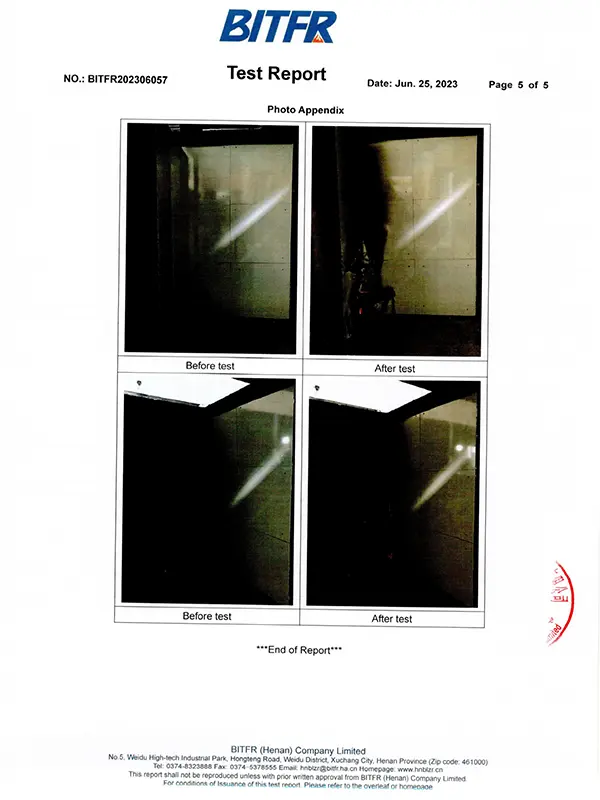
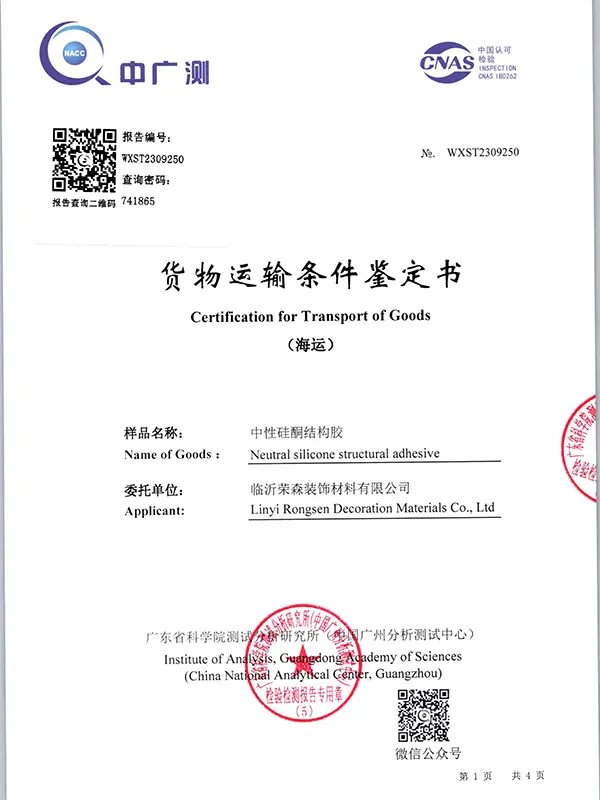
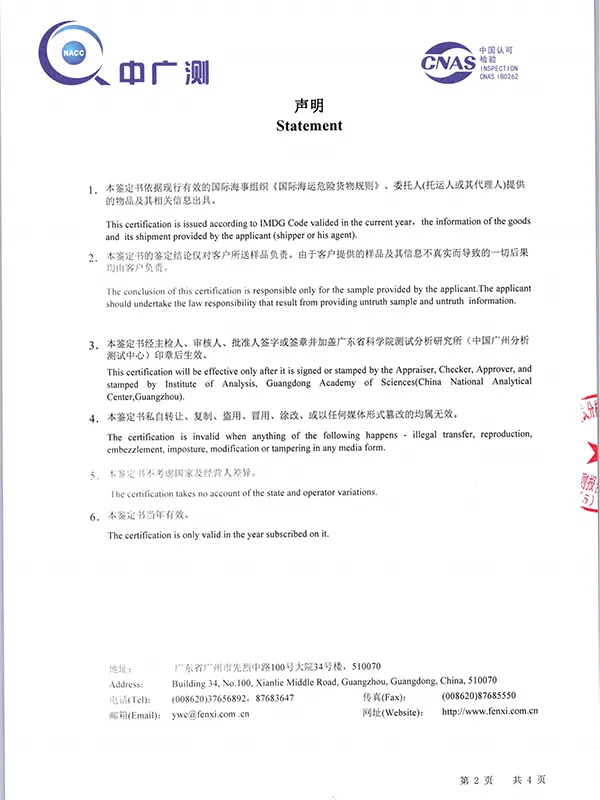
Further architectural options and high-performance cladding systems designed to streamline global procurement projects.
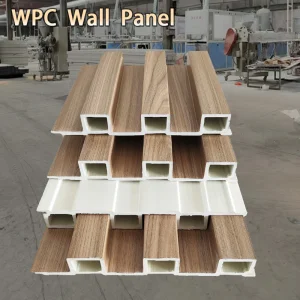
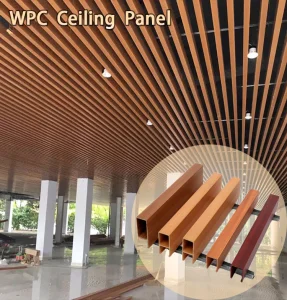
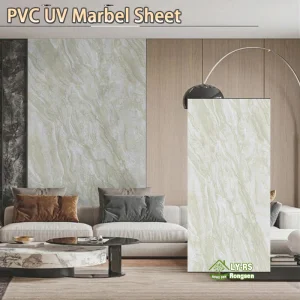
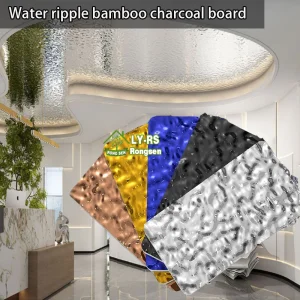
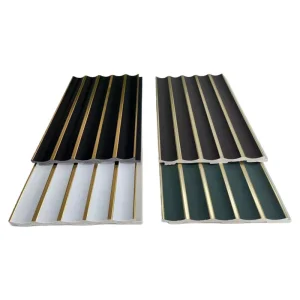
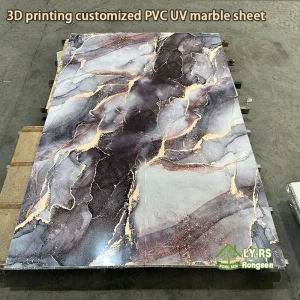
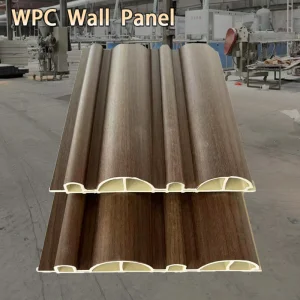
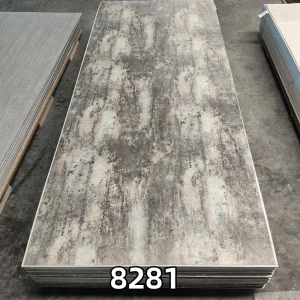
Key considerations and structural steps for mounting, fastening, and reinforcing WPC upright columns.
When installing WPC upright columns in commercial layouts, engineering teams must account for thermal expansion, wind loads, and ground anchor stability. Unlike solid wood, composite materials expand and contract with temperature changes. This guide outlines the key structural considerations to ensure a long-lasting, stable installation.
For structural or semi-structural applications, insert a galvanized steel or structural aluminum post into the center hollow cavity of the WPC column. Anchor the internal post directly to the concrete base using expansion bolts, then slide the WPC column over it.
Always leave appropriate expansion gaps at the top and bottom of the columns (typically 3–5 mm depending on ambient installation temperature and overall run length). Avoid tight mechanical locking at both ends to prevent buckling during hot weather.
Use high-quality stainless steel fasteners (Grade 304 or 316) to prevent rust staining on the composite surface. Pre-drill screw holes slightly larger than the screw shank to allow for movement.
Ensure the column base rests on a self-draining substrate or metal bracket rather than in standing water. Proper airflow around the bottom prevents mold buildup and prolongs the lifetime of the composite core.
Answers to common questions from architects, procurement directors, and building contractors regarding WPC upright columns.
WPC upright columns can support light axial loads, but for major structural or load-bearing applications (like structural pergolas or pavilions), they should be reinforced. Slide the hollow WPC profile over a structural galvanized steel or aluminum insert to handle structural loads while utilizing the WPC exterior for weather resistance.
Our WPC formulations contain specialized UV inhibitors and stabilizers that prevent polymer breakdown under intense sunlight. Additionally, the co-extruded outer cap layer protects the structural core from thermal cycling, keeping fade and expansion within standard building tolerances.
Standard custom lengths and colors require a manufacturing lead time of 15 to 25 days depending on overall volume. Because Linyi Rongsen is located close to regional logistics hubs, processed goods can be dispatched to international ports quickly, keeping shipping schedules on track.
Yes. Linyi Rongsen WPC products do not contain added formaldehyde, benzene, or heavy metal residues. Our materials utilize recycled wood sawdust and post-consumer plastics, making them fully recyclable at the end of their operational lifecycle.
Discuss your project specifications with Linyi Rongsen’s structural engineering division. We offer custom dimensions, raw material optimization, and international shipping options.
+86 17861612516 | +86 19715396916
200 meters east of the intersection of Jinluo 4th Road and Xincheng 2nd Road in Jinluo Industrial Park, Bancheng Town, Lanshan District, Linyi City, Shandong Province, China
When submitting an inquiry, please include the following details so our engineering team can assist you efficiently:
 Rongsen