 Rongsen
Technical White Paper: Wood-Plastic Composite (WPC) Materials
An in-depth guide to chemistry, manufacturing precision, and installation metrics.
1. Global Architectural Shift: The Commercial Landscape of Outdoor WPC
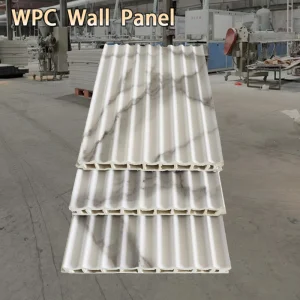
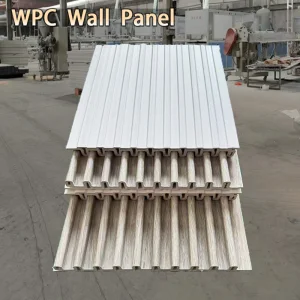
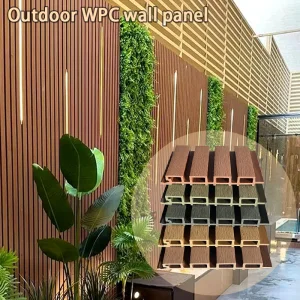
Modern building skin engineering relies on three key elements: long-term weatherability, structural lightness, and minimal carbon footprint. Traditional solid wood is vulnerable to rapid degradation through moisture absorption, fungal decay, and UV aging. Concrete and metals, while structurally sound, introduce massive thermal transfer loads and complex installation requirements. Wood-Plastic Composite (WPC) outdoor wall systems have filled this gap, shifting from a niche choice to a leading standard in commercial and residential façade design.
According to global building materials data, wood-plastic composite installations have achieved an annual growth rate exceeding 12% in commercial specifications. Architects utilize WPC facades to obtain credits in green building rating systems such as LEED (Leadership in Energy and Environmental Design) and BREEAM. By integrating recycled wood fibers with reclaimed polyolefins, WPC systems prevent virgin timber depletion and lower chemical waste.
2. Regional Engineering Adaptation
Outdoor building surfaces must withstand varied climate dynamics. Simple generic formulations will warp, crack, or fade when exposed to extreme environmental conditions. Professional WPC engineering requires regional customization:
- Arid, High-UV Zones (e.g., Middle East, Australian Outback): These environments demand high concentrations of HALS (Hindered Amine Light Stabilizers) and UV-absorbers within the outer shell layer. This inhibits photo-oxidation, preserving polymer integrity and keeping pigment changes below a Delta E value of 4 over thousands of hours of direct sunlight.
- Sub-Zero Freeze-Thaw Regions (e.g., Canada, Northern Europe): When moisture gets into composite boards and freezes, it expands and causes internal stress. Our engineered WPC features a dense polymer shell with less than 0.5% water absorption. This prevents frost damage and keeps the material structurally stable down to -40°C.
- Humid Coastal Zones (e.g., Southeast Asia, Gulf of Mexico): High humidity and warm temperatures encourage mold, mildew, and termites. WPC eliminates these risks by encapsulating cellulose fibers in dense polymer matrices. The wood fibers are fully sealed, preventing moisture and pests from causing rot.
3. Technical Roadmap: The Evolution of Composite Cladding
Understanding the technical history of WPC helps engineers and builders select the right material for their projects. WPC has evolved through distinct manufacturing generations:
Gen 1: Mono-Extrusion WPC
An uncapped mixture of wood fibers and HDPE. Highly susceptible to moisture absorption, staining, and UV degradation. Requires regular maintenance and is prone to surface weathering.
Gen 2: Co-Extrusion Cladding
Features a 360-degree protective polymer shield co-extruded with the core. Excellent resistance to stains, scratches, and fading. Reduces water absorption to near-zero levels.
Gen 3: Bio-Mimetic Structural Composites
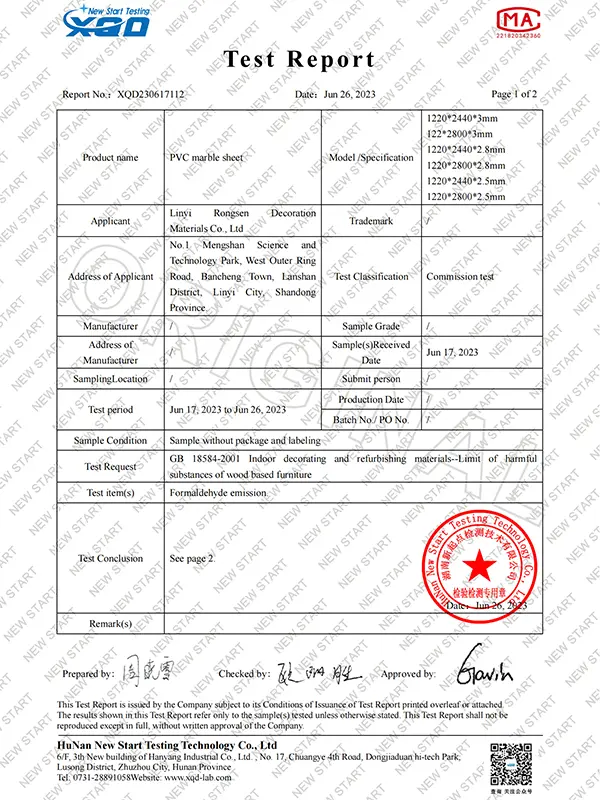
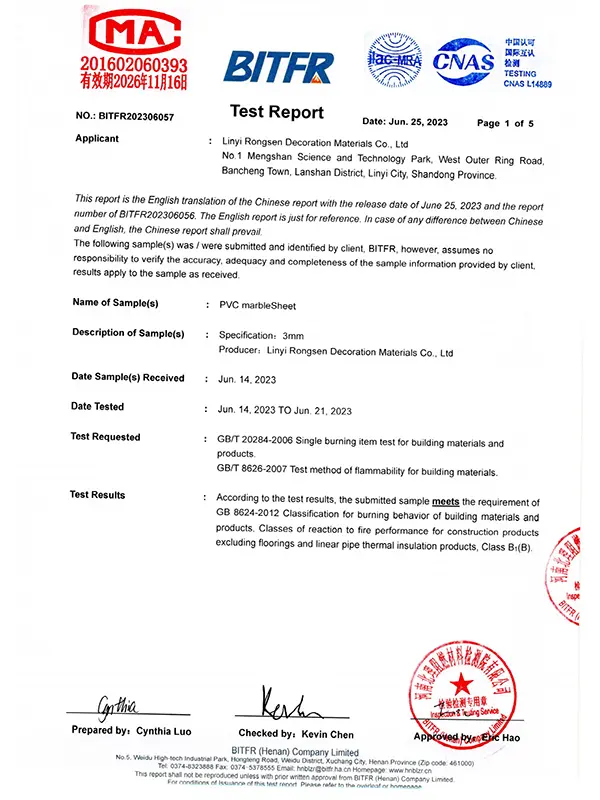
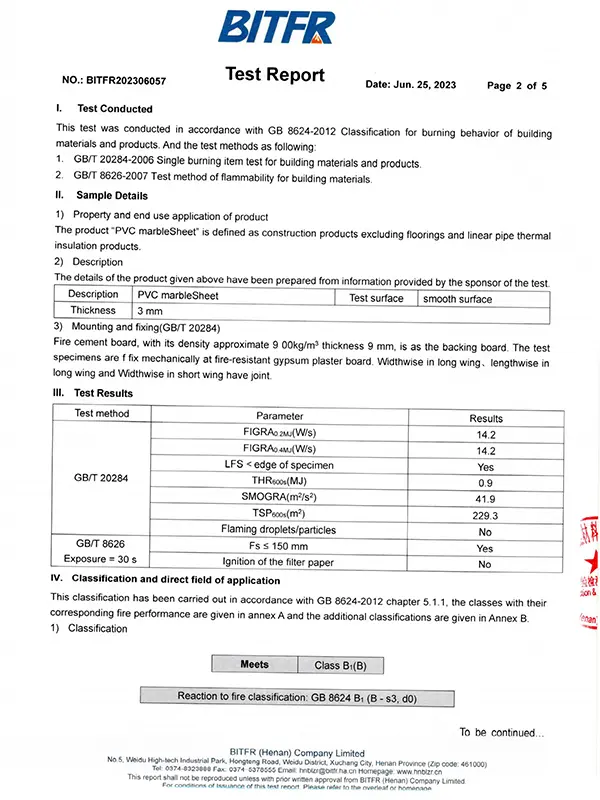
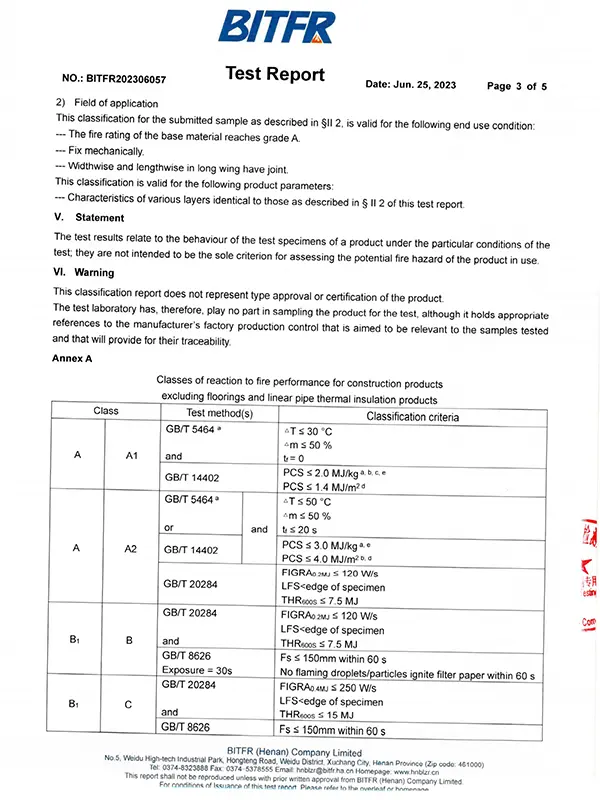
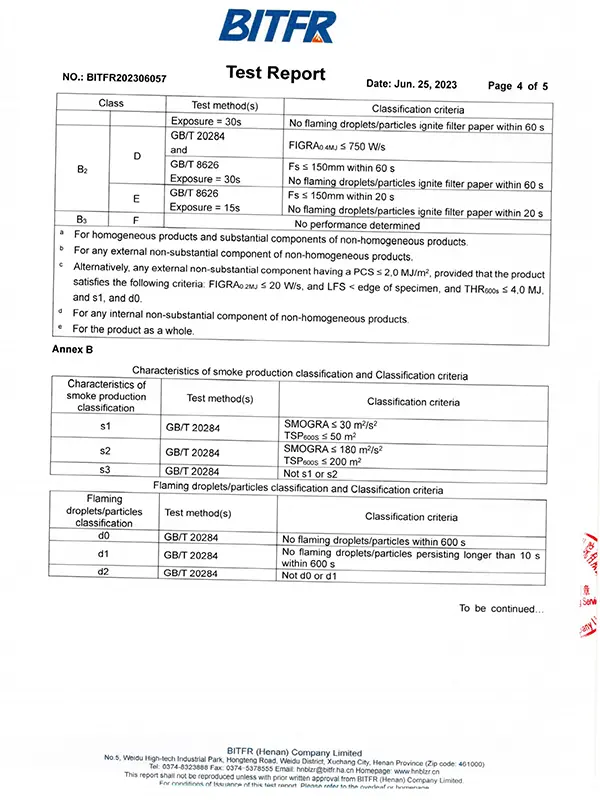
Utilizes multi-tonal wood grain patterns and micro-embossing to match the texture of real timber. Includes advanced flame retardants (Class B1) and enhanced structural flexibility.
4. Linyi Rongsen Supply Chain & Logistics Hub Advantage
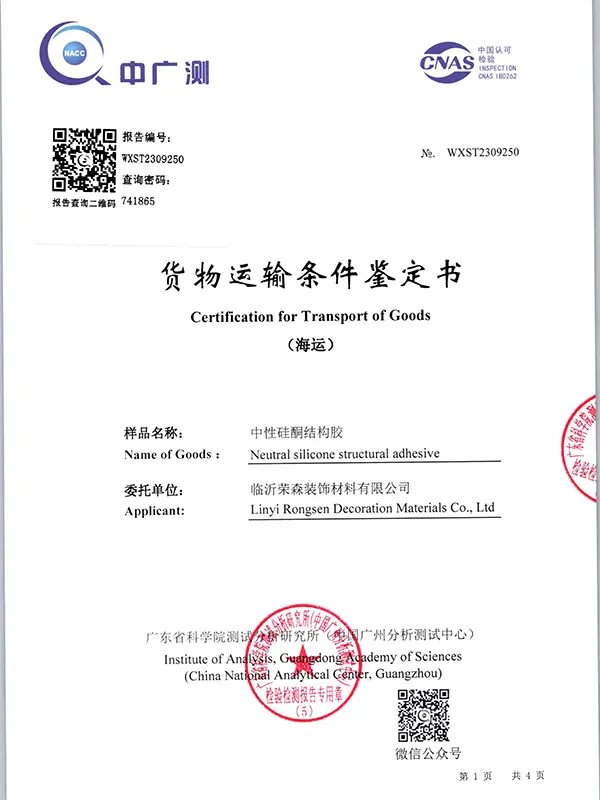
Linyi Rongsen Decoration Material Co., Ltd. is located in Linyi City, Shandong Province, known as the "Logistics Capital of China." This strategic location provides major advantages for international supply chains. Linyi is a primary transportation hub, connecting our manufacturing facilities directly to major shipping ports like Qingdao and Lianyungang.
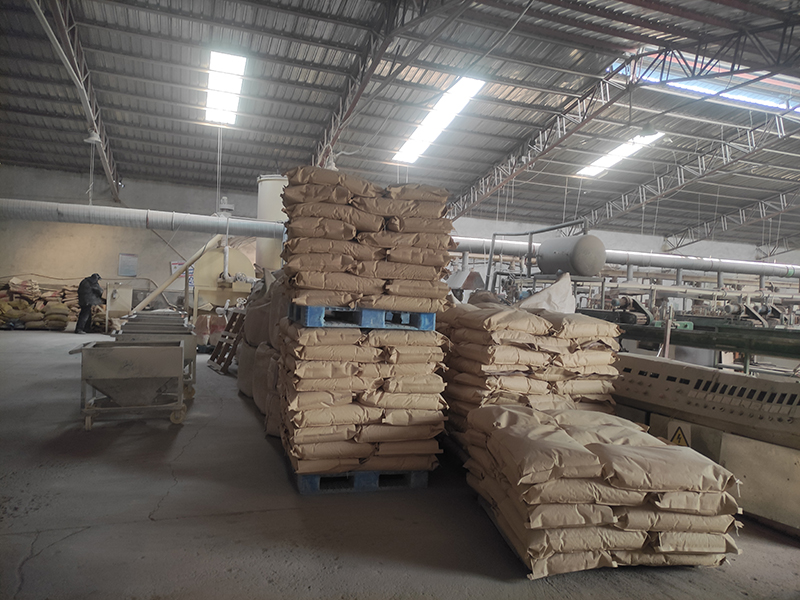
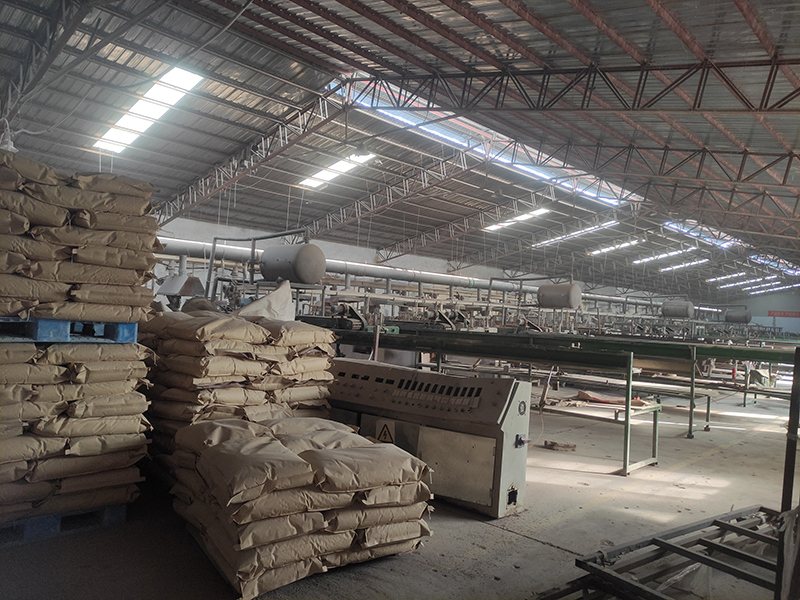
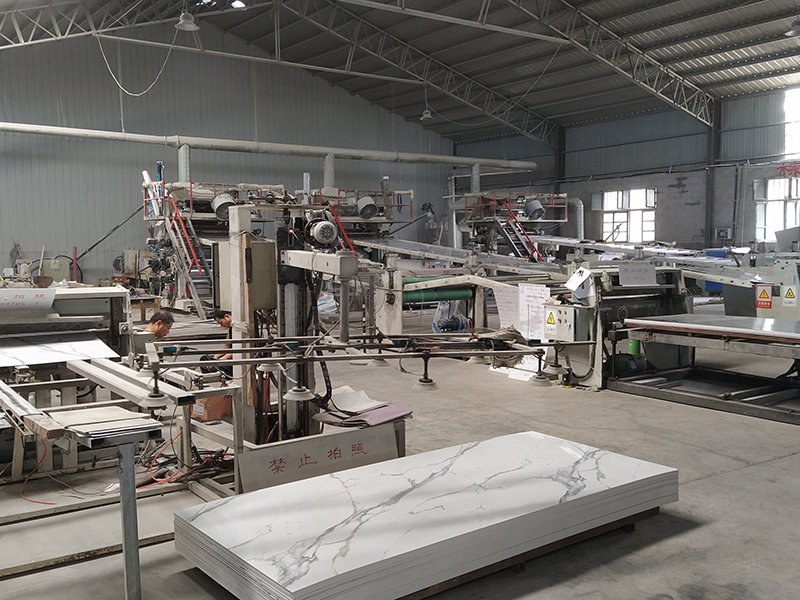
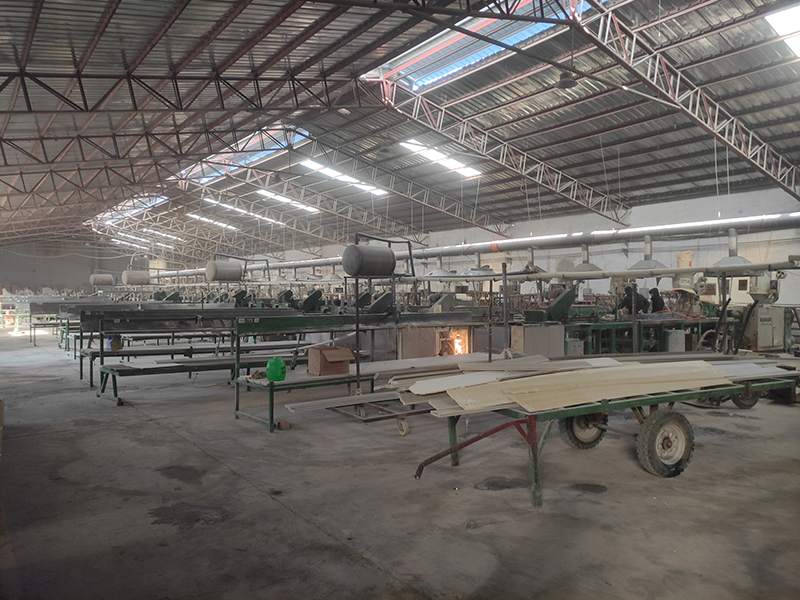
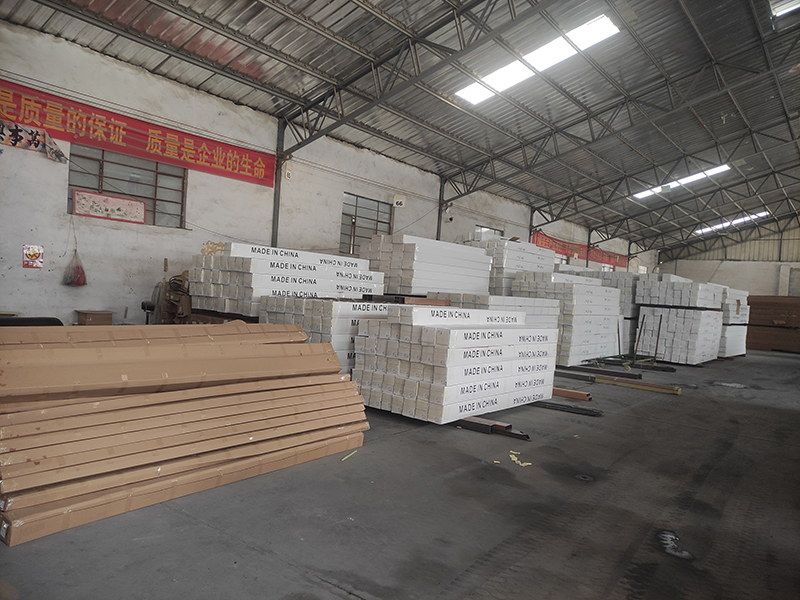
This direct port access reduces land transit times, lowers domestic freight fees, and minimizes handling risks. For overseas buyers, this logistics network ensures reliable delivery schedules, faster shipping times, and lower overall container transport costs. Our factory runs automated extrusion lines that operate 24/7, providing stable production capacity and quick turnaround times for large commercial projects.
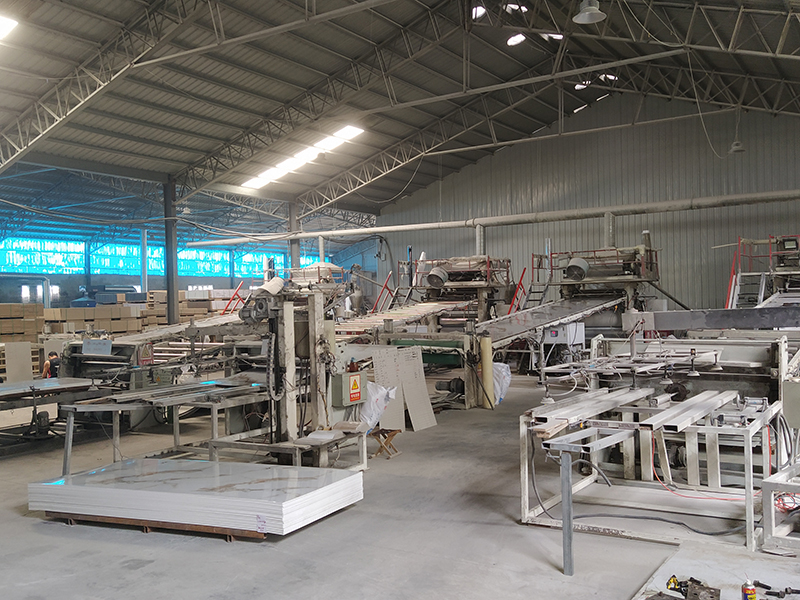
5. Craftsmanship, Customization, & Product Range
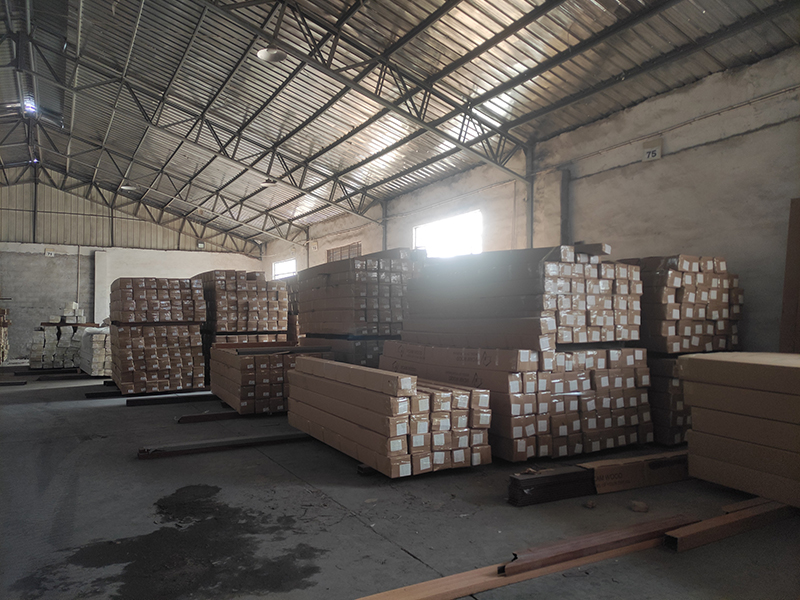
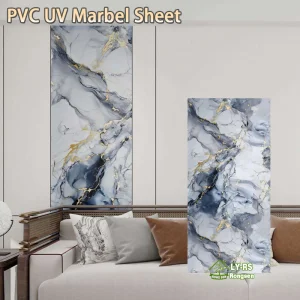
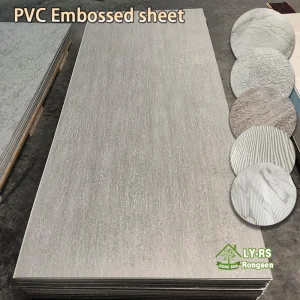
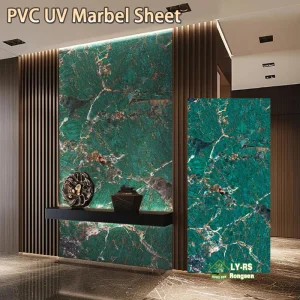
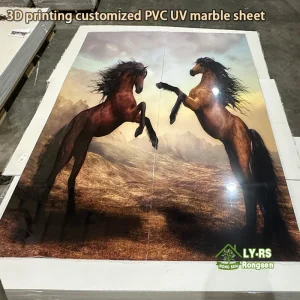
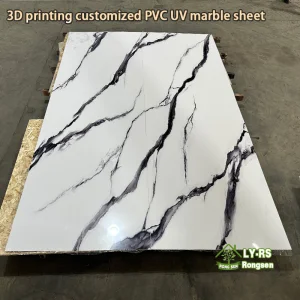
Linyi Rongsen manufactures a wide range of indoor and outdoor decorative materials. In addition to exterior WPC cladding, we produce PVC UV marble panels, embossed wall coverings, 3D printed backdrops, light PS wall panels, and realistic PU stone modules.
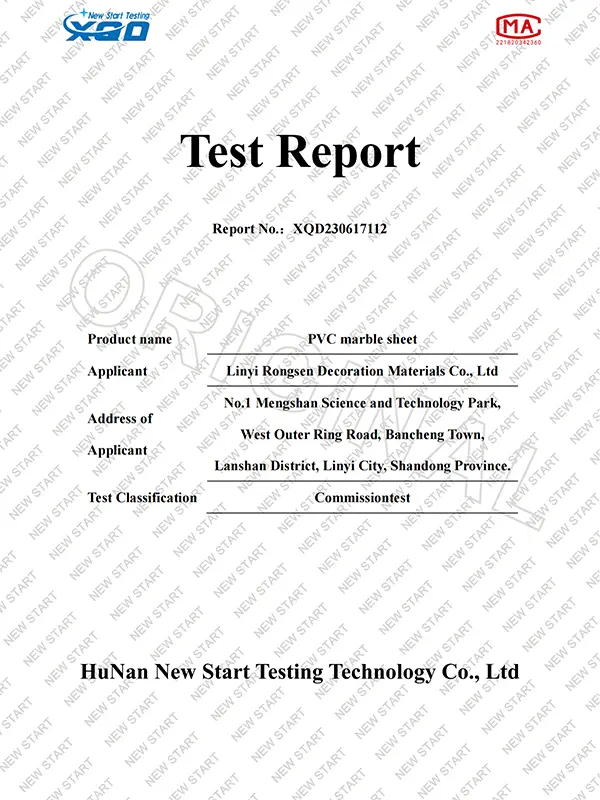
We offer extensive customization options, including custom color matching, wood grain texturing, and custom length extrusion. Our engineering team works closely with project developers to ensure our products meet local building standards, wind load specifications, and aesthetic requirements.