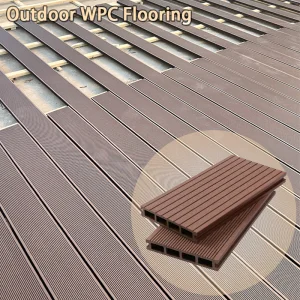
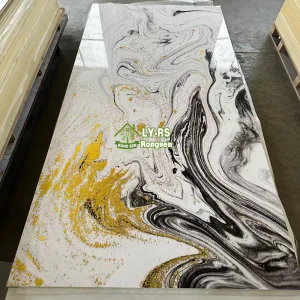
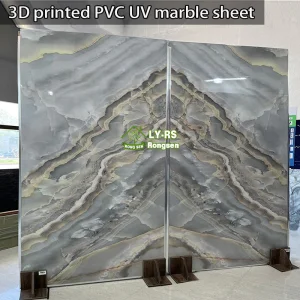
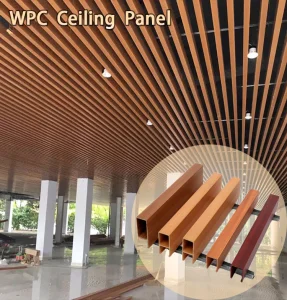
Engineered for durability, waterproofing, and high aesthetic appeal. Select our top-selling decorative panels designed to withstand diverse climatic challenges.
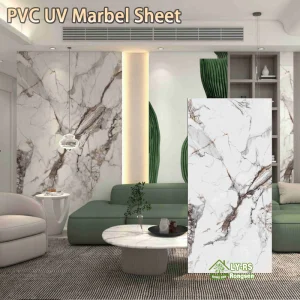
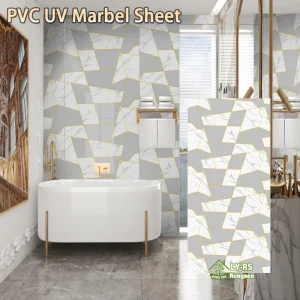
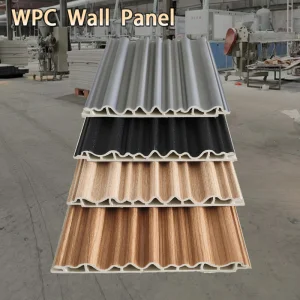
In modern construction, commercial real estate developers, interior designers, and industrial contractors are seeking alternatives to traditional wood cladding and resource-heavy materials. As global regulations tighten around carbon emissions and sustainable sourcing, Wood-Plastic Composite (WPC) technology has emerged as a crucial substitute. WPC combines natural wood fiber with high-density polymers to create a product that is durable, aesthetic, and resistant to environmental stress.
China's manufacturing sector leads this evolution, driven by technological scale and advanced chemical extrusion techniques. As a prominent industry leader, Linyi Rongsen Decoration Material Co., Ltd. coordinates raw material formulation, structural tooling design, and strict quality assurance pipelines. Based in Linyi, Shandong, we benefit from the logistics network of the "Logistics Capital of China," allowing us to offer cost-effective and prompt delivery to global distribution hubs.
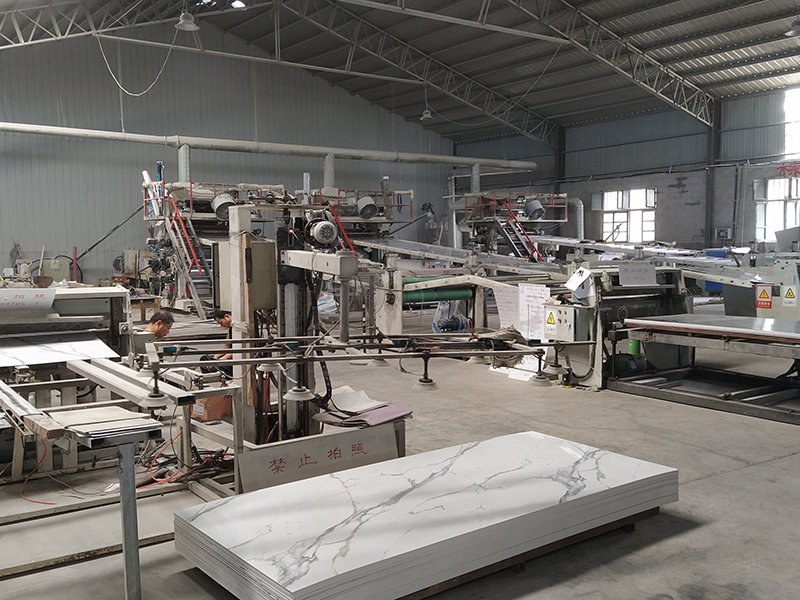
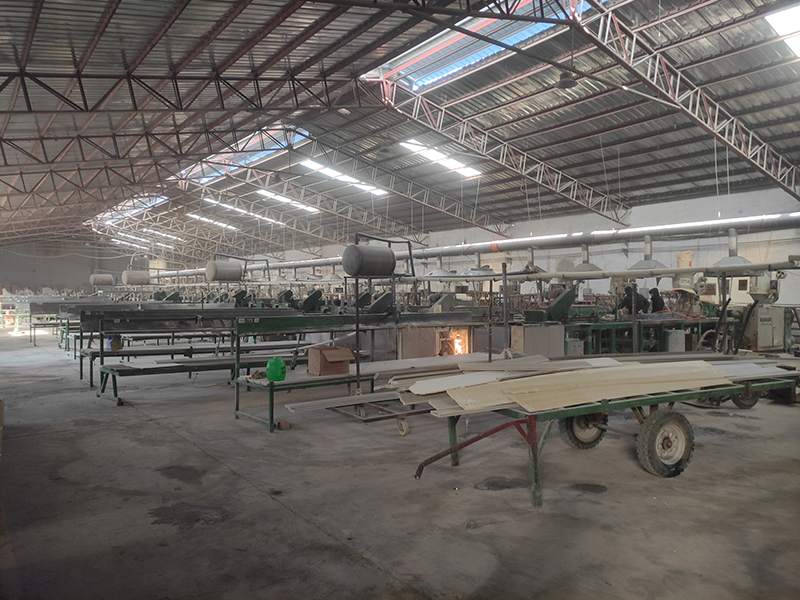
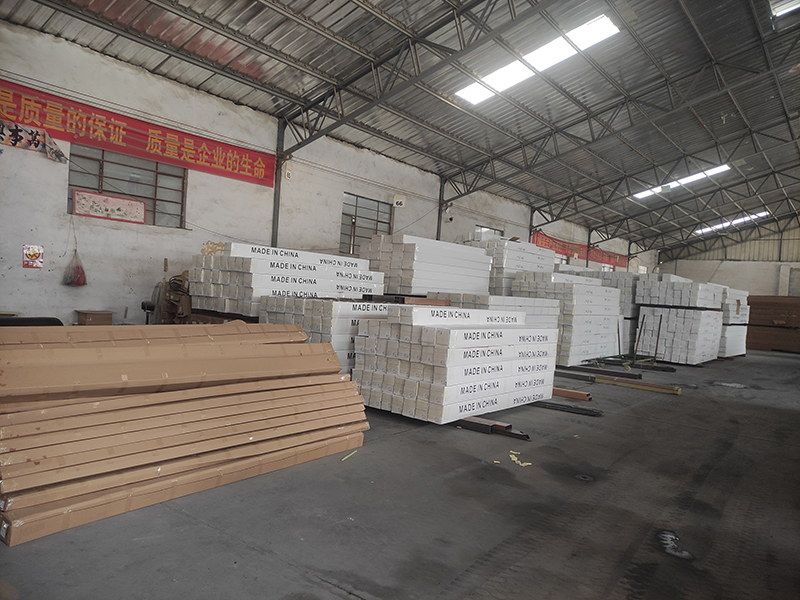
Our processes are designed to deliver reliable performance in diverse environments, from high-humidity coastal settings to dry continental climates.
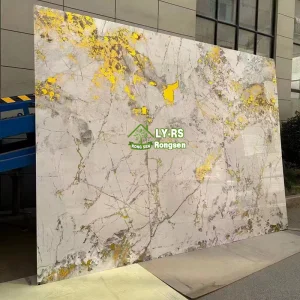
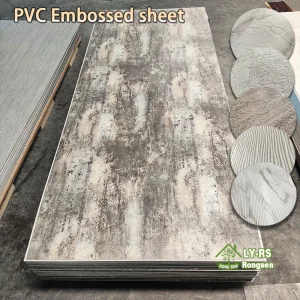
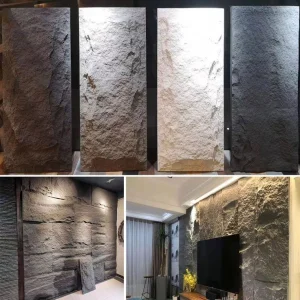
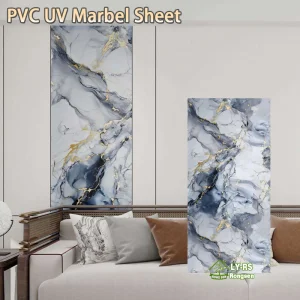
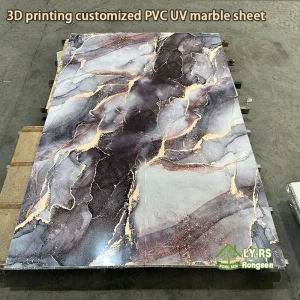
We manufacture a broad range of architectural surfaces. Our portfolio features PVC UV marble sheets, embossed panels, high-definition 3D printed backdrops, lightweight PS wall panels, outdoor PU stone replicates, and high-strength WPC profiles. Each product is engineered to balance aesthetic appeal with long-term utility.
Linyi Rongsen prioritizes strict ethical business practices and reliable product quality. Our production lines use raw materials with certified purity, ensuring consistent batch density, precise thickness control, and reliable tensile performance.
With decades of export experience, our team navigates international shipping regulations and custom protocols, managing logistics directly from the Linyi logistics center to European, Middle Eastern, and American destinations.
We provide structured technical consulting from initial material selection to post-installation queries. Our design department supports custom profile engineering (OEM/ODM), color matching, and mock-up generations for project bids.
Rongsen products are engineered to exceed industry standards. Built-in UV-inhibitors reduce color fade under direct solar radiation, while our hydrophobic polymer matrices resist warping, rotting, or fungal growth.
We help commercial distributors, importers, and large-scale builders optimize supply chain costs. Our partnerships focus on sustainable, stable wholesale volume distribution and product quality consistency.
To assist procurement directors and structural engineers in making informed decisions, we outline the primary technical specifications of our key products. By matching specific project loads and thermal parameters with corresponding composite designs, you can balance cost, structural capacity, and local building regulations.
| Material Class | Primary Composition Breakdown | Thermal Expansion Coefficient | Standards Testing & Compliance Ratings | Recommended Architectural Use-Cases |
|---|---|---|---|---|
| PS Wall Panels | 100% Polystyrene Resins + Pigment Co-extrusions | < 5.0 x 10^-5 / °C | VOC Class E1, RoHS Heavy Metal Compliant | High-end interior wall accents, dry-wall finishes, hotels. |
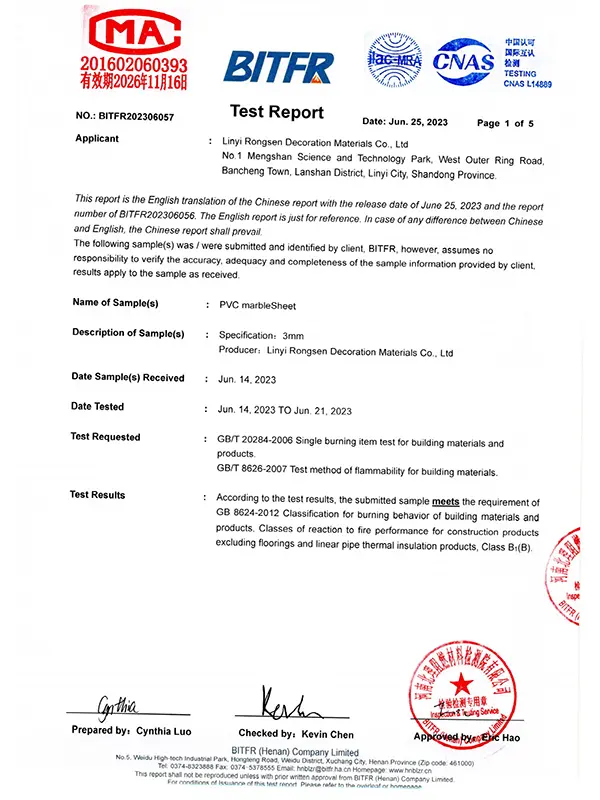
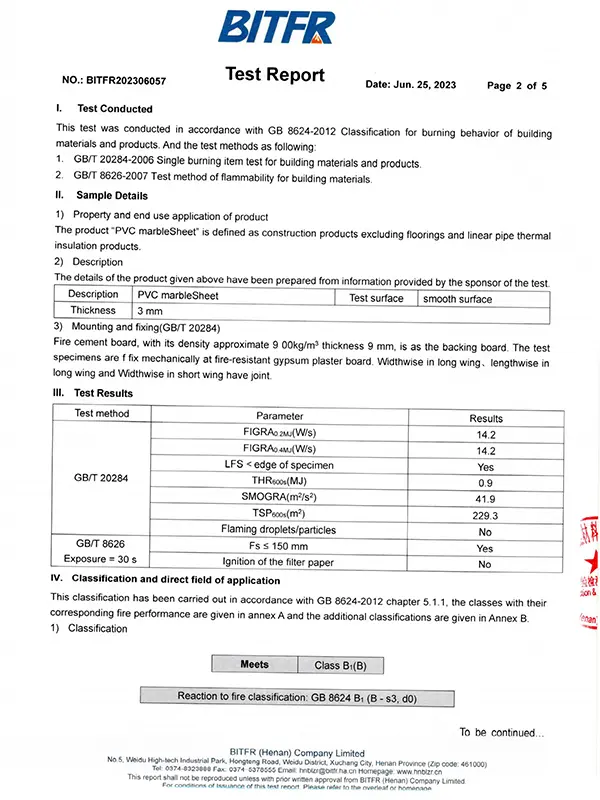
| PVC UV Marble Sheet | 40% High Grade PVC Resins + 58% Ultra-fine CaCO3 + 2% Additives | < 4.2 x 10^-5 / °C | Fire Rating Class B1 (GB8624-2012), Waterproof | Hotel lobbies, shopping centers, elevator car interiors, wet zones. |
| PU Stone Replicas | 100% High-Density Rigid Polyurethane Cellular Foam | < 3.5 x 10^-5 / °C | Thermal Insulation Coefficient R-Value > 2.5 | Exterior thermal-barrier wall cladding, rustic interior accents. |
| WPC Co-extruded Panels | 50% Purified Wood Fibers + 40% Recycled HDPE + 10% Coupling Agents | < 2.8 x 10^-5 / °C | EN 13501-1 Fire Class B-s1, d0, Anti-Fungal ASTM G21 | Outdoor facades, decking platforms, moisture-exposed cladding. |
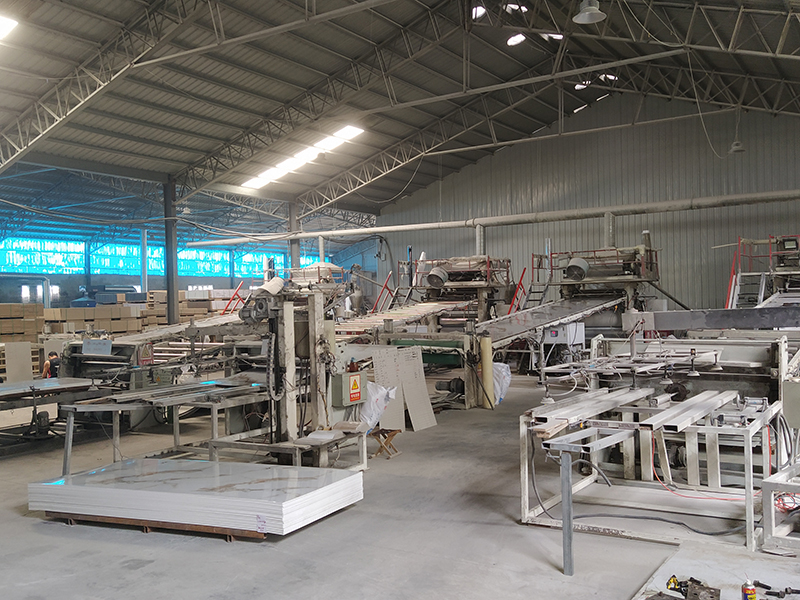
Our raw materials undergo strict quality screening. Our PVC UV marble sheets combine purified PVC polymer resins with calcium carbonate in a 40/58 matrix. This ratio provides structural rigidity and high impact strength, while maintaining the flexibility needed for clean cutting and crack-free installation.
For WPC products, our wood fibers are dried to a moisture content below 1.5% before compounding. This step reduces the risk of thermal expansion and biological degradation over the product's service life.
A detailed guide to securing composite panels to structural walls, ensuring mechanical reliability and long-term durability.
Ensure the base masonry wall is level and clean. For exterior installations, install a structural wood or metal frame (keel layout) spaced 300mm to 400mm center-to-center. This framework provides a ventilation cavity that helps manage moisture and prevents dampness behind the panels.
WPC panels expand and contract with temperature changes. Maintain a gap of 2mm to 5mm at the butt joints, depending on the ambient installation temperature. This gap prevents warping or bowing during seasonal temperature changes.
Secure panels using stainless steel clips inserted directly into the tongue-and-groove joint, then screw them to the framing. For indoor flat-wall PVC or PS installations, apply structural polyurethane adhesives combined with pneumatic pin-nails to ensure a secure bond.
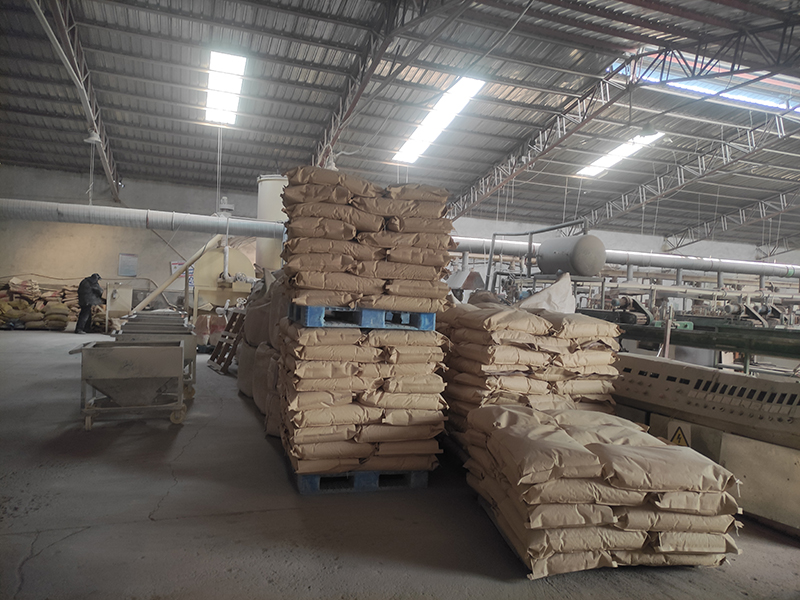
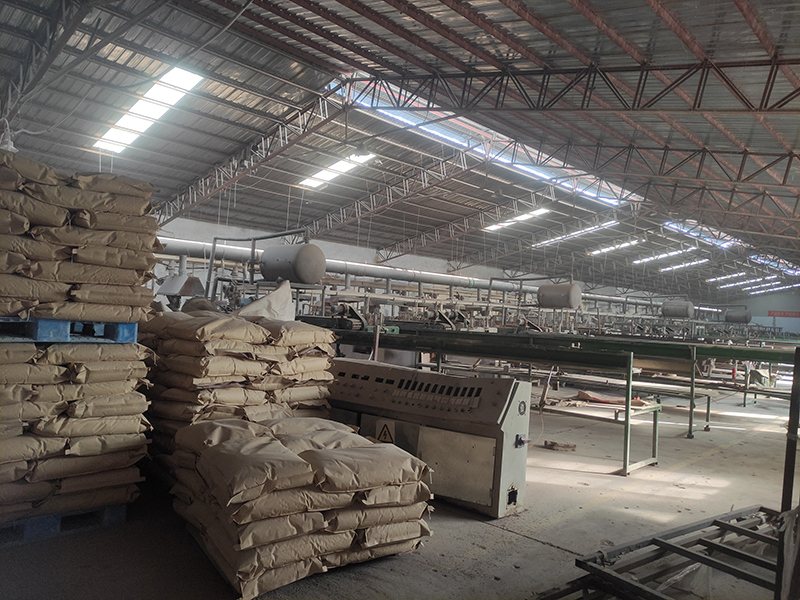
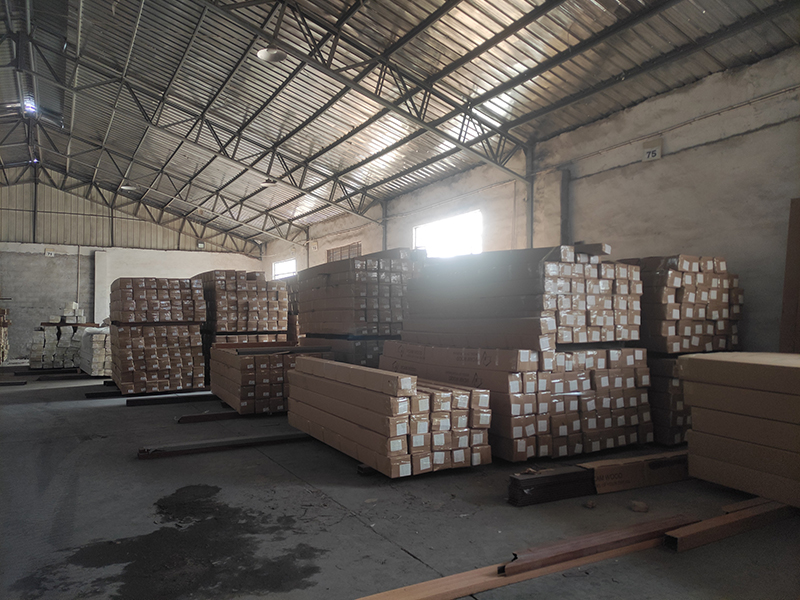
Our engineering roadmap focuses on sustainability, advanced polymer chemistry, and manufacturing efficiency.
We are refining co-extrusion technology by bonding a high-durability polymer layer (such as ASA) over the core composite matrix. This protective shield improves scratch resistance and shields the inner core from moisture and UV rays.
Our research and development team is working on plant-based bio-resins as alternatives to traditional petroleum plastics. This initiative aims to reduce carbon emissions during manufacturing, helping projects achieve green building certifications like LEED or BREEAM.
Our upcoming production lines will integrate advanced digital printheads directly into the extrusion system. This technology creates realistic textures that simulate natural wood grain and stone surfaces, matching the depth and feel of raw materials.
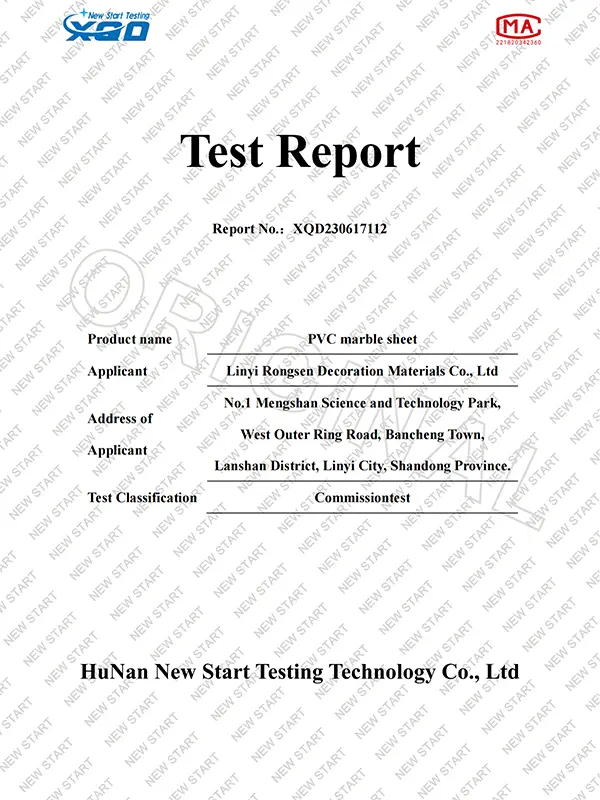
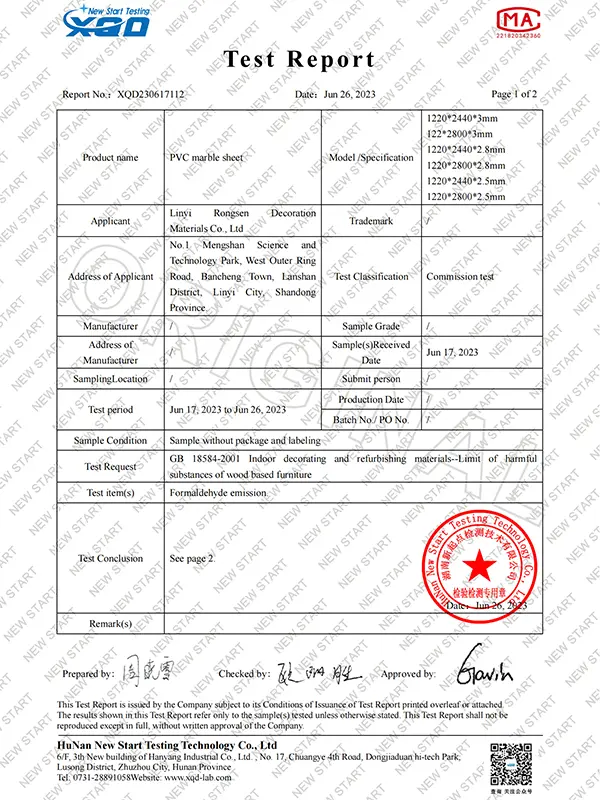
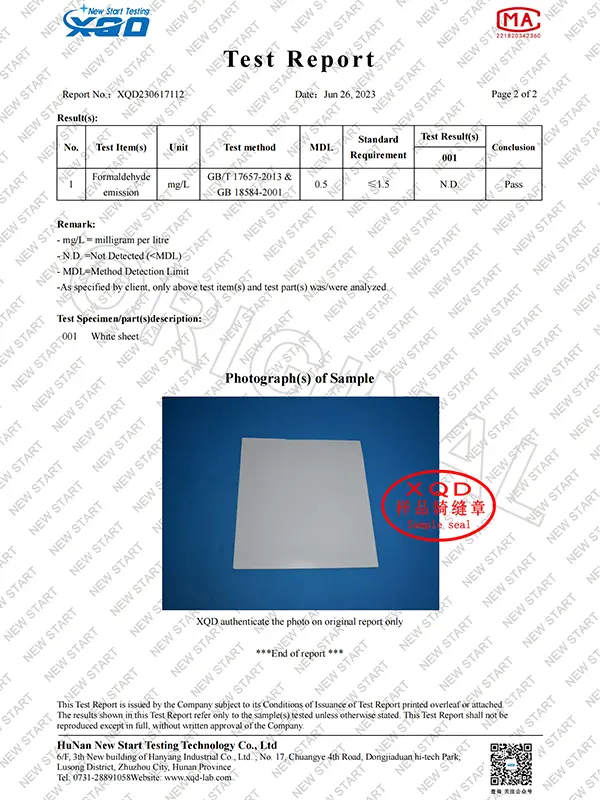
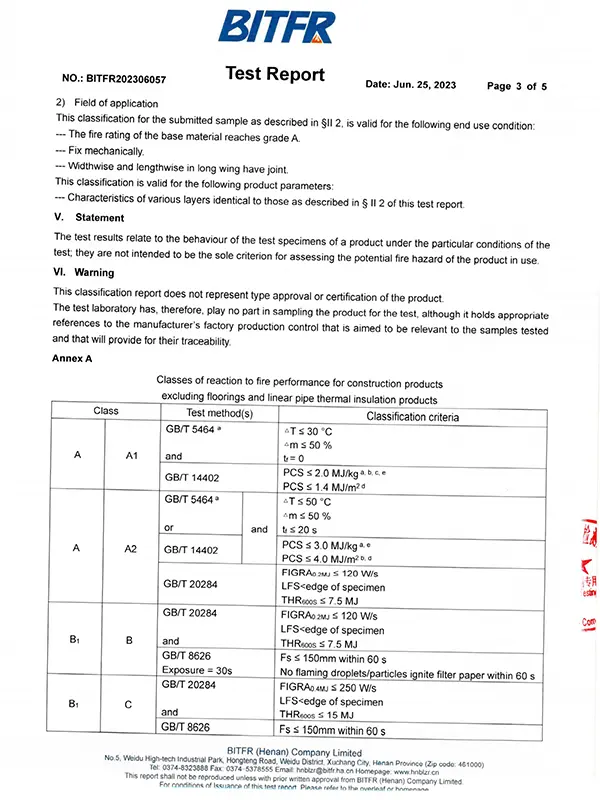
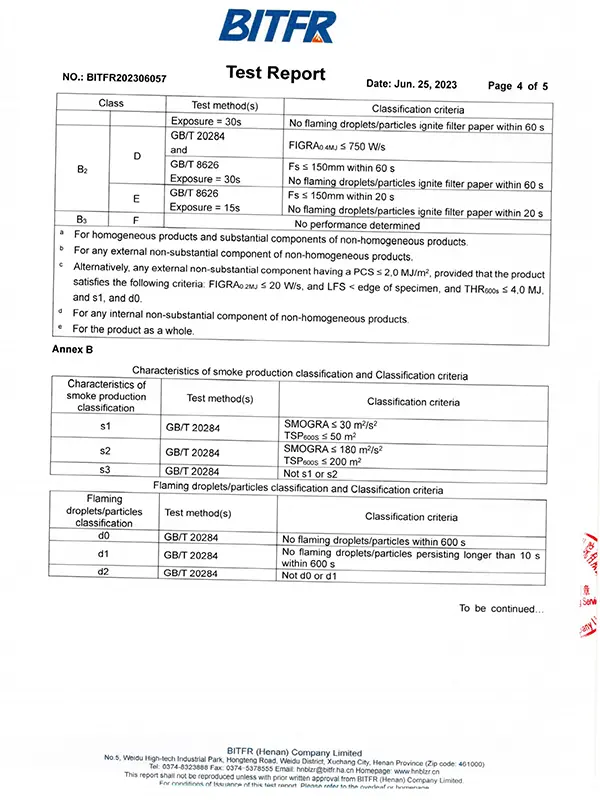
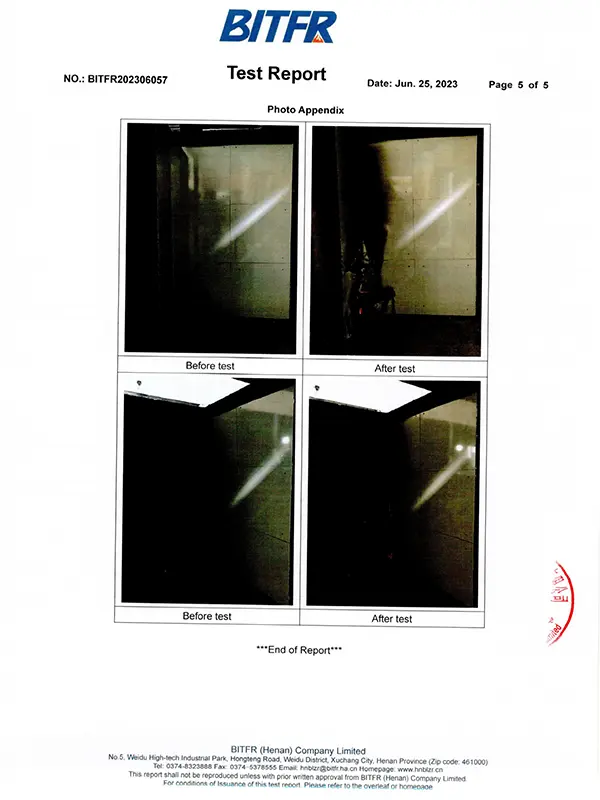
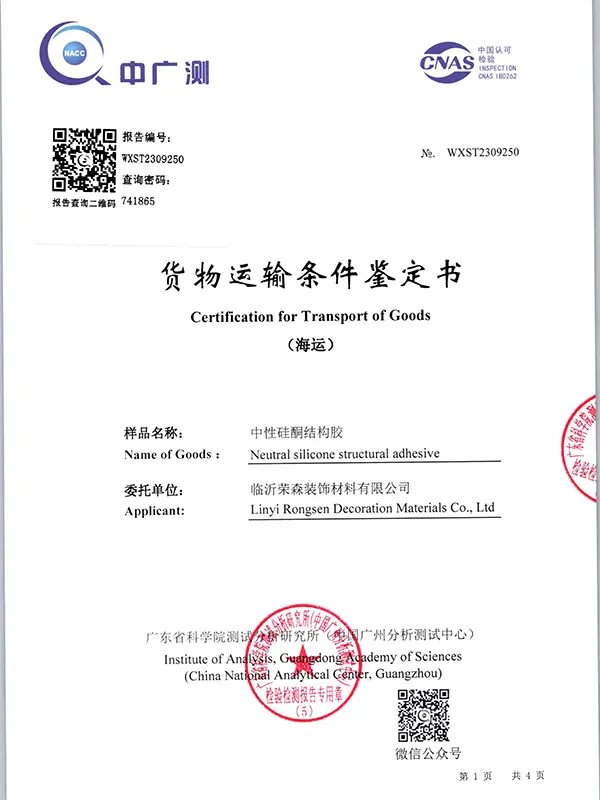
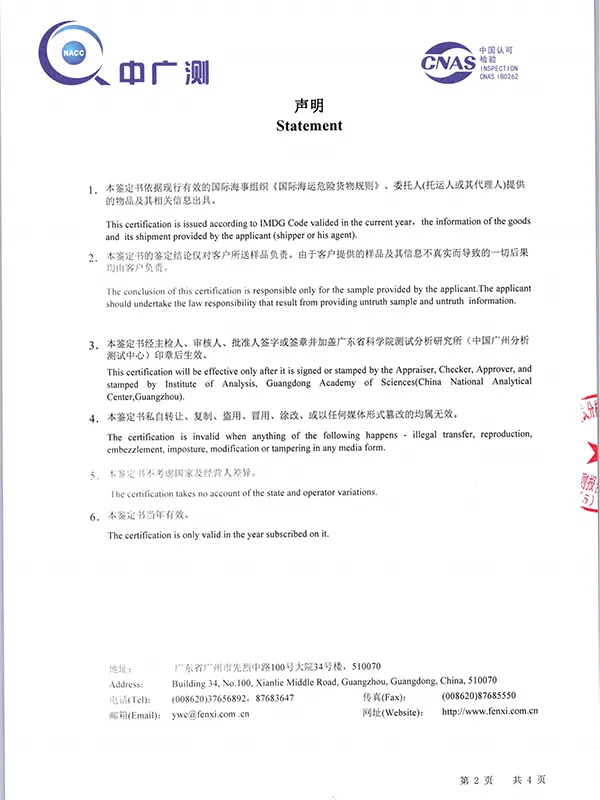
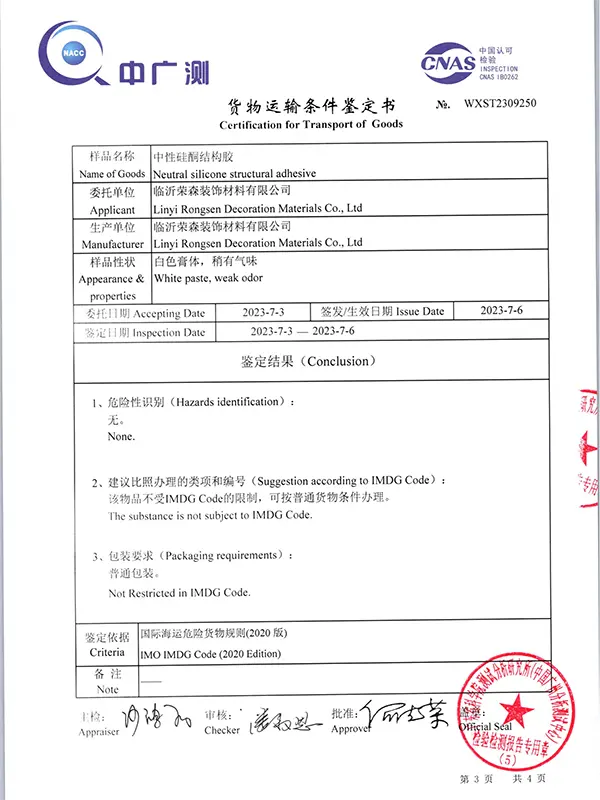
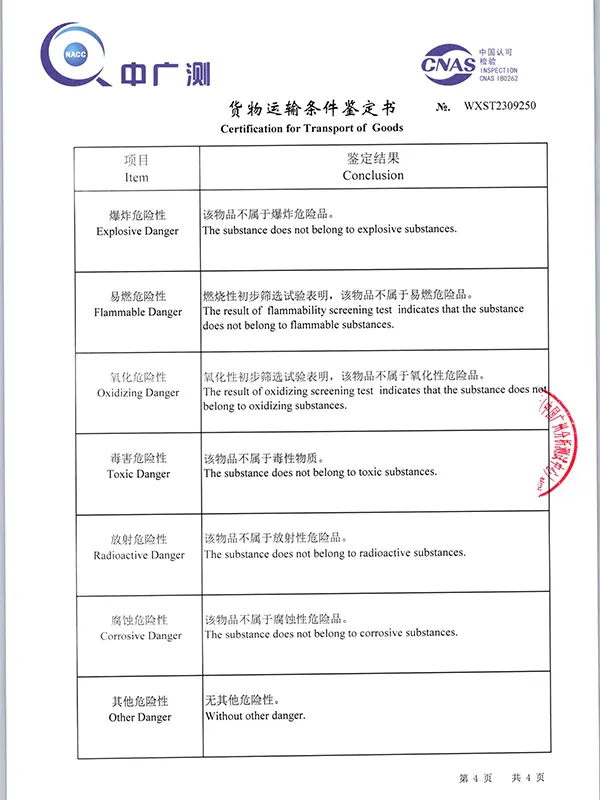
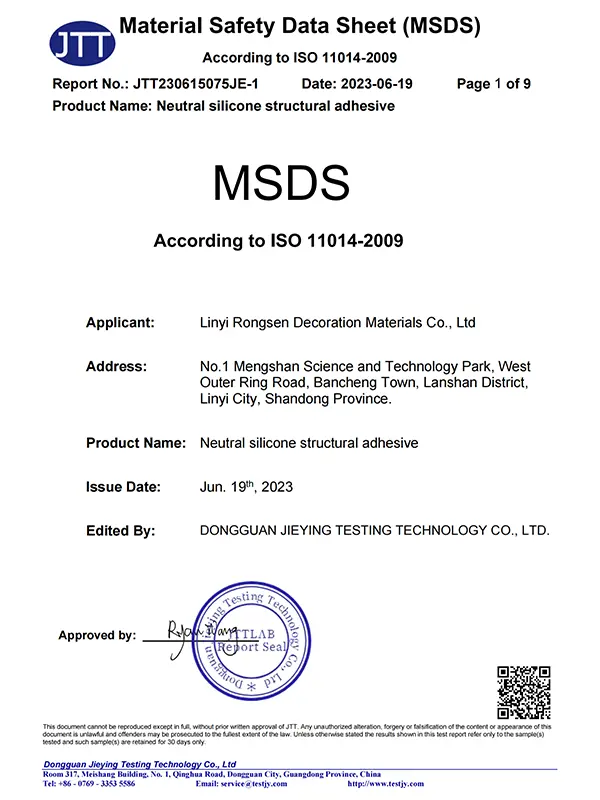
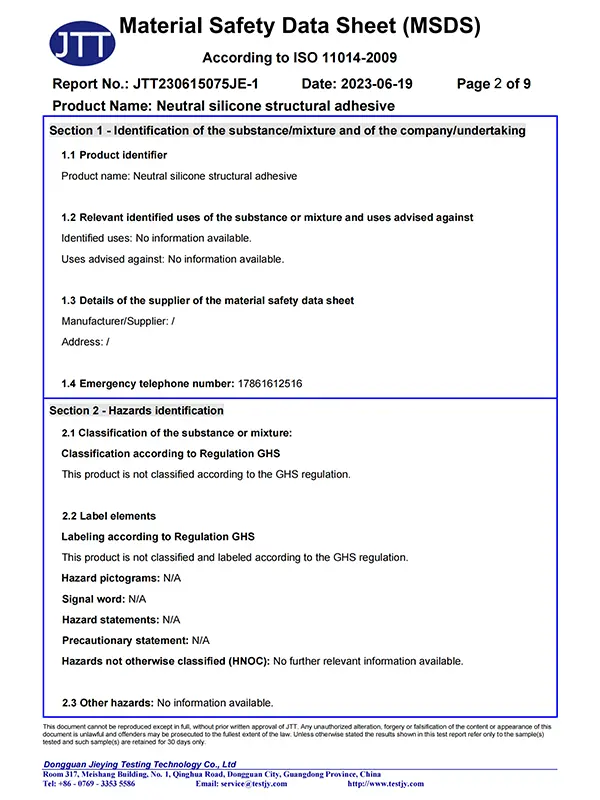
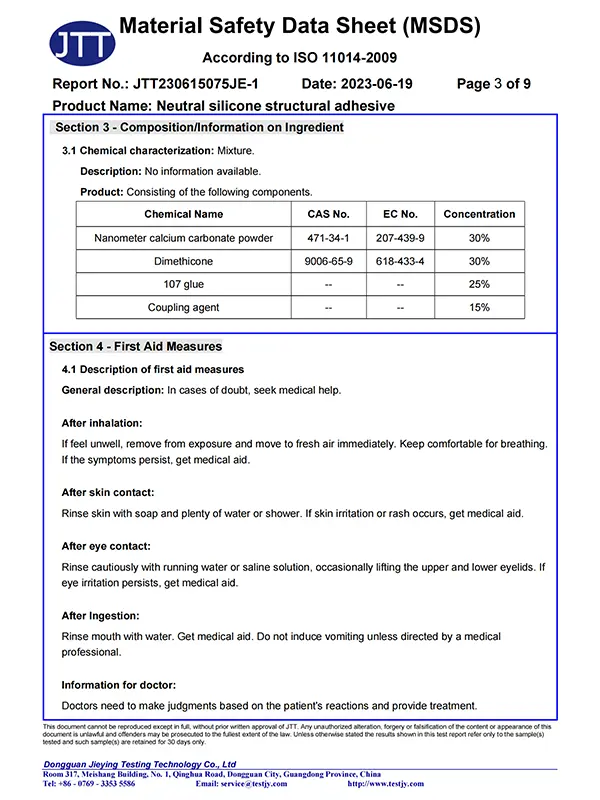
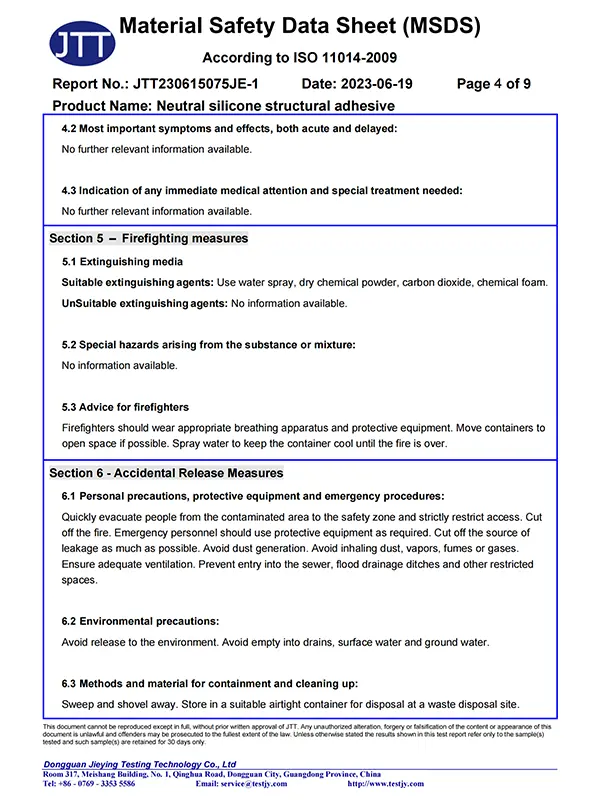
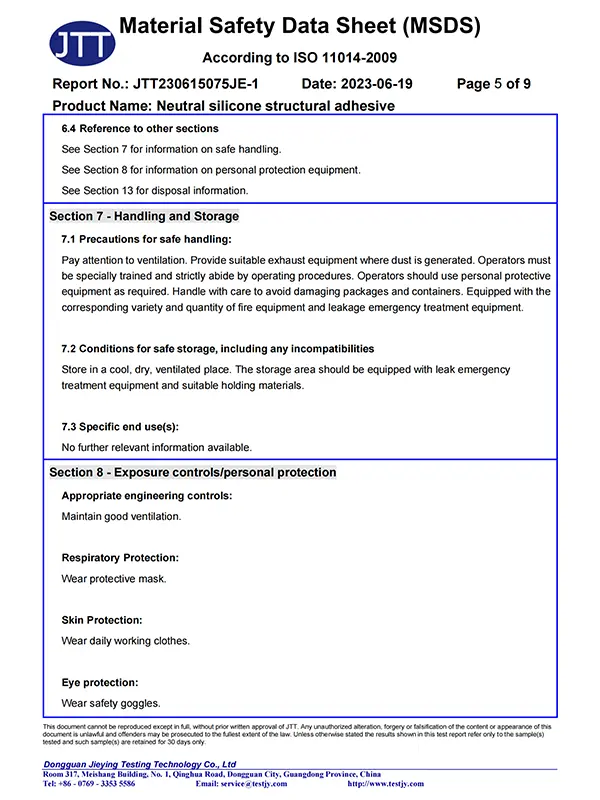
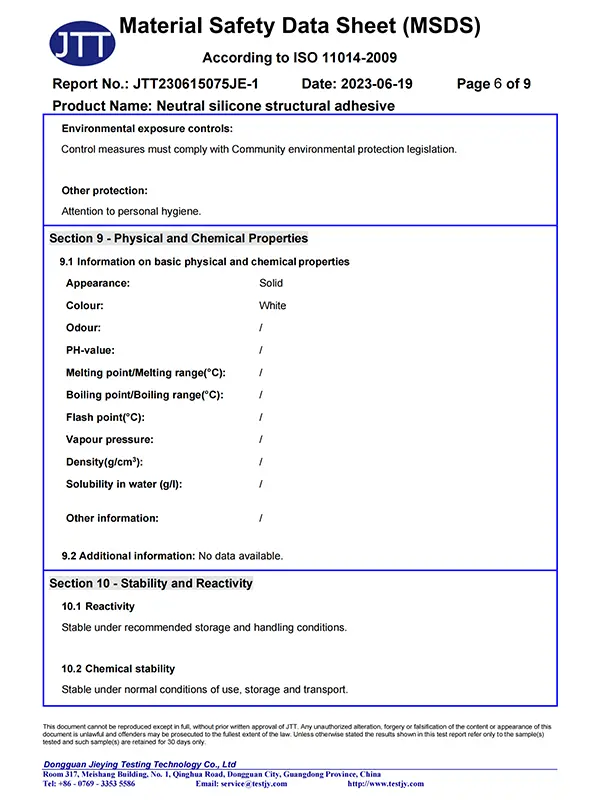
Our products undergo regular testing to meet strict environmental, mechanical, and safety standards globally.
Answers to common structural, environmental, and logistical questions for architects, distributors, and buyers.
WPC (Wood-Plastic Composite) combines thermoplastic resins (such as PE or PVC) with organic natural wood dust, fibers, or hulls. This structure provides high structural density and a natural wood feel. Standard PVC panels are made from polyvinyl chloride polymers, plasticizers, and stabilizers without organic wood particles, making them lighter and highly moisture-resistant.
Our outdoor composite materials are manufactured using high-stability UV absorbers, light stabilizers, and antioxidants mixed directly into the polymer blend. For high-exposure environments, our co-extruded panels feature a protective outer shield that blocks ultraviolet rays, helping maintain color stability.
Our interior decorative panels, including the PVC UV marble panels, achieve a B1 fire-retardant rating. According to international standards like GB8624 and EN 13501-1, B1 material is flame retardant; it resists combustion and self-extinguishes within seconds when the heat source is removed.
Yes, we provide full OEM and ODM services. Our tooling and R&D departments can design custom steel extrusion molds based on your architectural CAD drawings. Sample mockups can be prepared for testing within 10 to 15 working days.
Indoor WPC decorative panels are protected from harsh weather and typically last over 20 years with minimal maintenance. Outdoor co-extruded panels, which are engineered for weather resistance, have an expected service life of 10 to 15 years depending on local UV index levels and temperature variations.
Yes, our composite panels are manufactured using a dry-extrusion physical forming process that does not require formaldehyde-based adhesives. They achieve E0 and E1 interior air quality ratings, making them suitable for public schools, healthcare facilities, and residential projects.
Linyi is one of China's largest freight hubs. Our location connects us to regional container ports like Qingdao. This proximity allows us to secure domestic freight options and shipping schedules, reducing transport times compared to inland facilities.
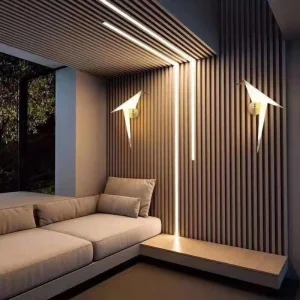
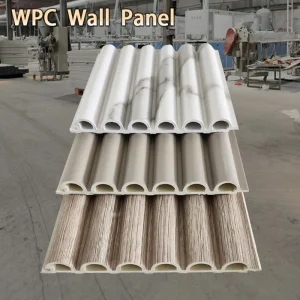
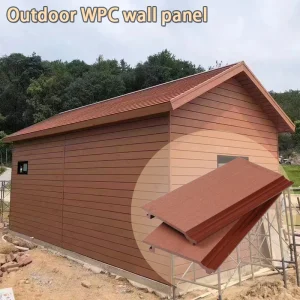
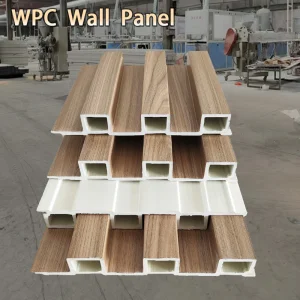
Explore our specialized products, including high-gloss print layers, outdoor composite siding, and modular partition options.
Contact our sales engineering team for detailed quotes, custom manufacturing inquiries, or to request physical material samples. We work with commercial clients worldwide, offering support with international logistics and trade compliance.
 Rongsen