Direct factory access to premium wall panels, architectural column linings, and ceiling profiles engineered by Rongsen Decoration Materials.
Years Production Experience
Exporting Regions & Countries
Production Line Operations
Formaldehyde Level (E0 Compliant)
Wood-Plastic Composite (WPC) material represents one of the most significant engineering breakthroughs in contemporary interior design. Initially developed as a weather-resistant exterior decking option, structural and aesthetic WPC formulations have rapidly penetrated the interior design domain. In particular, indoor WPC columns and decorative vertical pillars have emerged as the standard solution for covering structural concrete columns, framing utility shafts, and defining architectural zones.
As global commercial markets emphasize environmental certifications such as LEED and BREEAM, traditional plasterboard and solid wood materials struggle to balance structural resilience, design versatility, and ecological footprints. High-precision indoor WPC columns from leading Chinese factories integrate recycled wood fibers with medical-grade PVC polymers. This synergy yields a composite that is completely insect-resistant, highly moisture-proof, and fire-retardant (Standard class B1), offering global commercial spaces a robust architectural medium.
"The shift toward modular, dry-wall engineering systems is driving the demand for pre-engineered WPC structural components. Designers no longer seek raw lumber; they demand pre-formed, highly stable architectural columns that minimize on-site labor and eliminate VOC exposure."
When sourcing WPC architectural elements globally, Linyi City in Shandong Province stands out as the supreme industrial node. Officially designated as the "Logistics Capital of China", Linyi houses an expansive manufacturing ecosystem that handles everything from basic wood fiber refining and polymer compounding to high-capacity profile extrusion.
Linyi Rongsen Decoration Material Co., Ltd. leverages this strategic regional concentration to control raw material sourcing and logistics costs. Positioned close to major deep-water ports (such as Qingdao Port and Lianyungang Port), our factory reduces maritime transit dispatch times by up to 20% compared to inland domestic competitors. This integrated infrastructure ensures that bulk production orders are dispatched through an optimization loop that reduces transit friction and secures container transport capacities during peak export seasons.
Evaluating the raw structural integrity of interior materials requires examining technical metrics. Indoor WPC columns outshine competing building systems across thermal expansion indices, humidity-induced swelling rates, and shear strength values.
| Performance Metric | Traditional Timber | Fiber Cement board | Rongsen Indoor WPC Column |
|---|---|---|---|
| Formaldehyde Emission | Highly variable (depends on sealants) | Zero (Low VOC) | E0 Class Certified (≤0.050 mg/m³) |
| Fire Hazard Level | Class D/E (flammable) | Class A1 (non-combustible) | Class B1 (Flame Retardant, Self-extinguishing) |
| Water Absorption & Swell | High (8% - 15% dimensional shift) | Medium (absorbing moisture) | Negligible (<0.5% after 24h immersion) |
| Flexural Elastic Modulus | Variable by species (10 GPa average) | 8 GPa | High Structural Core (>12 GPa) |
| Installation Efficiency | Low (requires sanding, varnishing, curing) | Medium (requires heavy framing) | Ultra-High (Interlocking modular tongue-and-groove) |
Interior design demands vary by location, requiring versatile architectural systems. Indoor WPC columns and fluted boards cater to specific, demanding environments:
In hotel lobbies and corridors, columns withstand high physical contact. Our impact-resistant co-extruded layers prevent scuffing and indentation.
E0 compliance and resistance to chemical disinfectants make our WPC profiles ideal for hospitals, preventing fungal and bacterial growth.
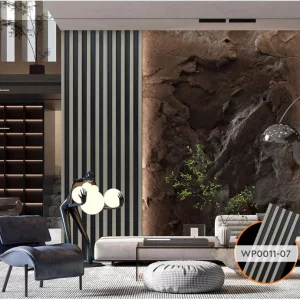
Delivers the warmth of real timber with modern textures, framing home theater pillars and partition walls without cracking or fading.
Linyi Rongsen Decoration Material Co., Ltd. represents the synthesis of industrial reliability and decorative artistry.
We operate on absolute transparency. Our business partners receive consistent raw material profiles, precise lead-time updates, and guaranteed grade standards.
Having managed complex regulatory and customs environments across dozens of countries, we ensure rapid, document-compliant customs clearances.
Our multi-stage QA inspection protocols monitor heat stability, flexural limits, and thickness tolerances at every production stage.
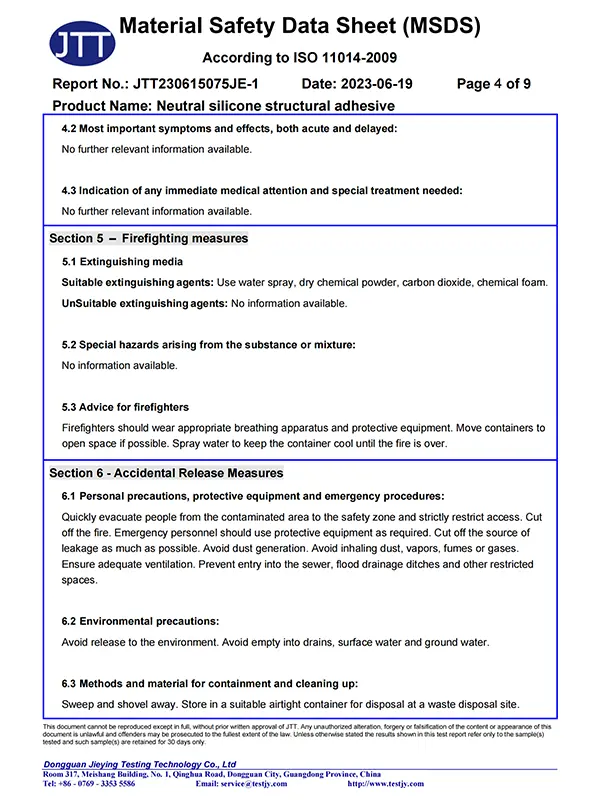
Our commitment to reliable manufacturing is backed by rigorous independent testing. Rongsen products comply with strict ISO, SGS, and CE standards, guaranteeing safety, performance, and environmental compliance for global construction markets.
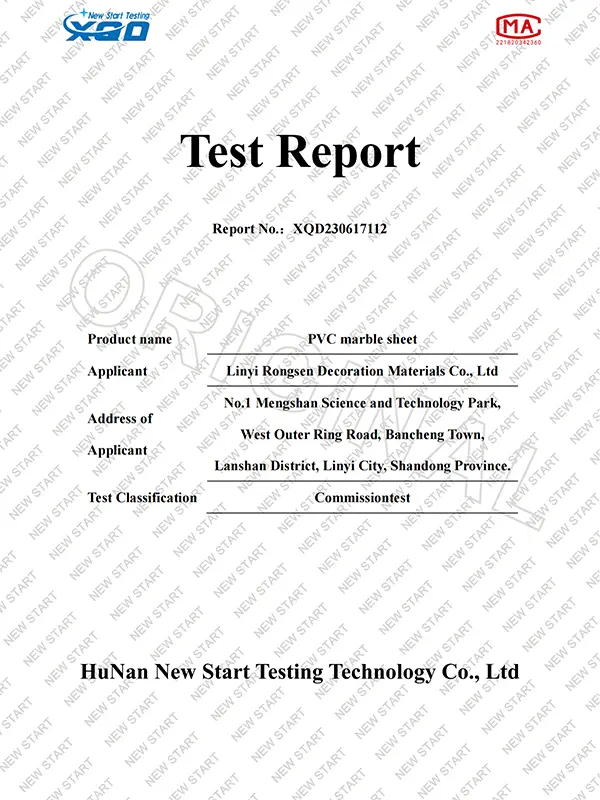
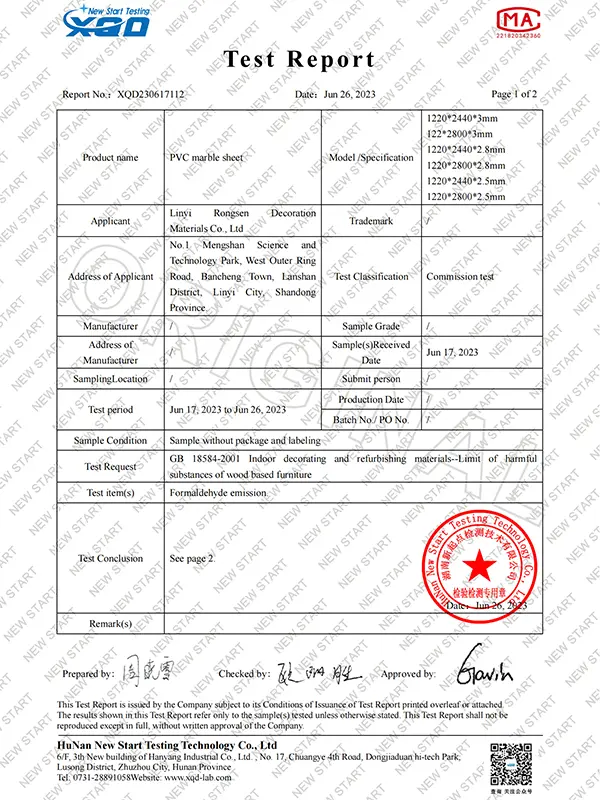
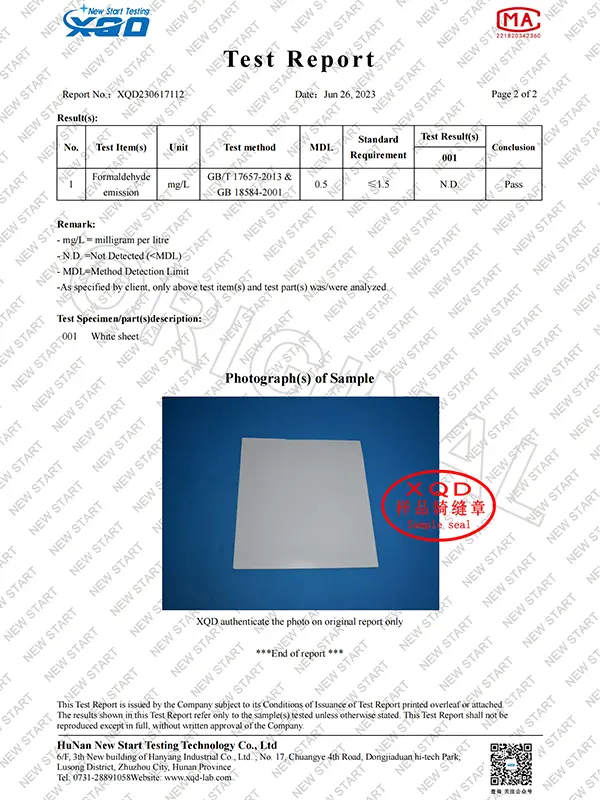
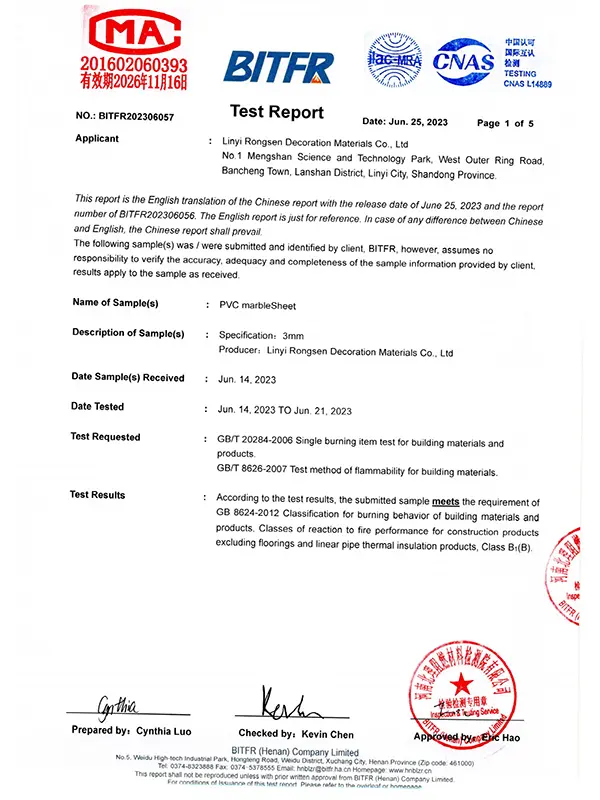
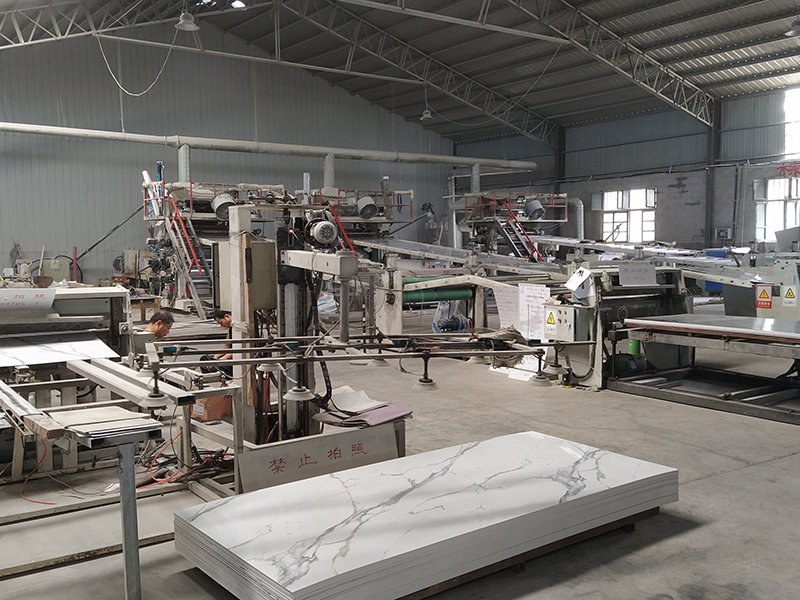
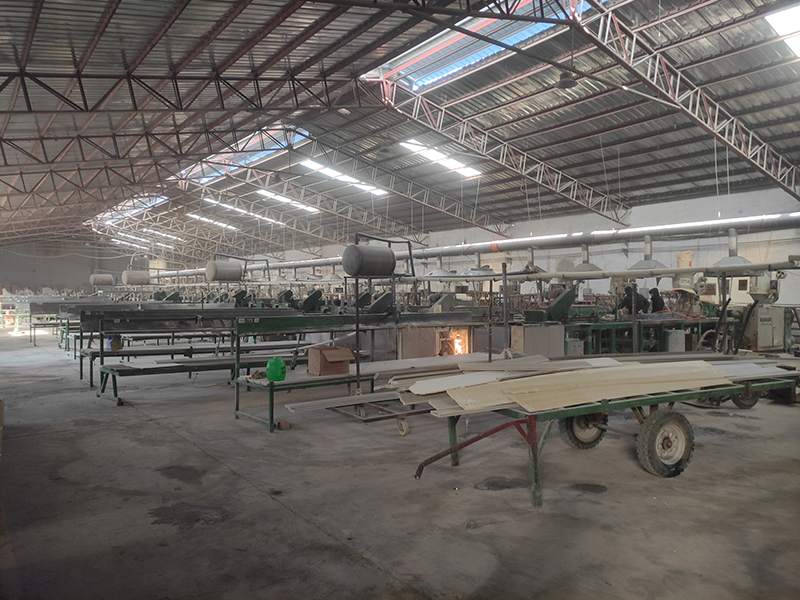
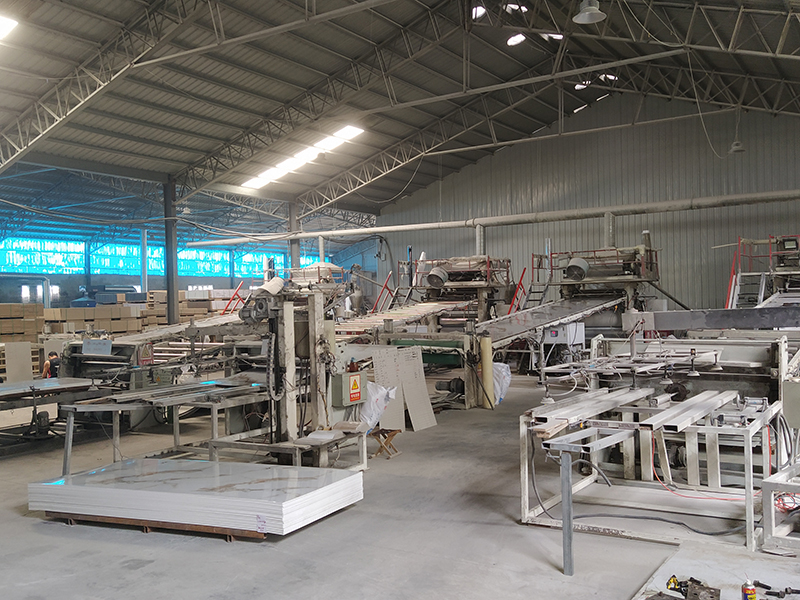
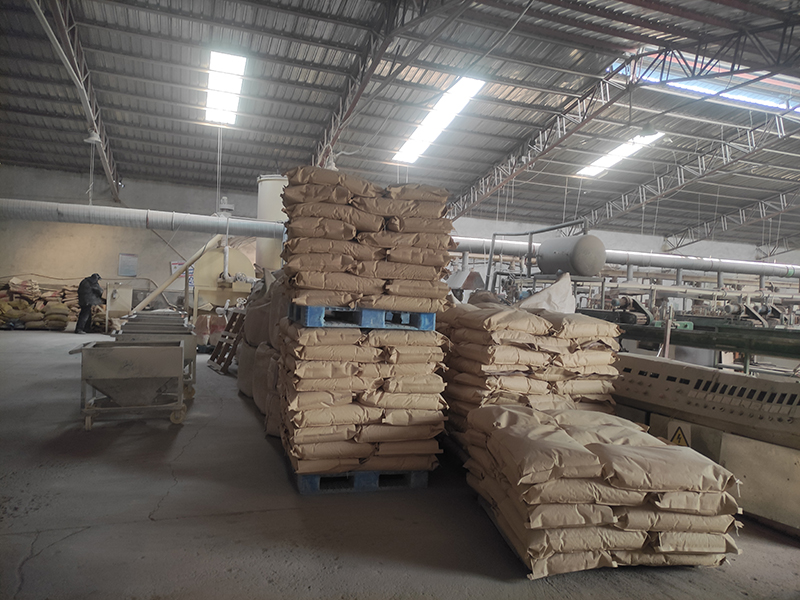
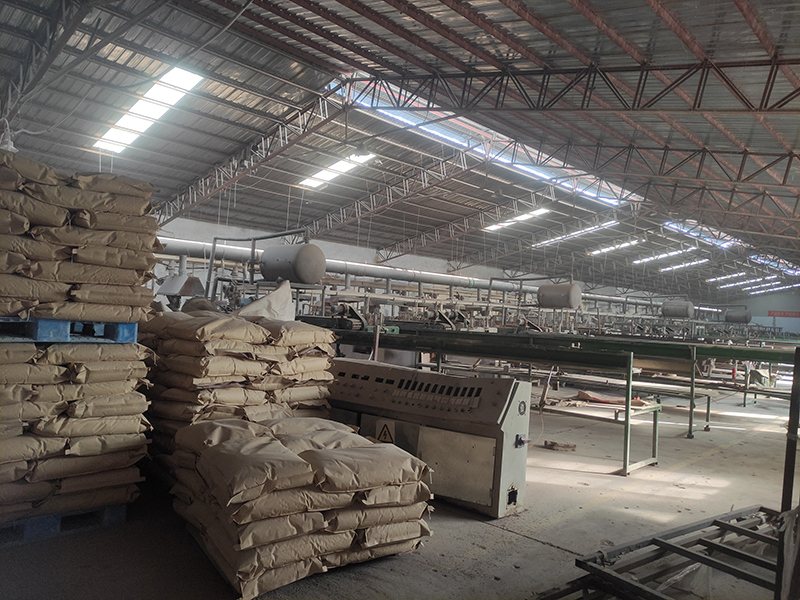
Our state-of-the-art facility integrates advanced twin-screw extruders and automated co-extrusion technology, ensuring structural integrity and precise aesthetics.
Sourcing architectural polymers from China requires checking specific technical and logistical checkpoints. Use this five-point validation roadmap before committing to container-level WPC purchases:
1. Wood-to-Polymer Ratios: The standard balance for interior products is 60% wood fiber, 30% polymer matrix, and 10% essential processing additives. Changes to this ratio can impact mechanical strength or increase thermal expansion risks.
2. Fire Code Compliance: Confirm the supplier provides verified ASTM E84 or EN 13501-1 testing data. Class B1 classification is necessary for most public commercial applications.
3. UV and Fading Resistance: Interior spaces exposed to strong sunlight require UV-stabilized formulations. Ask for accelerated weathering test metrics to ensure long-term color stability.
4. Precision Interlocking: High manufacturing tolerances (±0.5mm or better) are vital for seamless column installation. Request profile sample pieces to check joint tightness before placing bulk orders.
High-grade indoor WPC columns, such as those made by Linyi Rongsen, have an operational lifespan of over 20 years in indoor conditions. Unlike solid wood, they resist moisture damage, cracking, and termite damage.
We use premium PVC resins and clean wood flour, avoiding scrap wastes that may contain urea-formaldehyde glues. Our production is regularly audited by independent labs to verify emissions remain well below the E0 threshold (≤0.050 mg/m³).
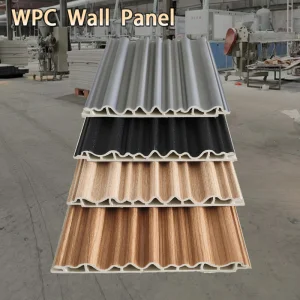
Yes. We offer custom design options including hot stamping, film laminating, and co-extrusion embossing. This allows us to match specific wood grains, metallic finishes, or solid colors required by project designers.
Standard MOQ is usually one 20ft container to optimize shipping costs. However, we can supply mixed product loads—combining WPC columns, ceilings, and UV sheets—for first-time verification trials.
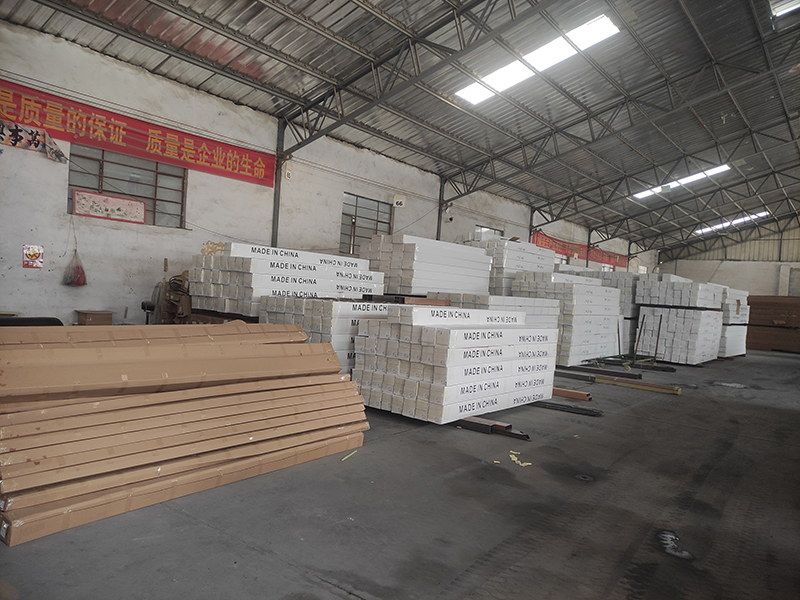
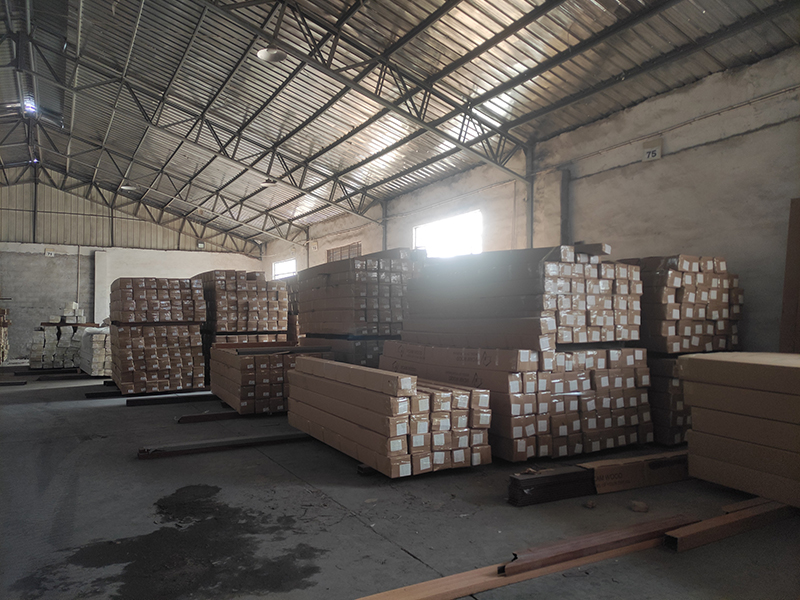
We use protective PE films on the finished surface of each profile. The profiles are then packed in durable export-grade cartons and secured on solid wood pallets to prevent shifting during transit.
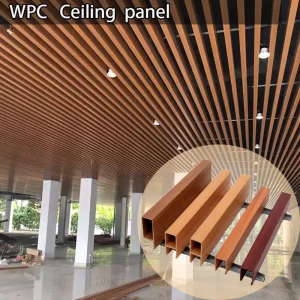
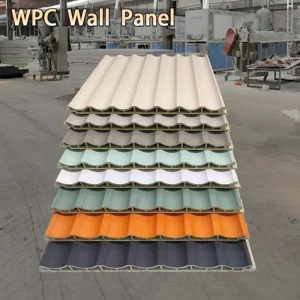
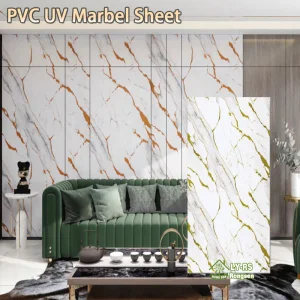
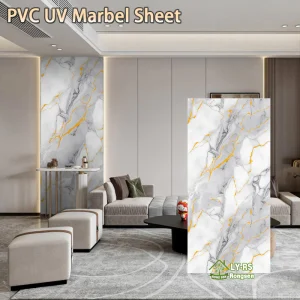
Expand your sourcing list with coordinated interior cladding, luxury gilded designs, and heavy-duty structural profiles.
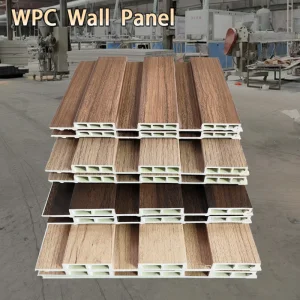
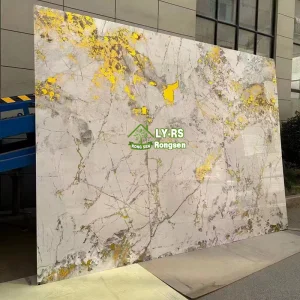
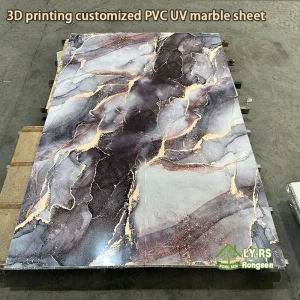
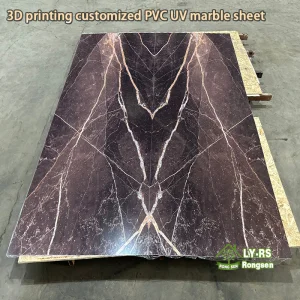
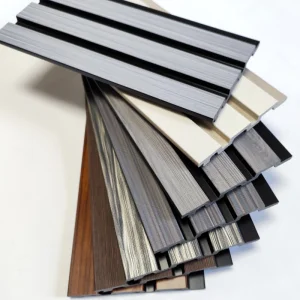
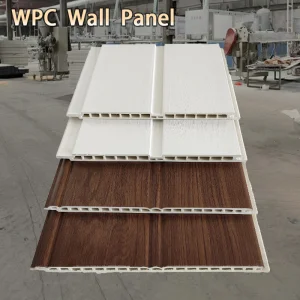
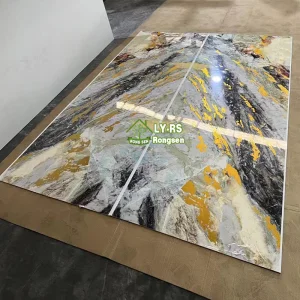
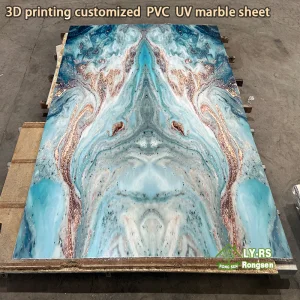
Contact Linyi Rongsen for custom color profiles, material samples, and factory-direct volume pricing.
 Rongsen