Explore our core selection of high-performance indoor WPC wallboards and high-durability surface finishes, designed for modern global architecture.
An In-Depth Whitepaper on Indoor Wood-Plastic Composite (WPC) Wallboard Dynamics and Factory Selection Criteria
In modern sustainable architecture, the demand for high-performance interior cladding has shifted dramatically from traditional timber and drywall assemblies to high-engineered composites. Wood-Plastic Composite (WPC) indoor wallboard has emerged as the definitive system for projects requiring high aesthetic value, low carbon footprint, and minimal lifecycle maintenance.
Globally, procurement profiles differ by geographical region and regional building codes:
"The integration of thermoplastic polymers with refined lignocellulosic fibers creates a crystalline matrix that locks out moisture, prevents fungal growth, and mitigates the dimensional swelling typical of solid timber paneling."
Deep-seated expertise in composite extrusion engineering and high-efficiency supply chain management.
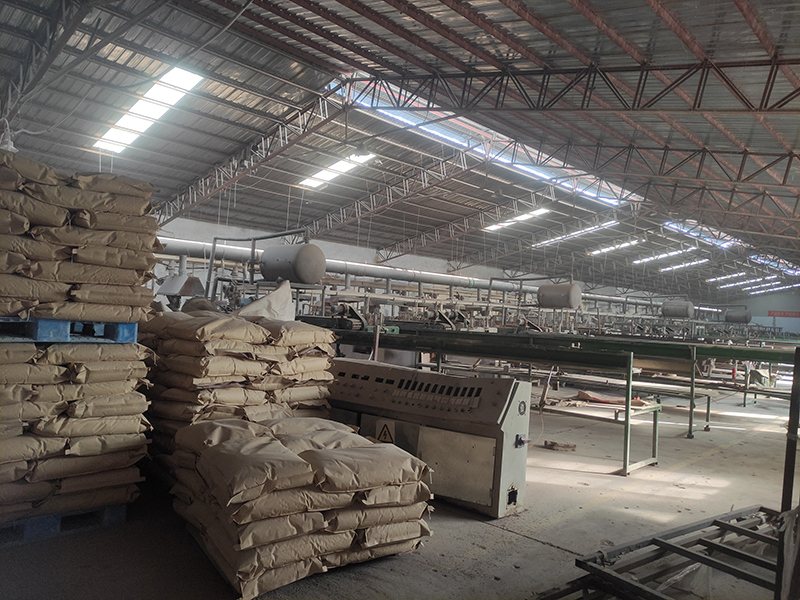
Located in Linyi, Shandong Province—widely acclaimed as the "Logistics Capital of China"—our factory benefits from unparalleled multimodal transportation access. Our geographical advantage provides seamless global connectivity through key marine export gateways like Qingdao and Lianyungang ports, reducing shipping turnaround times and stabilizing logistics costs for bulk shipments.
With specialized production lines and a highly calibrated quality assurance framework, we deliver structural and decorative building systems that meet rigorous international regulations. We bridge the gap between creative interior design and structural performance.
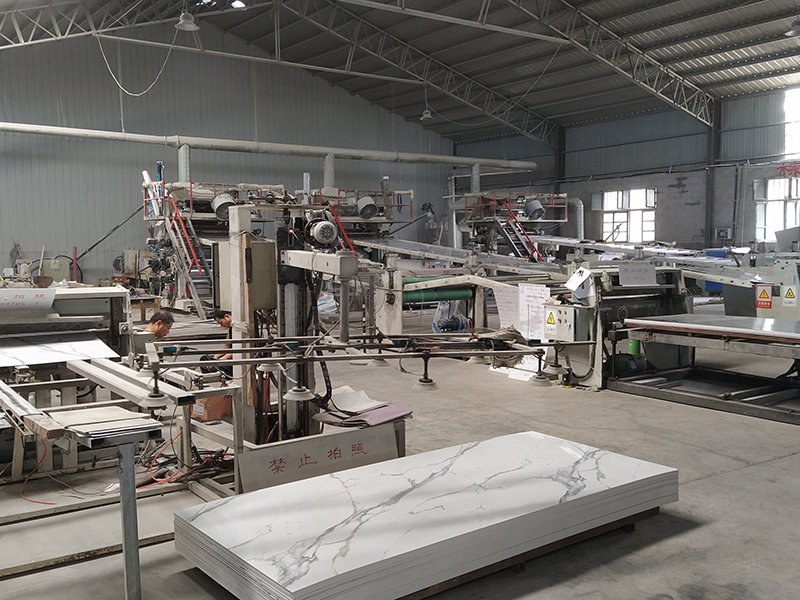
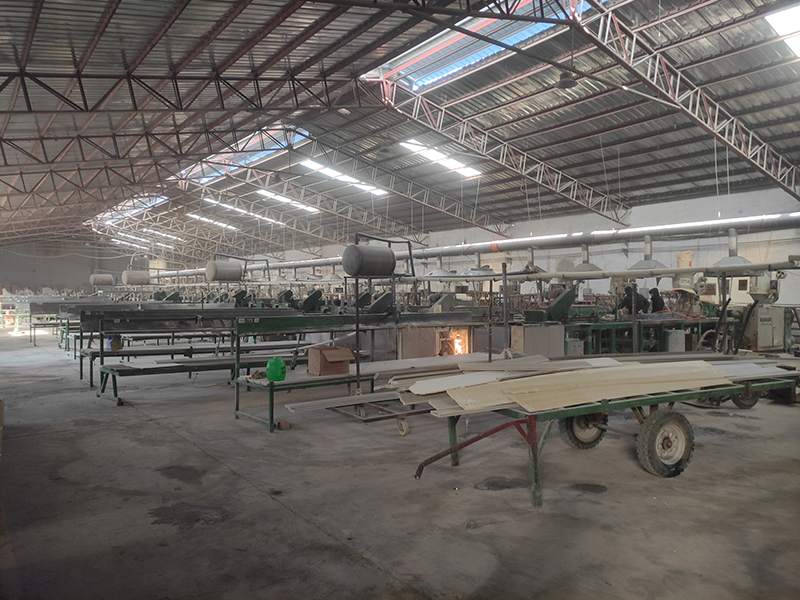
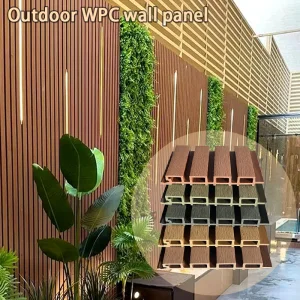
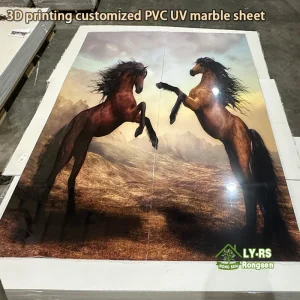
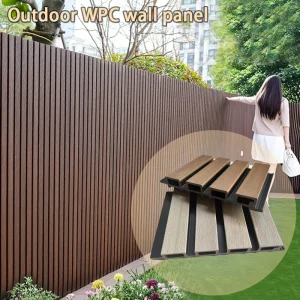
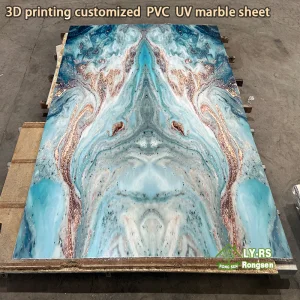
We boast a long history of production excellence. Our core specialties encompass PVC UV marble panels, PVC embossed panels, 3D printed backdrops, PS wall panels, WPC wall panels, PU stone wall panels, and structural decorative trims.
Guiding our enterprise are two non-negotiable principles: integrity and quality. We prioritize ethical sourcing and rigorous testing protocols to deliver panels that perform consistently under demanding high-traffic environments.
Our mature export team understands the intricacies of international customs, custom packaging requirements, anti-moisture container packing, and local certification compliance for hassle-free custom clearances.
Customer satisfaction drives our work. Our engineers provide detailed CAD layouts, profile drawings, installation manuals, and custom color-matching services to align with specific architectural requirements.
Every batch of WPC resin is subjected to melt flow index tests, moisture checks, and flexural loading evaluations. Our QA team monitors the extrusion speed and temperatures continuously to ensure straightness.
We cooperate with real estate developers, top-tier design institutions, building material importers, and commercial construction firms worldwide to create modern, healthy, and highly functional spaces.
WPC wallboard's mechanical stability is governed by the structural ratio of its composite materials. At Rongsen, we refine this balance to meet industrial-grade benchmarks:
| Property / Parameter | Standard Specification | Test Standard / Regulatory compliance |
|---|---|---|
| Base Composition | 40% High-Density PVC + 58% Natural Wood Fiber & CaCO3 + 2% Additives | Internal Formulation Quality Check |
| Formaldehyde Emission | ≤ 0.05 mg/m³ (E0 Class / Safe for immediate occupancy) | EN 717-1 / ASTM D6007 |
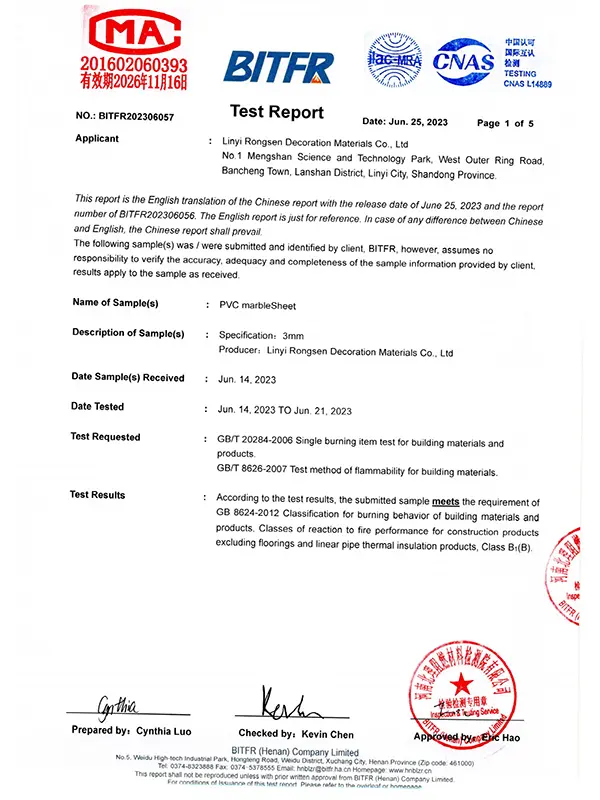
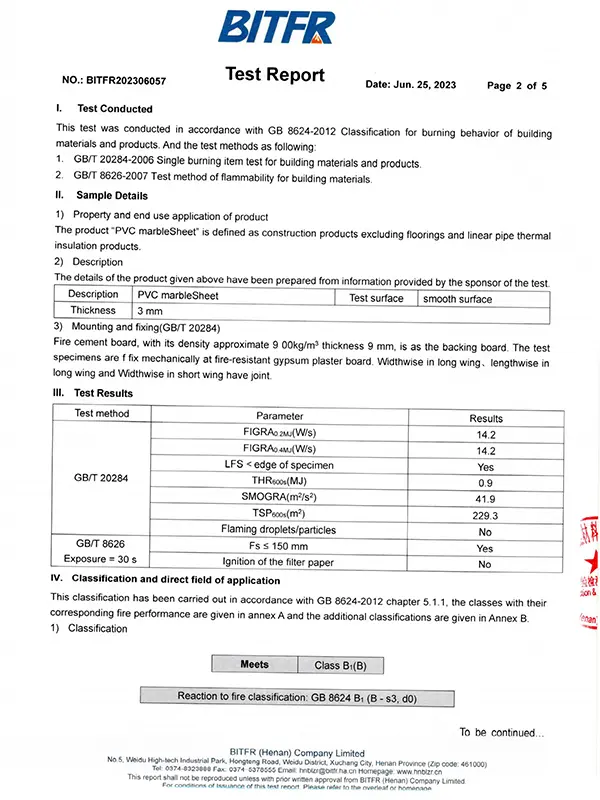
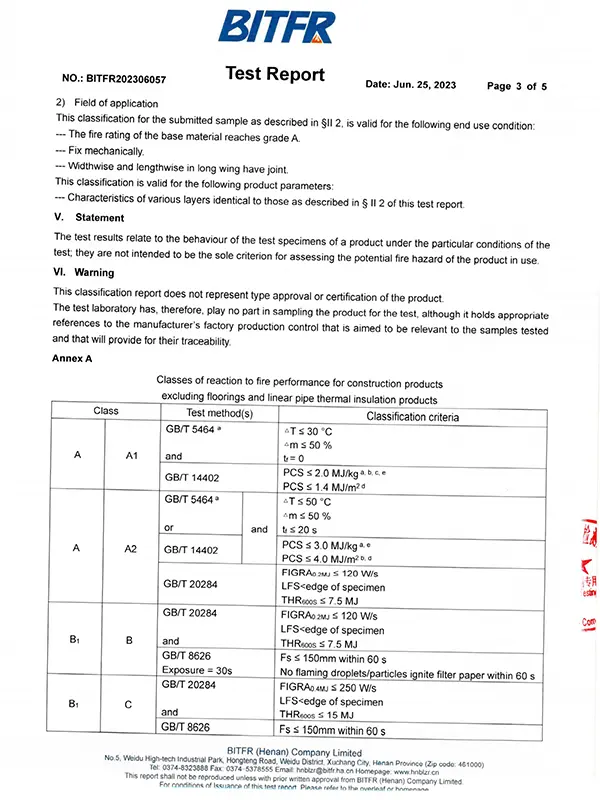
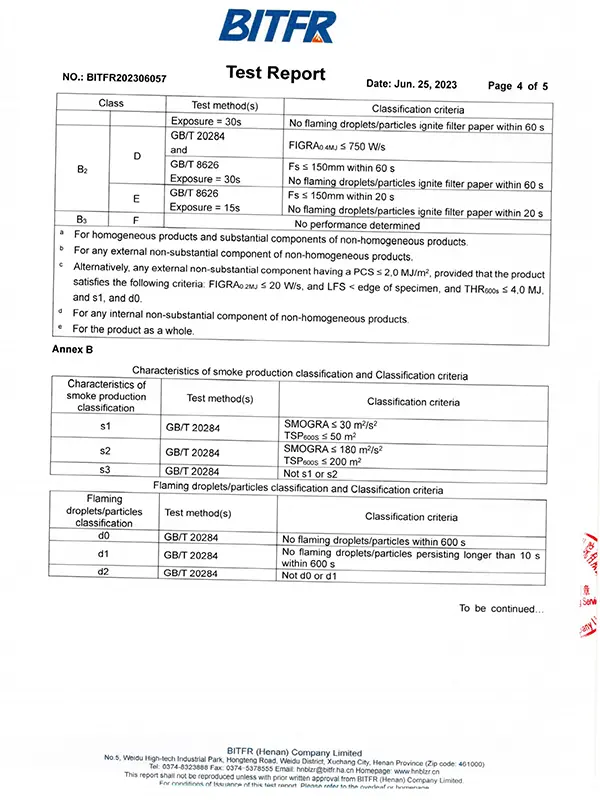
| Fire Retardancy | Class B1-s1, d0 (Flame Retardant, No Burning Droplets) | EN 13501-1 / GB/T 8624 |
| Water Absorption | ≤ 0.5% after 24-hour full immersion | ASTM D570 |
| Bending Strength | ≥ 20 MPa | ASTM D790 / EN 310 |
| Thermal Expansion | < 0.1% under temperature shifts from -20°C to +60°C | ASTM D696 |
The manufacturing process of high-grade WPC wallboards involves several critical phases:
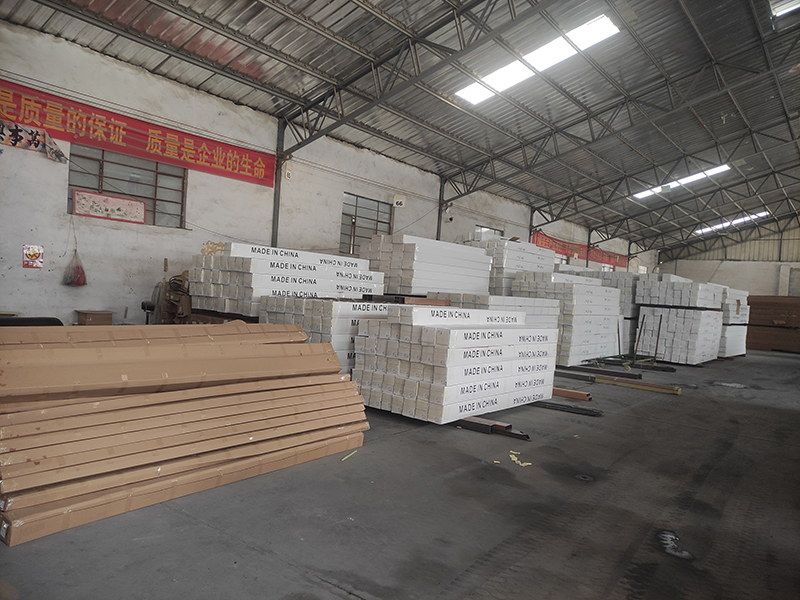
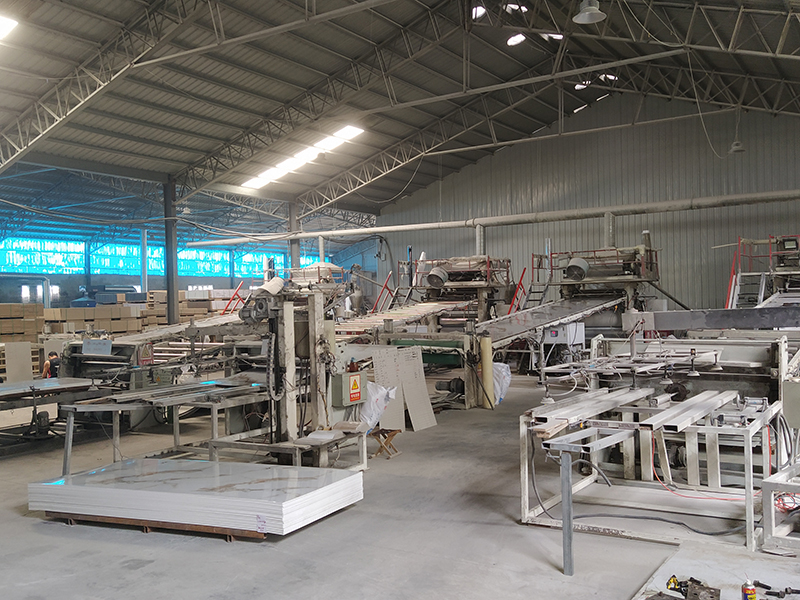
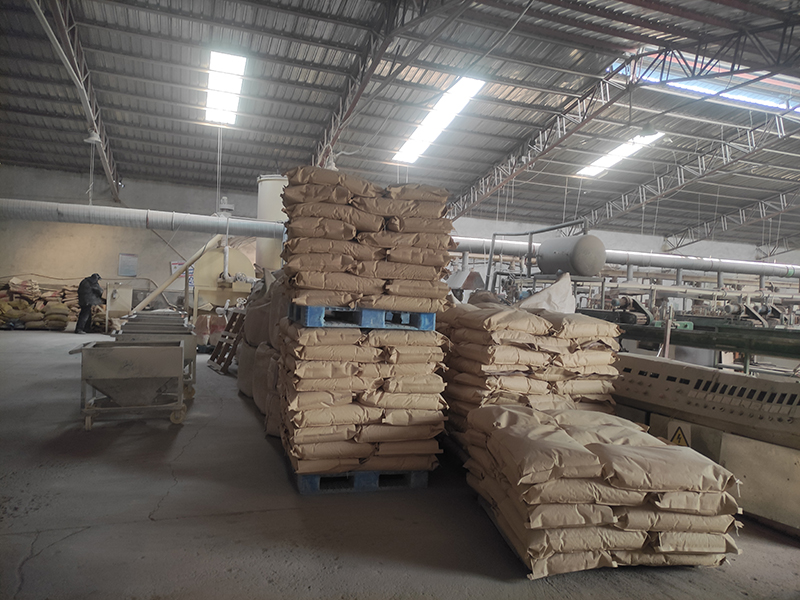
WPC wallboard is no longer confined to residential accent walls. It is widely specified in large-scale commercial developments:
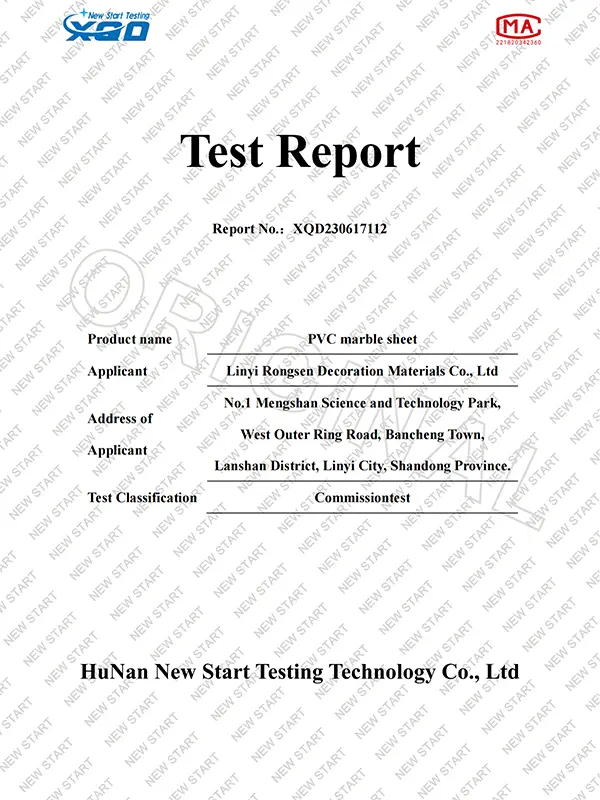
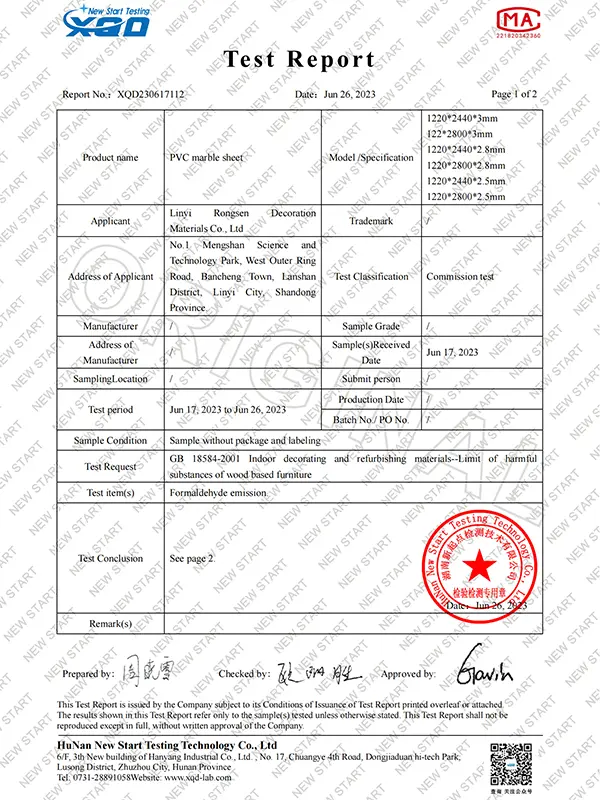
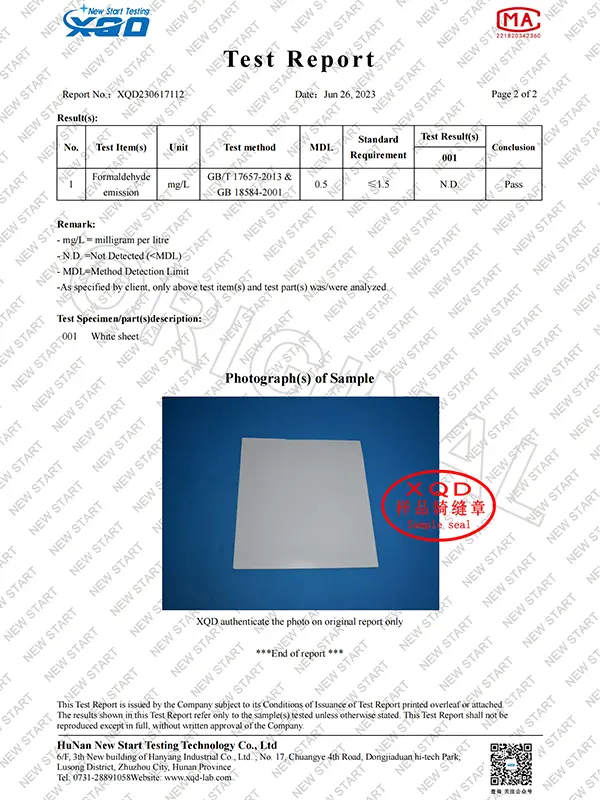
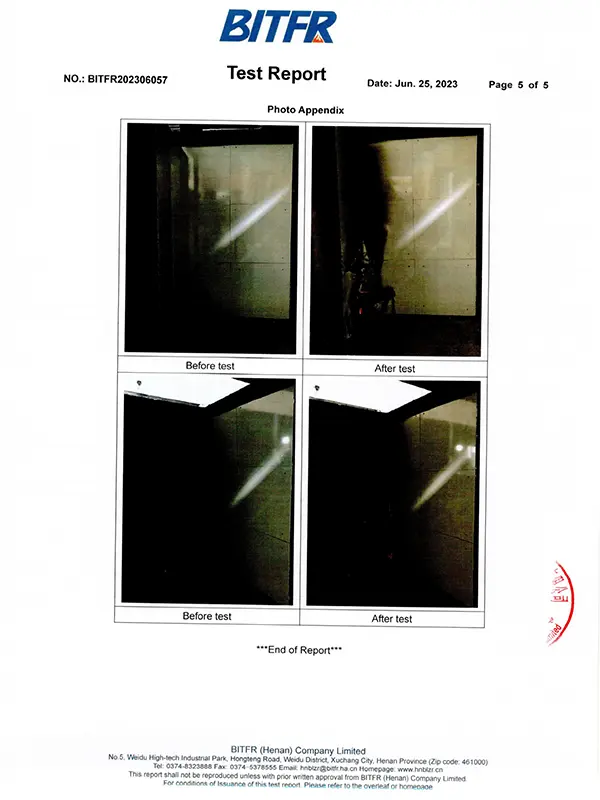
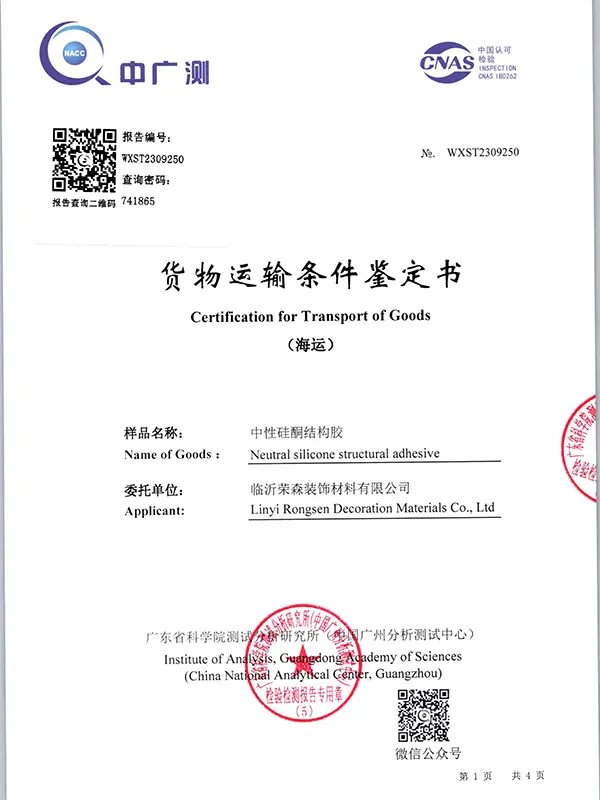
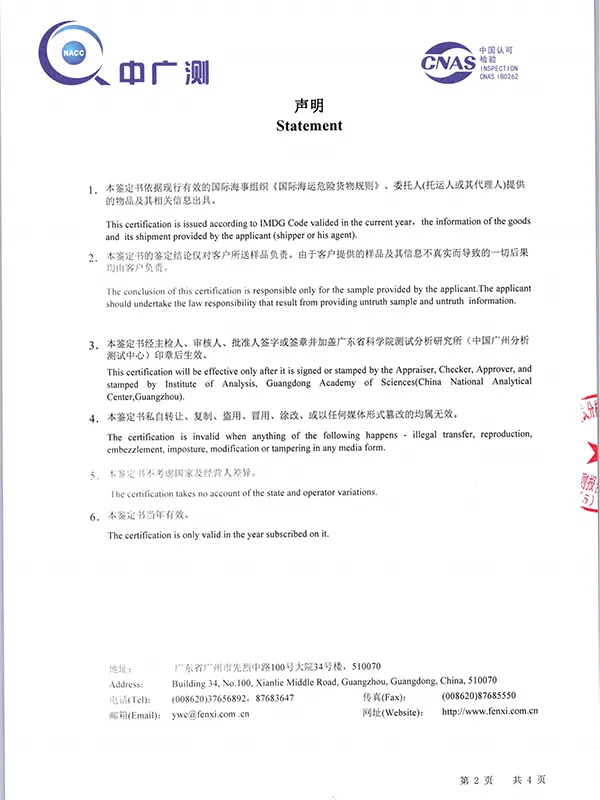
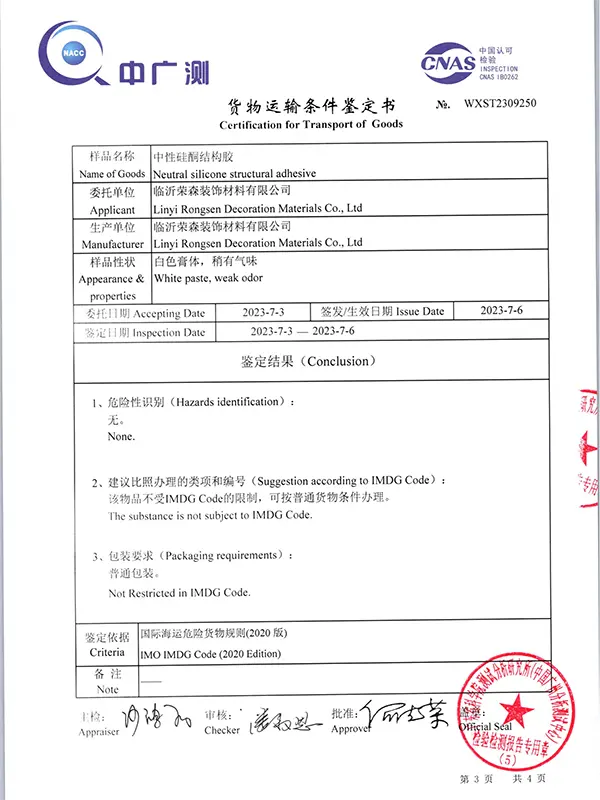
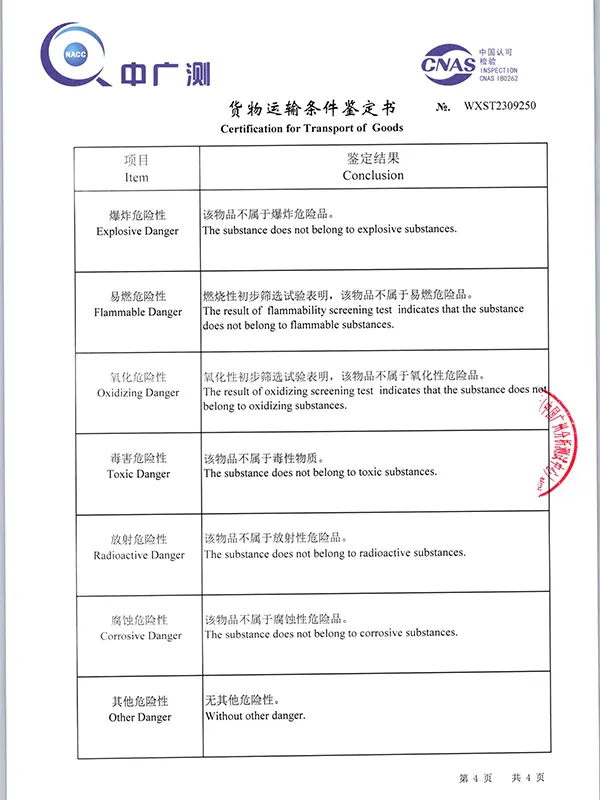
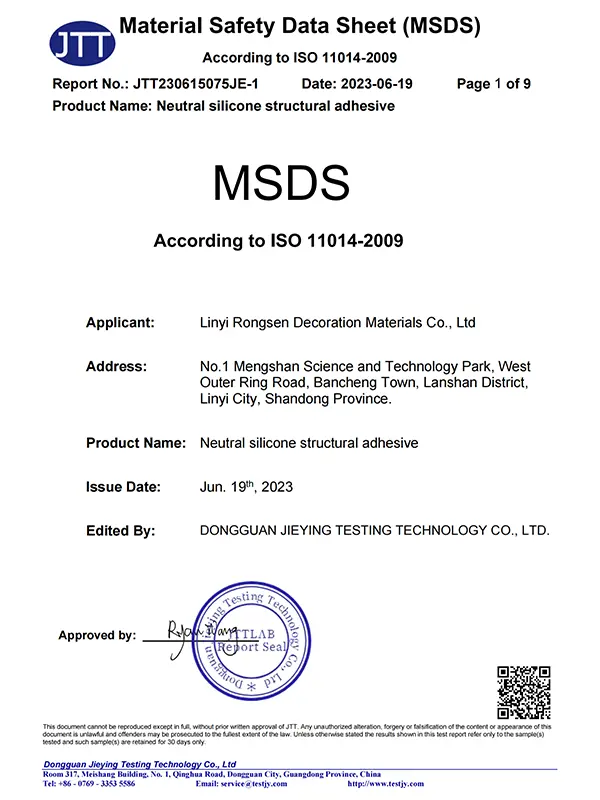
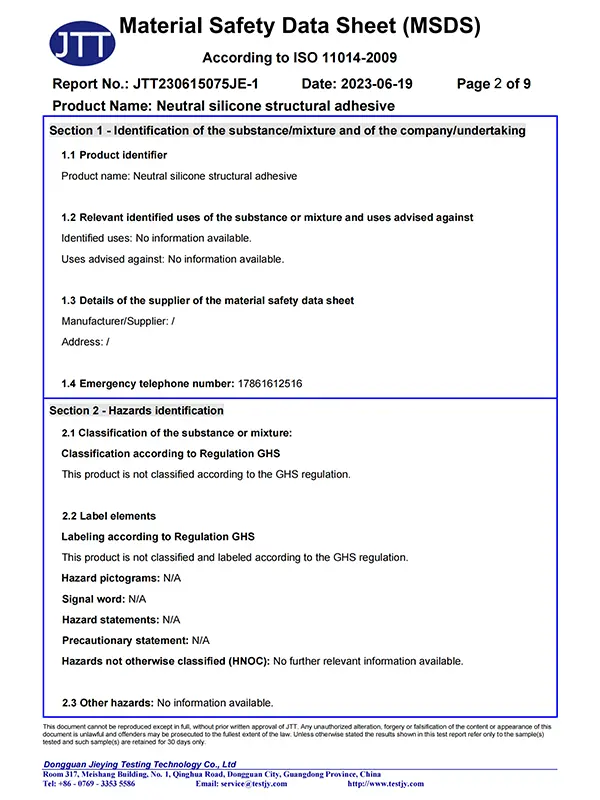
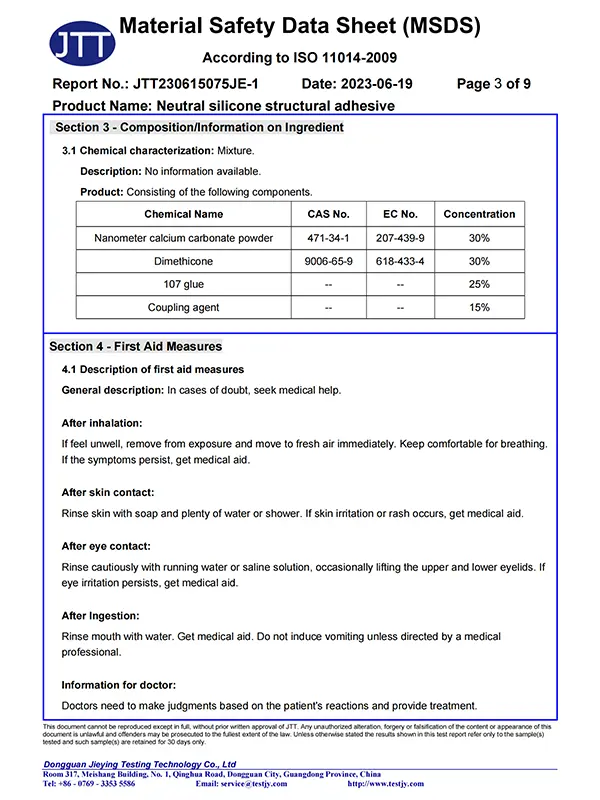
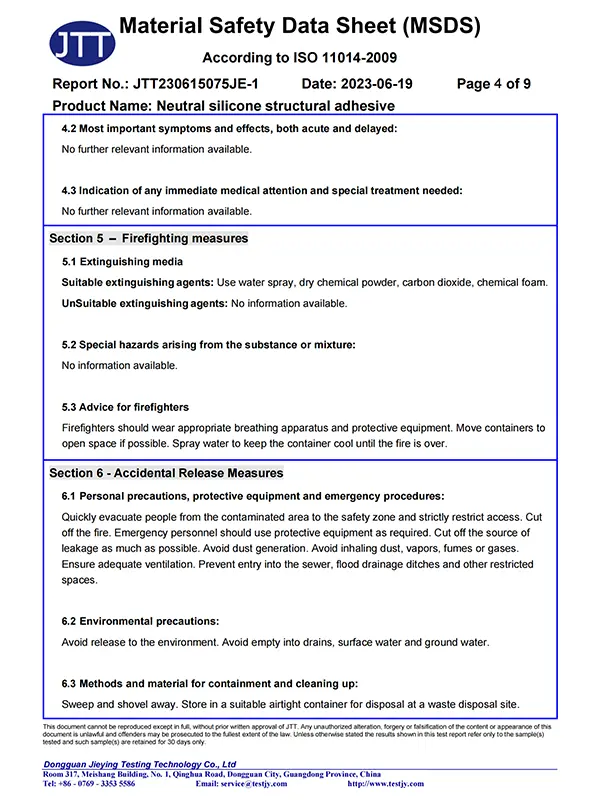
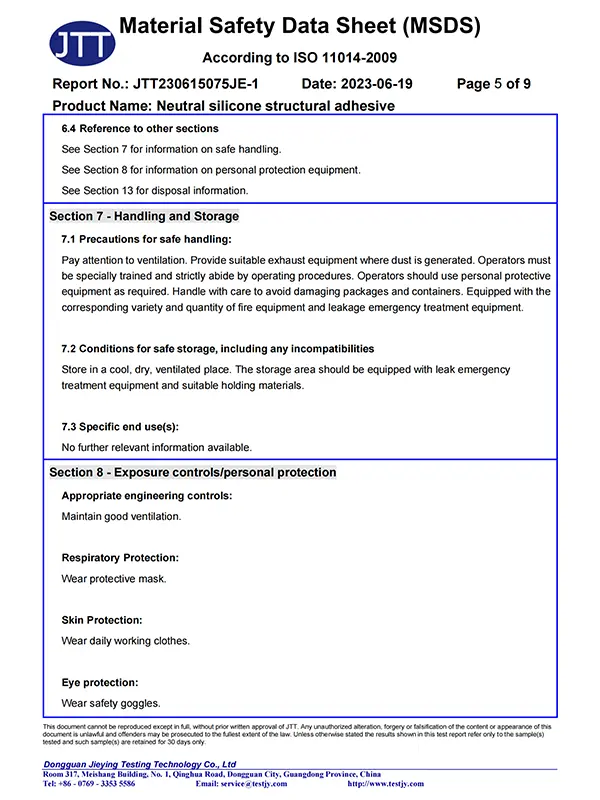
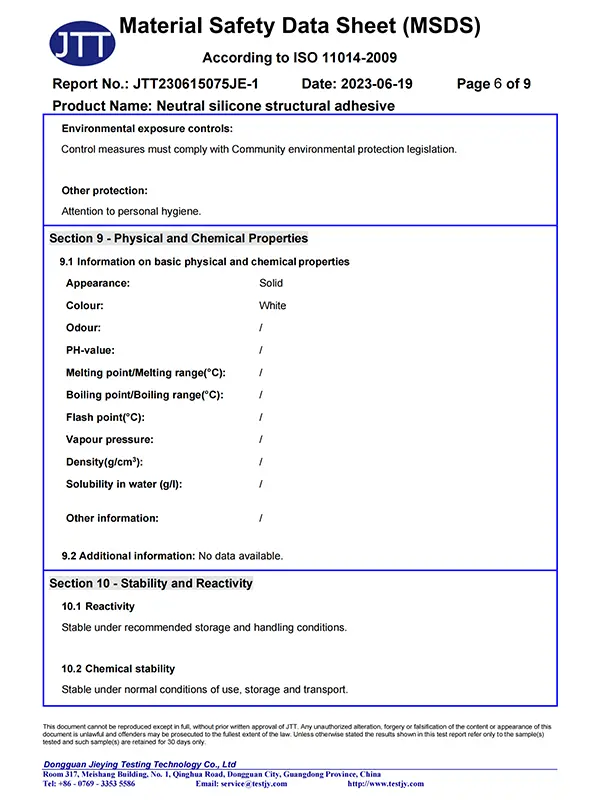
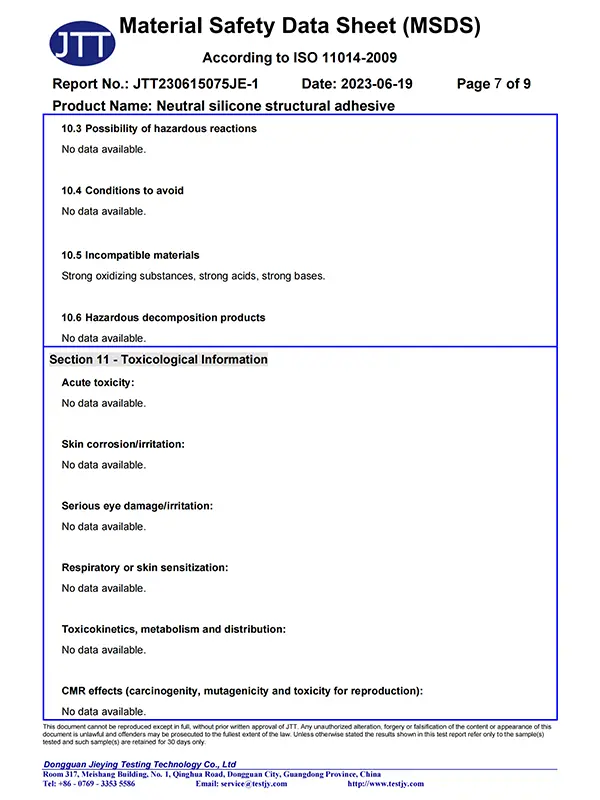
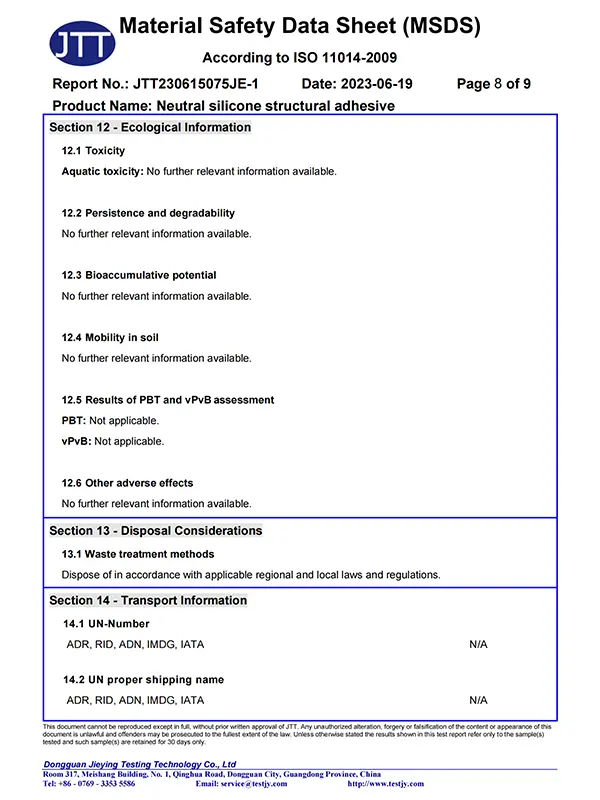
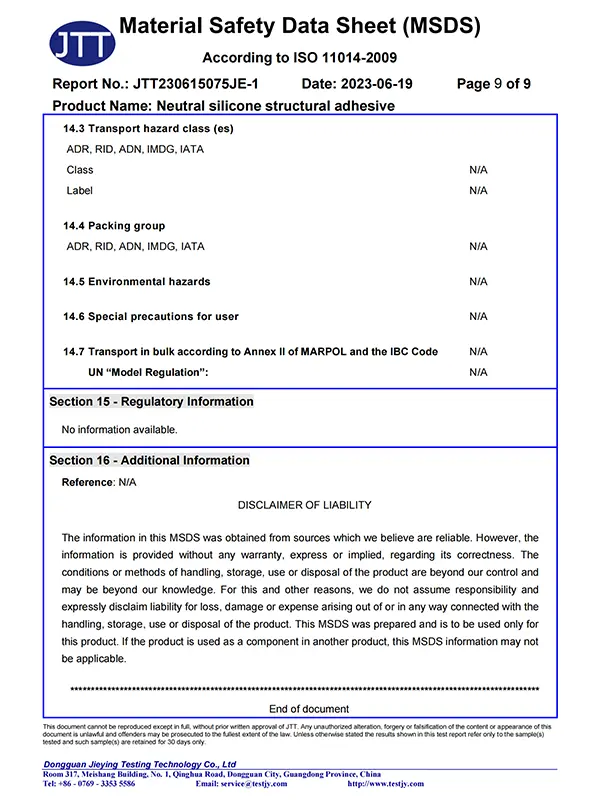
Our products conform to major European and North American building codes. View our verified testing credentials below.
The composite industry continues to advance. Our R&D division is focused on three primary areas:
Through these technologies, we deliver products that help building projects earn certifications like LEED (Leadership in Energy and Environmental Design) and BREEAM.
To support creative architecture, we supply several specialized decorative profiles alongside WPC wallboards:
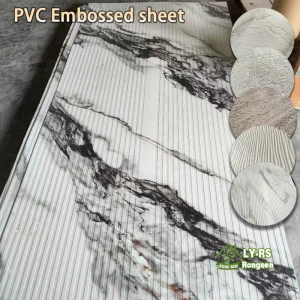
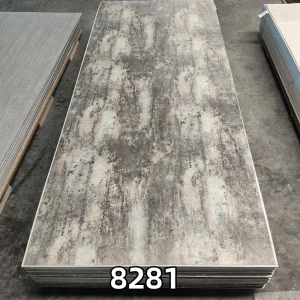
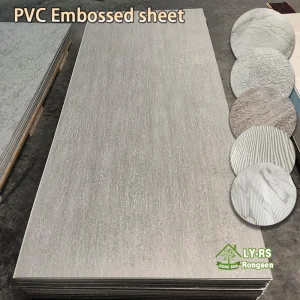
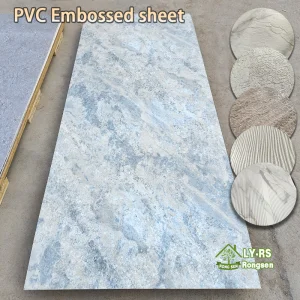
Our PVC Embossed Sheet is crafted to deliver exceptional quality. Made from premium PVC materials, our sheets are durable and resistant to wear and tear, ensuring long-lasting performance. The embossed texture adds a touch of elegance and sophistication to any surface, creating a visually pleasing and unique aesthetic. Its versatility makes it suitable for residential accents or busy commercial lobbies.
Waterproof, damp-proof, and designed to perform. Seamless connection grooves make installation fast and efficient, saving time and labor cost. These panels feature a Class B1 fire rating, meaning they self-extinguish when removed from a heat source, providing added safety for interior wall cladding.
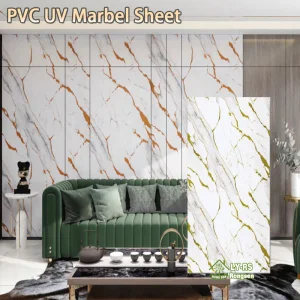
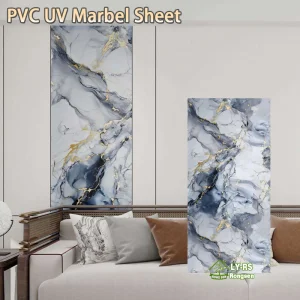
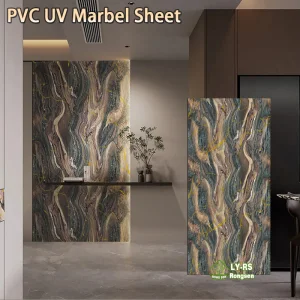
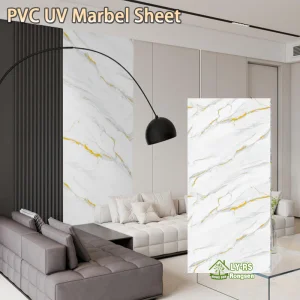
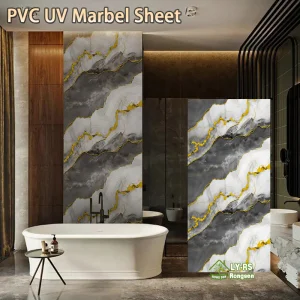
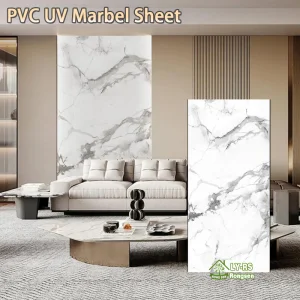
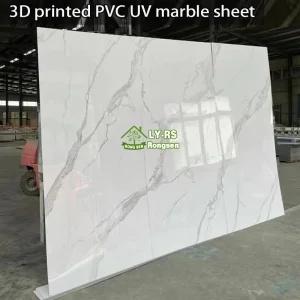
Consists of 40% PVC, 58% Calcium carbonate, and 2% additives. It replicates the look of natural polished marble without the heavy weight or high cost. Regular dimensions: 1220*2440mm, 1220*2800mm, and 1220*3000mm, with thicknesses ranging from 2.5mm to 4.0mm.
Made from high-quality polystyrene, these panels provide a lightweight and durable alternative. They are designed for fast installation and allow renovators to update walls without heavy construction framing.
Polyurethane formulation that replicates the texture and appearance of natural cut stone. The lightweight panels are easy to mount, helping reduce installation costs for feature walls.
Detailed engineering answers to help designers, contractors, and project managers select materials.
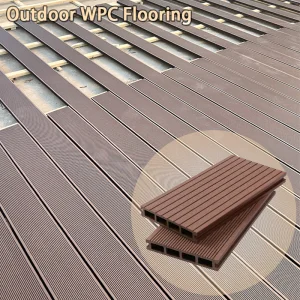
A: PVC-based WPC is optimized for interior use due to its higher density, stiffness, and naturally superior flame retardancy. It achieves a Class B1 fire rating without heavy additive loading, making it safer for indoor spaces. PE-based WPC is softer and more prone to thermal expansion, and is typically reserved for outdoor decking applications.
A: We use gravimetric feeding systems to control raw material ratios during compounding. We also run spectrophotometer color checks on laminating films and finished profiles against master control chips. This maintains color deviation (Delta E) below 0.8, ensuring consistency across separate production runs.
A: For flat, dry surfaces, you can install panels directly using adhesive and pneumatic brad nails. For uneven masonry walls, we recommend installing aluminum or timber furring channels first. This creates a flat plane and leaves a dry cavity for air movement behind the panels.
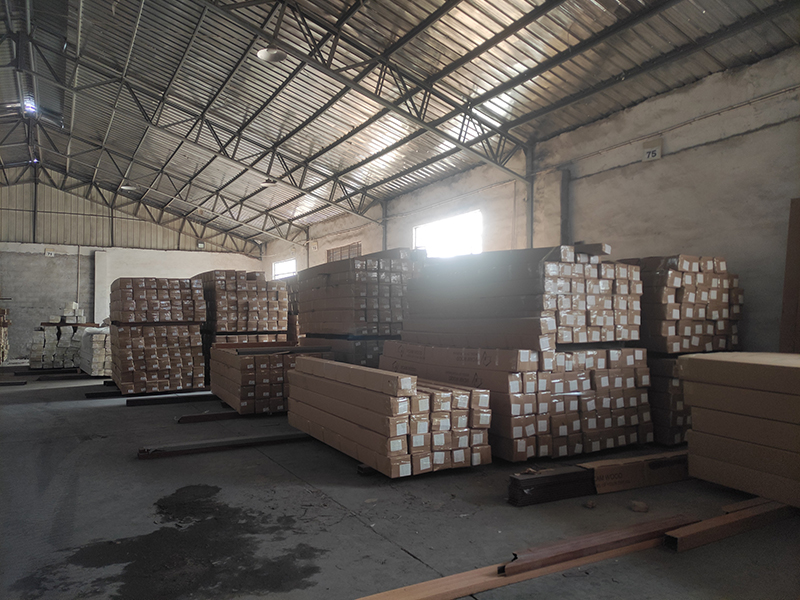
A: We pack products in thick, export-grade corrugated cartons. Every bundle is wrapped in protective PE film and reinforced at the corners. For full container loads (FCL), we build custom timber pallets and strap them securely to prevent cargo shifting during transport. Our location in Linyi allows us to transport containers to Qingdao Port quickly.
A: We provide CE certificates for Europe, ISO 9001 quality management certificates, and SGS test reports for fire retardancy (EN 13501-1 Class B1) and low formaldehyde emissions (EN 717-1). If your project requires special regional test certificates, we can coordinate with third-party laboratories to arrange testing.
Complete your interior project with our range of high-gloss marble sheets, embossed panels, and custom-printed architectural backdrops.
 Rongsen