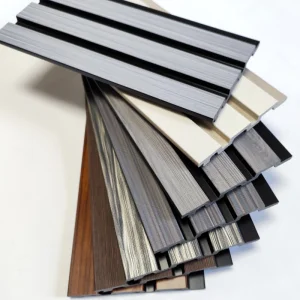
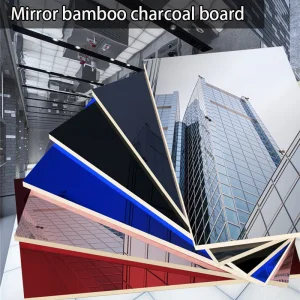
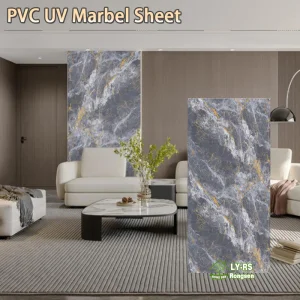
In modern architectural design, the convergence of aesthetic versatility, environmental health, and mechanical durability has created a new class of materials. Among these, the Bamboo Charcoal Infused Panel represents a significant evolutionary step. Often categorized under high-definition composite interior claddings, these panels leverage the microporous molecular structure of pyrolyzed bamboo carbon, dispersed within specialized thermoplastic polymers (such as PVC, co-extruded SPC, or polystyrene matrixes). This engineering creates a high-performance material that actively purifies indoor air, provides acoustic dampening, and resists moisture penetration.
As a leading Chinese supplier of decoration materials, Linyi Rongsen Decoration Material Co., Ltd. stands at the forefront of this industrial shift. Located in Linyi, Shandong Province—known as the Logistics Capital of China—our proximity to key maritime transport hubs enables us to serve global builders, designers, and distributors with efficient material distribution and continuous innovation.
The manufacturing process of Linyi Rongsen’s Charcoal Infused Panels relies on high-temperature pyrolysis. Bamboo raw material is carbonized at temperatures between 600°C and 800°C in an oxygen-depleted environment. This process creates a carbon material with an expansive specific surface area (up to 300–600 m²/g). This carbon is then pulverized into micro-nano particles and blended with eco-polymer resins via twin-screw extrusion systems.
This molecular configuration delivers specific functional benefits:
The carbonized bamboo particles contain a dense network of micro-, meso-, and macropores. These act as molecular sieves, capturing indoor volatile organic compounds (VOCs) such as formaldehyde, benzene, and ammonia, locking them away through physical adsorption.
Unlike natural wood paneling, which expands and contracts in humid conditions, the polymer-bamboo composite structure is waterproof. Its molecular structure manages local humidity by absorbing trace moisture under high-vapor states and releasing it during dry phases, without compromising structural integrity.
By combining carbon particles with flame-retardant polymer matrices and inorganic flame retardants, our panels achieve Class B1 fire performance. They resist ignition and do not produce toxic, blinding smoke during thermal decomposition.
| Performance Indicator | Testing Standard Reference | Linyi Rongsen Typical Value | Functional Impact |
|---|---|---|---|
| Formaldehyde Emission | EN 717-1 / ISO 16000 | < 0.01 mg/m³ (E0 Grade) | Exceeds strict indoor clean air standards |
| Density Range | ASTM D792 | 0.85 – 1.05 g/cm³ | Optimal balance of weight and structural strength |
| Thermal Expansion Coeff. | ASTM D696 | < 2.5 x 10^-5 in/in/°F | Low dimensional movement across seasons |
| Water Absorption Rate | EN 317 (24-hour immersion) | < 0.15% | Suitable for high-humidity installations |
| Acoustic Transmission Class | ASTM E90 | STC 28 - 32 (System dependent) | Effective sound reduction in office partitions |
Linyi, Shandong, operates as a central point in China's industrial manufacturing landscape. Linyi Rongsen Decoration Material Co., Ltd. leverages this ecosystem to manage supply chain logistics and production efficiency. Our factory is positioned near major container ports, including Qingdao Port and Lianyungang Port, which reduces transport times and minimizes inland shipping costs for international buyers.
Our factory operations are defined by structured production and quality control:
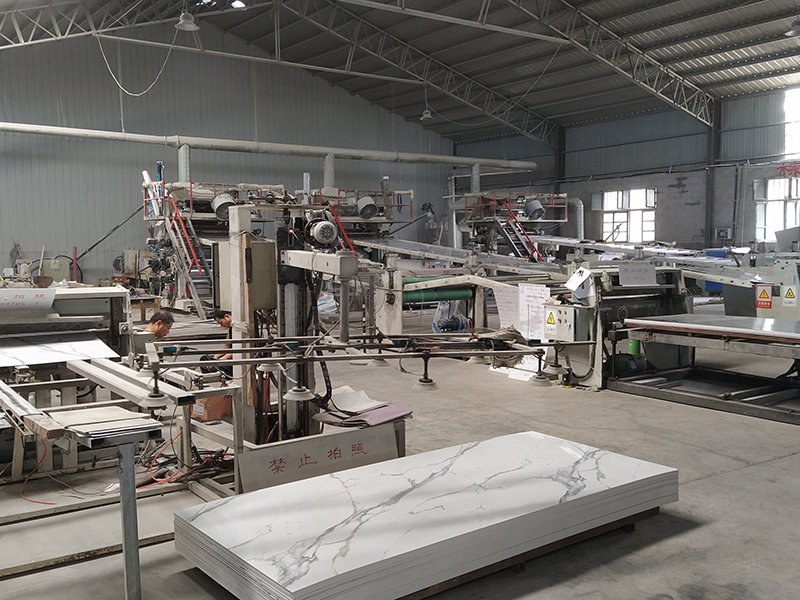
Our strategic location near the B2B logistics networks of Lanshan District allows us to source raw polymers and bamboo carbon efficiently. We maintain bulk shipping lanes to transport materials reliably through changing global market conditions.
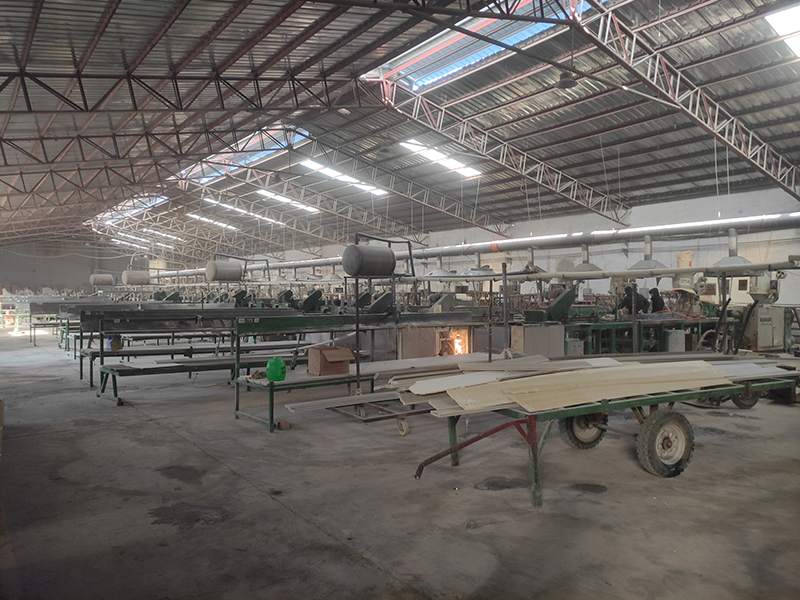
We run modern, multi-axis co-extrusion production lines that ensure consistent panel thickness and core density. This process prevents warping and maintains structural consistency across large production runs.
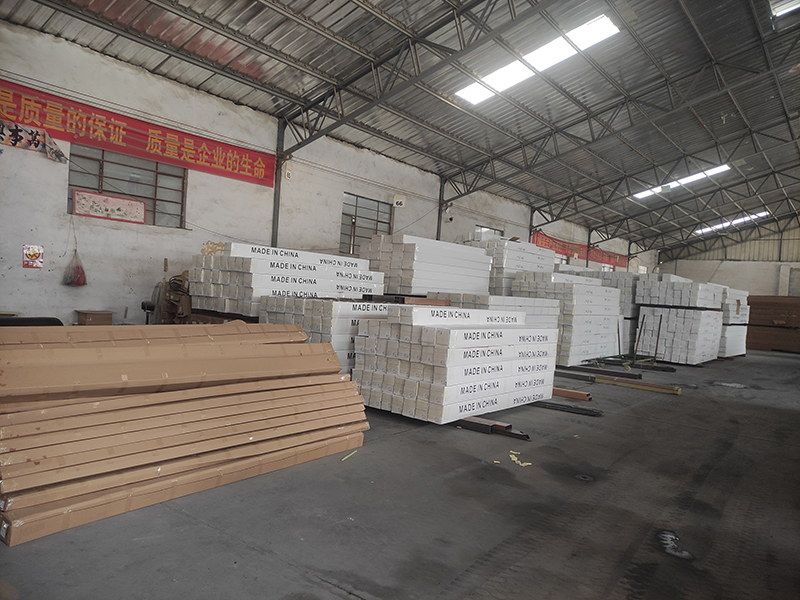
Our facilities accommodate high-volume manufacturing schedules. This capacity allows us to fulfill large container orders for commercial developments while keeping material reserves for quick-ship projects.
Architects and interior designers globally are shifting away from traditional drywall, plaster, and untreated veneers. This trend is driven by strict building codes regarding indoor air quality (LEED v4 certifications), fire resistance, and long-term durability. Linyi Rongsen’s Charcoal Infused Panels are designed for high-traffic environments, providing an alternative to conventional materials in these spaces:
In hotels, guest rooms require low VOC emissions, clean air, and effective sound isolation. Our panels provide moisture protection in bathrooms and acoustic separation between adjacent rooms, maintaining structural integrity over years of service.
Open-plan offices use large wall surfaces and partition systems. Charcoal panels absorb sound and reduce ambient noise levels, while their air-purifying properties help lower indoor CO2 and VOC concentrations in closed spaces.
Hospitals and classrooms require materials that resist mold, mildew, and bacteria. The dense, non-porous polymer shell combined with the anti-microbial carbon core prevents moisture collection and resists biological growth without chemical biocides.
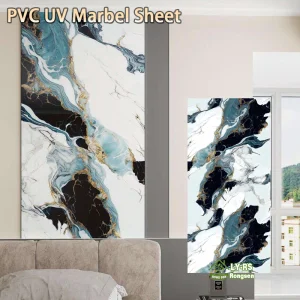
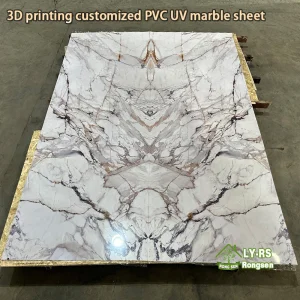
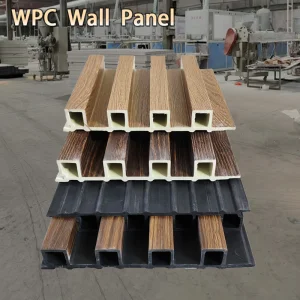
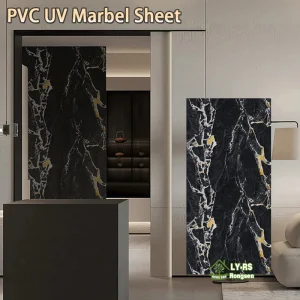
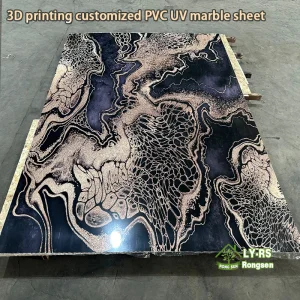
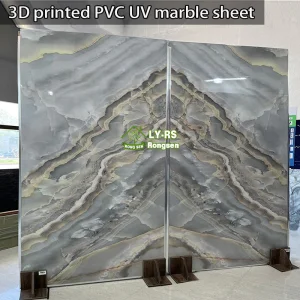
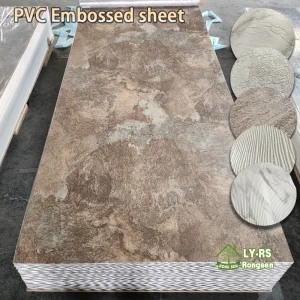
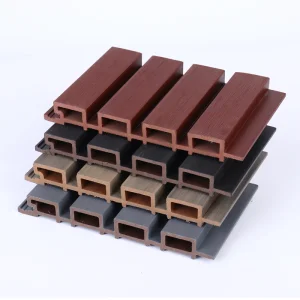
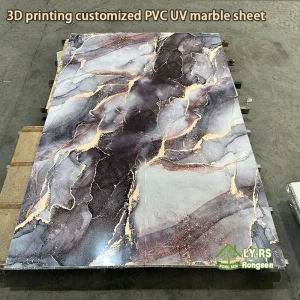
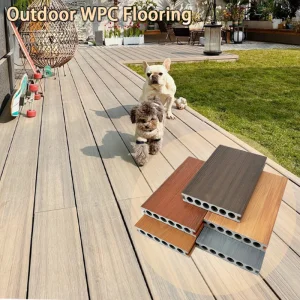
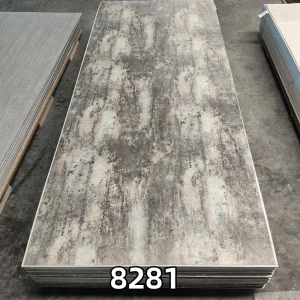
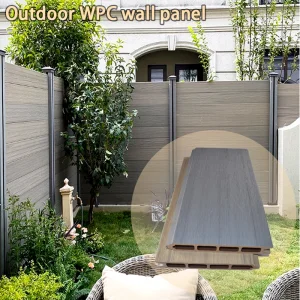
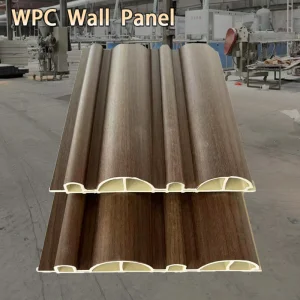
By producing a diverse range of decorative materials—including PVC UV marble panels, PVC embossed panels, 3D printed backdrops, PS wall panels, WPC panels, and PU stone—we provide designers with multiple finishes and configurations. This variety helps projects meet local building codes while achieving specific aesthetic goals.
Building materials must perform reliably across different regional climates. The Linyi Rongsen range is formulated to adapt to specific localized environments:
Designed to meet flame retardancy requirements (ASTM E84 Class A/B) and ultra-low emission standards (California CARB Phase 2). The material is used for corporate lobbies, multi-family common areas, and modern retail interiors.
Complies with REACH regulations and CE marking standards. The panels support sustainable, circular-economy designs that require recyclable polymer materials and renewable plant-based carbon content.
Formulated to resist thermal deformation in high-ambient-heat climates. The panels maintain their shape under intense UV exposure and high indoor air-conditioning loads, preventing warping and joint separation.
Built to withstand persistent high humidity and seasonal rain. Standard wood paneling is susceptible to swelling, dry rot, and termites, whereas the polymer-charcoal matrix resists moisture and insect damage.
Linyi Rongsen continues to invest in research and development to expand the functionality of composite materials. Our technology roadmap focuses on three main developments:
Transitioning from petroleum-derived polymers to bio-resins made from agricultural byproducts. This shift aims to reduce carbon emissions during manufacturing while maintaining the mechanical strength and durability of our current panels.
Developing internal geometries designed to capture and disperse specific sound frequencies. These profiles will target noise reduction in commercial environments without requiring extra fiberglass backings.
Integrating nano-silver particles with the bamboo carbon core. This combination targets bacteria contact surfaces, providing a hygienic material choice for hospital wards and cleanroom facilities.
At Linyi Rongsen, quality control is integrated into every stage of production. From raw material sorting to final packaging, we test mechanical properties, surface adhesion, and environmental safety to verify performance before shipping.
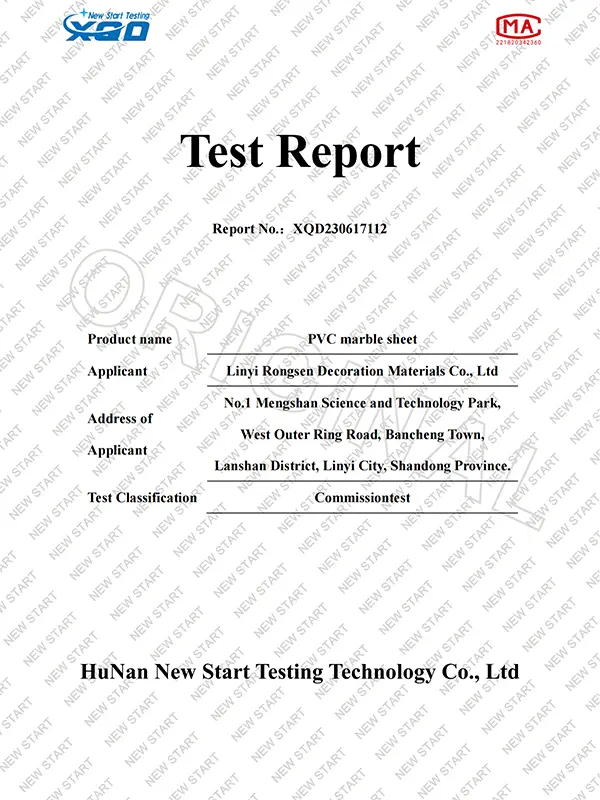
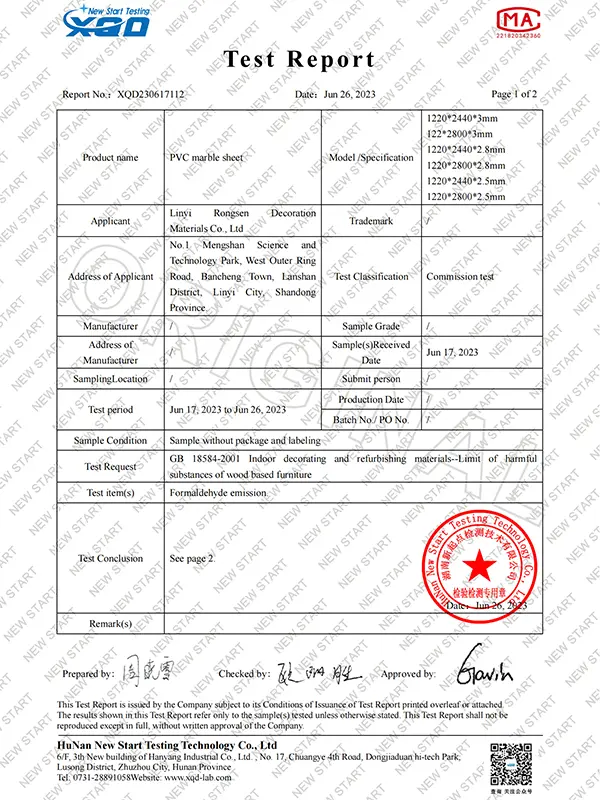
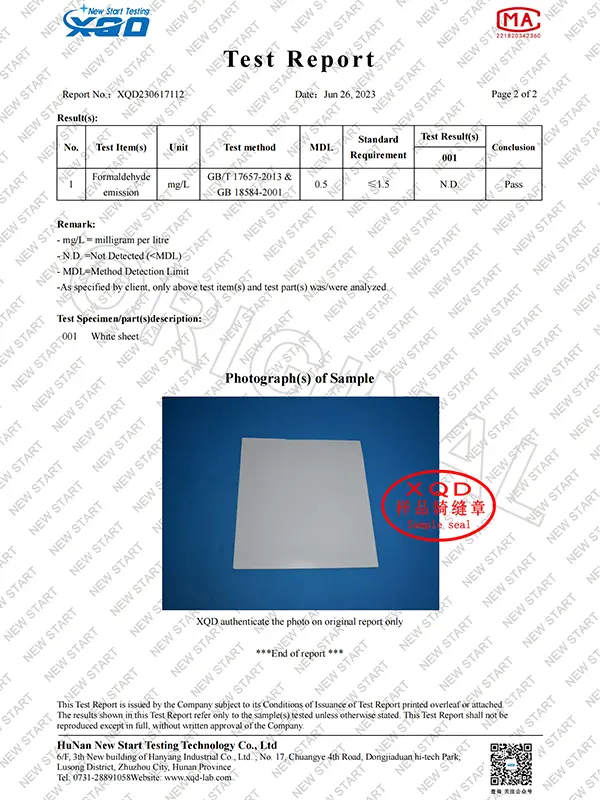
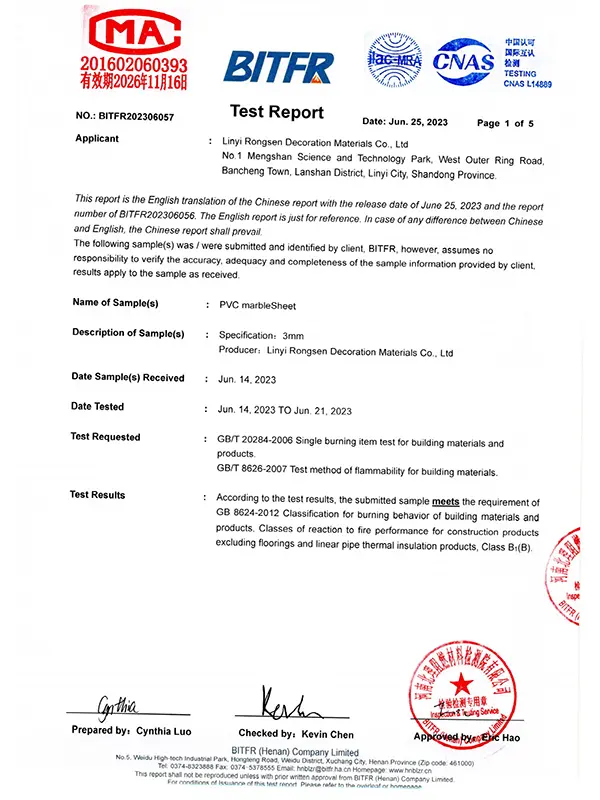
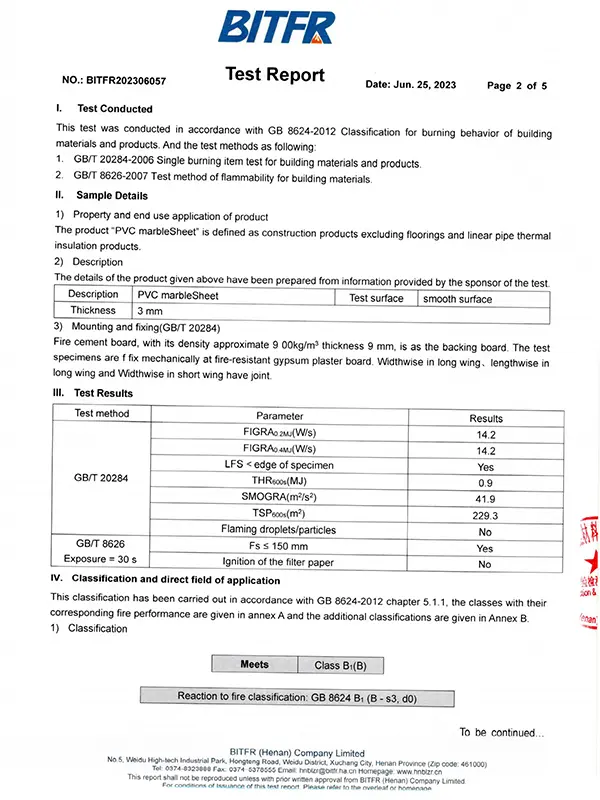
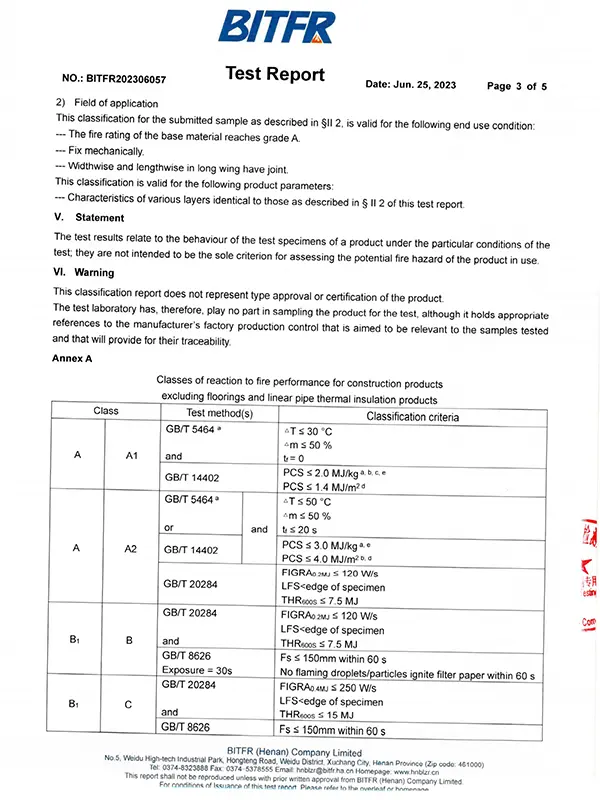
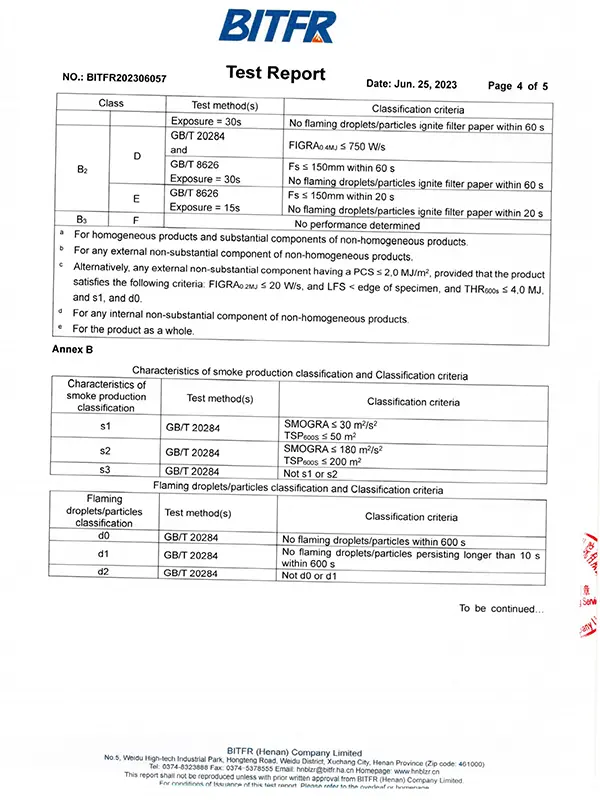
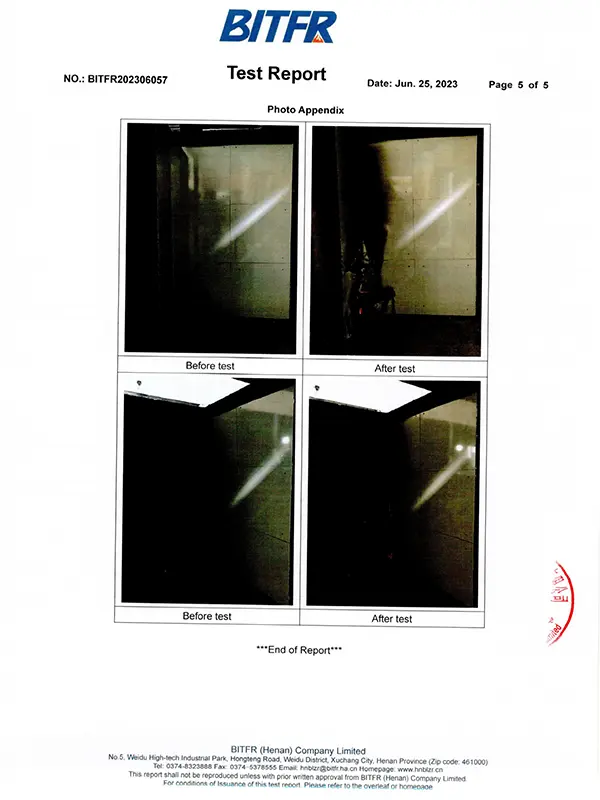
Our materials undergo regular testing against international standards including SGS, CE, and ISO 9001. This independent verification confirms that Linyi Rongsen panels meet environmental and structural specifications, making them suitable for commercial builds, architectural tenders, and retail distribution networks globally.
For volume quotes, sample kits, and custom extrusion inquiries:
+86 17861612516
+86 19715396916
Linyi Rongsen Decoration Material Co., Ltd.
200 meters east of the intersection of Jinluo 4th Road and Xincheng 2nd Road in Jinluo Industrial Park, Bancheng Town, Lanshan District, Linyi City, Shandong Province, China
Send specifications or RFQs directly to our engineering desks:
[email protected]
[email protected]
 Rongsen