Global buyers are paying closer attention to the Wpc Outdoor Panel market. Appearance matters, but performance matters more. Panels now face rain, ultraviolet exposure, temperature changes, and repeated cleaning. A weak specification can become a costly replacement.
Grand View Research estimated the global wood-plastic composites market at about USD 7 billion in 2023. Its report projects continued growth through 2030, supported by construction, renovation, and outdoor-living demand. Mordor Intelligence also identifies building applications as a major market driver. However, reported market values differ between studies. That gap deserves attention. Forecasts are useful, not perfect.
Qinglin Wu, a recognized researcher in wood-plastic composites, explains the material’s central appeal: “WPCs combine the advantages of wood and plastics.” Buyers should test that promise carefully. Resin type, wood-fiber content, surface treatment, drainage design, and installation support can change real-world results. A dense-looking panel may still absorb moisture through cut edges. A beautiful surface may fade under intense sunlight. Small details matter.
This guide examines leading Wpc Outdoor Panel suppliers serving international buyers. It considers manufacturing experience, quality systems, product consistency, technical documentation, customization, packaging, and after-sales communication. Supplier selection should not depend on catalog photos alone. Request laboratory data, samples, warranty terms, and project references. Check whether the reported testing applies to the exact panel model.
The best supplier is not always the cheapest. Sometimes, the safer choice is the one that explains limitations clearly. That honesty is valuable.
Understanding WPC Outdoor Panels and Their Main Applications
WPC outdoor panels combine wood fiber with thermoplastic polymers, creating a surface that resembles timber but resists moisture better. According to Grand View Research, the global wood plastic composites market was valued at over USD 7 billion in 2023. Its report expects continued growth through 2030, supported by construction and outdoor renovation demand. These figures matter to global buyers, but market forecasts are not guarantees.
Common applications include balcony screens, garden walls, façade accents, privacy fencing, pergola cladding, and outdoor ceiling systems. Panels can reduce painting work and help maintain a consistent appearance in humid environments. However, WPC is not maintenance-free. Dark panels may absorb heat, and poor ventilation can encourage staining or surface distortion. The International Code Council also stresses that exterior assemblies require suitable fire, moisture, and fixing evaluations. Local climate testing remains essential.
Tips: Check the panel’s wood-to-polymer ratio, water absorption, slip rating, UV performance, and expansion rate. Ask for independent test reports, not only supplier claims. Leave movement gaps around joints. Use corrosion-resistant fasteners near coastal areas. A small sample is useful. It may reveal color variation, texture weakness, or unexpected heat buildup before a large order. Suppliers should also provide installation drawings, packaging details, and batch information. This step feels slower, but it can prevent expensive replacement work.
Top WPC Outdoor Panel Suppliers for Global Buyers: Understanding WPC Outdoor Panels and Their Main Applications
Typical nominal widths of commonly specified WPC outdoor panel profiles. Actual dimensions vary by product design, installation system, and supplier.
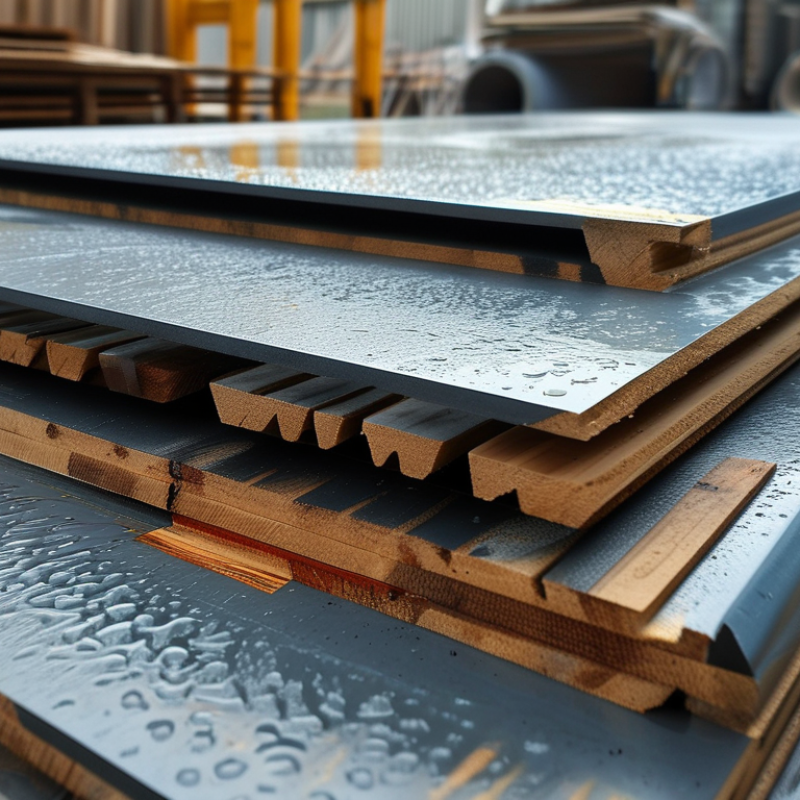
WPC outdoor panels are commonly used for decking, exterior wall cladding, privacy fencing, and soffits. When comparing global suppliers, buyers should review profile dimensions, material composition, outdoor durability, installation accessories, and compliance with local building requirements.
Key Criteria for Evaluating Global WPC Panel Suppliers
For global buyers, evaluating WPC outdoor panel suppliers should begin with evidence, not attractive images. Request technical data for density, moisture absorption, flexural strength, color retention, and dimensional stability. Outdoor panels face sunlight, rain, insects, and repeated temperature changes. Independent laboratory reports are more useful than unsupported marketing claims. Check whether testing matches the destination market’s standards and installation conditions.
Ask for production samples from different batches. Compare thickness, surface texture, color variation, edge quality, and measured weight. Details matter. An experienced supplier should explain material ratios, additives, tooling limits, and expected service conditions clearly. If the answers remain vague, the supplier may lack process control.
Reliability also appears in daily operations. Review factory capacity, quality-control checkpoints, packaging methods, and realistic lead times. Request photos of pallet protection and loading procedures. Ask how damaged panels, shade differences, or late shipments are handled. Clear warranty terms should define inspection evidence, response times, and reasonable remedies. Do not rely on a broad promise of long service life. Connect every claim to test results and installation guidance. A remote factory audit can reveal useful details, although it cannot replace physical inspection. Video calls sometimes show only the best corner. That limitation deserves attention. Verify recycled-content traceability and raw-material consistency, then retain signed specifications and a control sample after approval.
Leading WPC Outdoor Panel Suppliers by Market Region
North American buyers often seek WPC outdoor panel suppliers with stable color, impact resistance, and documented moisture testing. Grand View Research valued the global wood-plastic composites market at about USD 7 billion in 2022. It also projected growth above 7% annually through 2030. Regional suppliers commonly serve decks, privacy screens, façades, and balcony panels. Look for ASTM test data, batch records, and clear warranty terms. These details matter more than polished product photos.
Europe places stronger weight on circular materials and fire performance. Suppliers should provide EN 15534 testing, recycled-content evidence, and installation guidance for changing climates. In Asia-Pacific, production capacity and export logistics often influence pricing. The region remains a major manufacturing center, while demand is expanding across residential and commercial construction. MarketsandMarkets has reported strong growth for WPC applications in building and construction, although estimates vary by product definition. That uncertainty deserves attention. It is not a small issue.
Middle Eastern and African projects require panels that tolerate intense sunlight, dust, and large temperature shifts. Buyers should request accelerated weathering results, screw-holding data, and samples exposed outdoors for several months. A reliable supplier explains resin type, wood-fiber percentage, drainage design, and replacement procedures. ISO 14001 certification can support environmental management claims, but certification alone does not prove field durability. Regional stock, port access, and technical support may reduce delays. Small details often decide the real cost.
Comparing Materials, Designs, Certifications, and Production Capacity
Top WPC Outdoor Panel Suppliers for Global Buyers
Material selection shapes durability, maintenance, and installation cost. WPC panels commonly combine wood fibers with HDPE, PVC, or PP polymers. Each formula reacts differently to moisture, heat, and sunlight. Ask suppliers for fiber content, resin type, density, and water absorption data. A sample should survive outdoor exposure, not only look attractive indoors. I have seen impressive textures fade quickly when ultraviolet stabilizers were poorly matched.
Design details also affect practical performance. Compare panel thickness, width, fastening systems, surface grain, and available colors. Deep embossing may improve appearance, but it can collect dust in humid regions. Check expansion gaps and thermal movement before approving large orders. Good suppliers provide technical drawings, installation guidance, and replacement procedures. Some catalogs appear complete, yet custom dimensions may require new tooling and longer lead times.
Certifications deserve careful verification. Request test reports for fire behavior, weather resistance, formaldehyde emissions, and structural performance where relevant. Confirm the laboratory, test date, and applicable market standard. ISO 9001 can indicate controlled processes, but it does not prove every panel is durable. Production capacity requires more than a factory photograph. Review extrusion lines, monthly output, raw material storage, batch records, and inspection points. Ask for recent production samples and realistic lead times. A supplier promising unlimited capacity may be overstating its resources. Small trial orders, independent inspection, and written quality tolerances reduce that risk.
How Global Buyers Can Select and Work With the Right Supplier
Top WPC Outdoor Panel Suppliers for Global Buyers
Global buyers should assess WPC outdoor panel suppliers beyond attractive catalog photos. Request production records, material specifications, and recent quality reports. A reliable supplier should explain the wood-plastic ratio, surface treatment, color stability, and moisture resistance clearly. Ask for samples from current production, not only showroom pieces. Details matter.
Test each sample in realistic conditions. Check surface texture, edge accuracy, screw holding, and color consistency under direct sunlight. Measure panel dimensions after exposure to heat and humidity. WPC can expand, even when marketed as highly stable. A supplier should provide installation gaps based on local climate. This small detail can prevent buckling and costly site repairs.
Confirm factory capacity before discussing large orders. Review minimum order quantities, lead times, packaging methods, and inspection procedures. Independent pre-shipment inspection adds useful protection, especially for first-time cooperation. Clarify accepted tolerances in the purchase contract. Vague promises create avoidable disputes. Communication quality is also evidence of reliability. If technical answers arrive late or change repeatedly, reconsider the partnership. A cheaper quotation may hide thinner profiles, weaker cores, or inconsistent batches. Buyers should compare delivered cost, not unit price alone. I have seen procurement plans focus too heavily on appearance; that approach often overlooks installation waste and replacement risk. Leave room for honest rechecking.
FAQS
merican buyers expect from a WPC outdoor panel supplier?
Request EN 15534 test results, recycled-content evidence, fire-performance data, and installation guidance. Climate changes matter.
Production capacity, export logistics, raw material storage, and delivery routes strongly influence pricing. Estimates may vary.
Request accelerated weathering results, screw-holding data, and outdoor samples exposed for several months. Sunlight is unforgiving.
Panels often combine wood fibers with HDPE, PVC, or PP polymers. Each formula behaves differently.
Ask for wood-fiber content, resin type, density, water absorption, and ultraviolet stabilizer details. Durability needs evidence.
Compare thickness, width, surface grain, colors, fastening systems, expansion gaps, and thermal movement. Deep textures may collect dust.
Review extrusion lines, monthly output, raw material storage, batch records, and inspection points. Factory photos prove little.
No. Certifications can show controlled processes or environmental management, but they do not prove field durability. That distinction matters.
Start with a small trial order, request recent samples, use independent inspection, and define written quality tolerances. Promises can be optimistic.
Conclusion
Wpc Outdoor Panel is a durable and versatile building solution made from a blend of wood fiber and polymer, offering resistance to moisture, insects, fading, and everyday wear. It is commonly used for exterior walls, garden structures, balconies, fences, ceilings, and other architectural or landscaping applications. For global buyers, evaluating suppliers requires more than comparing prices. Important criteria include material consistency, design options, customization services, quality control, production capacity, delivery reliability, technical support, and compliance with relevant international certifications.
Leading suppliers in different market regions may vary in manufacturing scale, product specialization, and export experience. Buyers should compare panel composition, surface textures, colors, dimensions, installation systems, warranties, and testing documentation before making a decision. It is also essential to confirm minimum order quantities, packaging standards, lead times, payment terms, and after-sales communication. By requesting samples, reviewing factory capabilities, clarifying specifications, and establishing clear quality requirements, buyers can build a dependable supplier relationship and select Wpc Outdoor Panel products that meet project, performance, and market expectations.

 Rongsen