Who Is the Top PVC Embossed Sheet Manufacturer in China?
China’s PVC industry provides a deep supply base for embossed sheet production. Grand View Research valued the global PVC market at approximately US$45 billion in 2023. Its report also projects steady growth through 2030, supported by construction, interiors, packaging, and automotive applications. However, embossed sheet data remains less transparent than general PVC data. That limitation matters.
PVC embossed sheets are not judged by price alone. Surface depth, gloss consistency, backing strength, roll width, and print adhesion can change the final result. A sample may look attractive under showroom lighting, yet reveal uneven embossing beside a window. Experienced buyers should inspect multiple production batches, not one carefully selected piece.
Ned Monroe, former President and CEO of the Vinyl Institute, described PVC as “the most versatile plastic material in the world.” His statement reflects PVC’s broad processing range, but versatility does not guarantee manufacturing quality. The best supplier must connect formulation control with practical factory experience. It should document resin grades, plasticizer systems, embossing temperatures, and quality inspections.
Reports from Fortune Business Insights and MarketsandMarkets also indicate continuing demand for decorative plastics and resilient flooring materials. Still, market forecasts are not proof of one company’s capability. They are only a starting point.
So, who leads China’s PVC embossed sheet market? The answer requires more than online rankings. It requires factory audits, laboratory test records, transparent tolerances, and customer references. Small details matter. A reliable manufacturer should welcome difficult questions, including questions about defects, rejected rolls, and improvement plans.
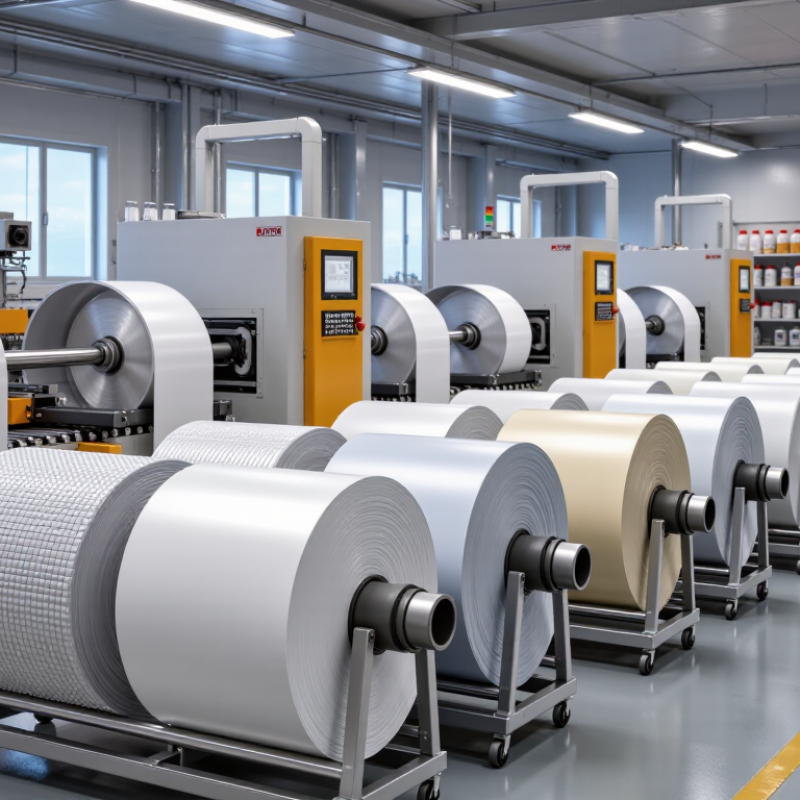
PVC embossed sheet is a rigid or semi-rigid panel made from polyvinyl chloride. Its surface carries a raised pattern, such as leather grain, wood texture, or geometric lines. This texture improves appearance and can reduce the visibility of minor scratches. It may also add useful slip resistance in selected applications.
In practical projects, installers use these sheets for wall cladding, ceilings, doors, partitions, and decorative interior panels. They are common in retail areas, offices, workshops, kitchens, and moisture-prone rooms. A smooth cloth usually removes dust from the surface. That matters where cleaning happens every day. The sheet can also be cut with standard workshop tools, although poor cutting may leave rough edges. Measure twice.
Material selection should match the actual environment. Thickness, impact strength, surface finish, temperature range, and installation method all deserve attention. A textured sheet is not automatically waterproof, fire-rated, or suitable for outdoor exposure. Check test reports and local building requirements before specification. This is where buyers sometimes focus too heavily on appearance. It is a mistake. Color samples can look different under warehouse lighting, and deep embossing may collect grease or dust. A reliable supplier should provide technical data, batch consistency, and clear guidance for storage and installation. Even experienced teams should test one panel first.
Who Is the Top PVC Embossed Sheet Manufacturer in China?
What Defines a Leading PVC Embossed Sheet Manufacturer?
A leading manufacturer controls more than appearance. It manages resin selection, plasticizer balance, embossing temperature, cooling speed, and sheet thickness. PlasticsEurope’s 2024 Fast Facts report shows PVC represents roughly one-tenth of European plastics demand. That scale highlights the need for stable supply and repeatable processing. Reliable factories should provide batch records, inspection reports, and clear tolerance data. Thickness variation matters. It can affect installation, cutting, and surface alignment.
Manufacturing experience is visible in small details. Embossed patterns should remain sharp after thermoforming or handling. Gloss should stay consistent under warehouse lighting. A competent supplier tests tensile strength, flexibility, dimensional stability, and surface adhesion. ISO 9001-based quality systems can support traceability, but certification alone proves little. Independent test results and production samples matter more. ASTM and ISO methods should match the sheet’s intended use. Some factories still rely heavily on visual checks. That approach is fast, but incomplete.
Tips: Request a sample from regular production, not a special trial batch. Measure thickness at several points. Compare embossing depth, color, odor, and curling after storage. Ask how rejected rolls are recorded. No factory is flawless. Even strong suppliers may show minor gloss variation between lots, so acceptable limits must be written before purchase. A useful supplier answers technical questions clearly, admits limitations, and improves the process when data exposes a weakness.
Practical industry benchmark for evaluating PVC embossed sheet manufacturers
The following reference table summarizes measurable criteria commonly used to assess a capable PVC embossed sheet manufacturer. Actual specifications may vary according to resin formulation, embossing pattern, sheet structure, and application.
| Evaluation Dimension | Indicative Industry Reference | What a Leading Manufacturer Should Provide | Recommended Verification |
|---|---|---|---|
| Sheet Thickness | Approximately 0.20–3.00 mm for common PVC embossed sheet applications | Stable thickness control across the full roll or sheet, with agreed tolerance documented before production | Micrometer measurements at multiple points across width and length |
| Available Width | Common commercial widths range from about 1,000 to 2,100 mm | Production equipment capable of matching the customer’s usable-width and trimming requirements | Review equipment specifications, sample dimensions, and final inspection records |
| Embossed Pattern Depth | Typically about 0.05–0.80 mm, depending on the pattern and sheet thickness | Consistent texture definition without crushed details, uneven gloss, or pattern distortion | Compare approved samples with production pieces using optical or profile measurement |
| Surface Appearance | Uniform color, gloss, embossing, and surface finish throughout the batch | Color-control procedures, approved master samples, and clearly defined visual acceptance limits | Visual inspection under controlled lighting and comparison with the approved reference sample |
| Mechanical Performance | Typical rigid or semi-rigid PVC sheets may show tensile strength around 15–25 MPa, depending on formulation and orientation | Material performance matched to forming, cutting, thermoforming, packaging, or interior applications | Laboratory testing according to the agreed ASTM, ISO, or equivalent method |
| Dimensional Stability | Low warpage and controlled shrinkage are essential for downstream processing | Controlled cooling, calibrated rollers, and documented dimensional tolerances | Measure flatness, length, width, and shrinkage before and after conditioning |
| Material Composition | PVC resin content and additive selection vary according to flexibility, durability, and end use | Controlled formulation, batch traceability, and disclosure of restricted substances when required | Review technical data sheets, safety data sheets, and independent test reports |
| Production Capacity | Capacity should be assessed by usable output, not only by installed equipment | A documented monthly capacity plan with sufficient redundancy for repeat orders | Request production schedules, lead-time history, and evidence of comparable completed orders |
| Quality Consistency | A professional supplier should maintain documented inspection checkpoints from raw material to packing | Incoming inspection, in-process controls, final inspection, and corrective-action procedures | Audit quality records, inspection plans, nonconformance reports, and traceability documents |
| Lead Time | Standard repeat orders commonly require several weeks; custom tooling and colors may extend the schedule | Clear schedules for sampling, tooling, production, inspection, and shipment | Compare quoted lead time with historical delivery performance and written milestones |
| Customization Capability | Customization may include thickness, width, color, gloss, embossing pattern, backing, and cutting format | Engineering support, sample development, tooling control, and repeatable approval procedures | Evaluate prototype accuracy, revision control, and ability to reproduce approved samples |
| Compliance Documentation | Documentation requirements depend on the destination market and application | Current technical documents and relevant compliance evidence supplied before shipment | Verify test reports, declarations, safety documents, and destination-market requirements |
| Packaging and Export Support | Packaging must protect embossed surfaces from scratches, pressure marks, moisture, and deformation | Suitable protective film, edge protection, palletization, export labeling, and shipping coordination | Approve packaging drawings and inspect loading photos before dispatch |
Evaluating Chinese PVC embossed sheet suppliers requires more than comparing quotations. Grand View Research’s 2024 PVC market report estimates global PVC revenue at roughly US$45 billion in 2023. This scale creates strong manufacturing capacity, but quality still varies between factories. I would request three production samples from different batches. Check thickness, embossing depth, surface gloss, color consistency, and edge quality under direct light. A reliable supplier should provide technical data, inspection records, and clear tolerance ranges. “Premium quality” is not a measurable specification.
Factory experience matters. Ask how long the embossing line has operated and whether technicians control temperature, pressure, and cooling speed. A small process change can create uneven patterns or brittle corners. Request test results for tensile strength, impact resistance, and dimensional stability. These tests should identify standards and test methods. ISO 9001 certification can support process control, but it cannot replace a physical audit. The ISO Survey 2022 recorded more than one million ISO 9001 certificates worldwide, so certification alone is not proof of product excellence. I have seen attractive samples fail after storage. That risk deserves attention.
Tips: Compare samples from the same specification, not random sizes. Visit the factory or arrange a live video inspection. Ask for a pre-shipment inspection with photographs and batch numbers. Review lead times, packaging, and complaint procedures. A supplier that answers slowly may still produce well, but unclear communication becomes expensive. Check the details twice.
Choosing a top PVC embossed sheet manufacturer in China requires more than comparing prices or catalog photos. Production capability shows whether the supplier can repeat quality across large orders.
Look for controlled calendaring lines, precise embossing rollers, and stable heating systems. These systems affect thickness, texture depth, gloss, and sheet flatness. A capable factory should manage common thickness ranges with documented tolerance limits. It should also offer custom colors, widths, patterns, and protective films when needed. Small details matter. A rough edge can damage installation efficiency.
Ask for laboratory records covering tensile strength, elongation, hardness, surface adhesion, and dimensional stability. Batch samples should be traceable to production dates and raw material records. ISO 9001 supports process control, while ISO 14001 indicates structured environmental management. Depending on the market, REACH or RoHS testing may also matter. Certificates alone can mislead. I would verify issuing bodies, expiry dates, and product scope before trusting them. Factory audits, sample approvals, and independent testing provide stronger evidence.
Experienced engineers should explain embossing depth, shrinkage risks, and storage conditions in clear language. They should not promise identical results without discussing material variation. That honesty matters. A reliable manufacturer shares corrective-action reports when defects occur. It may not sound impressive, but practical transparency often reveals stronger control than polished sales claims.
Choosing the right PVC embossed sheet manufacturer in China requires more than comparing quotations. Grand View Research valued the global PVC market at approximately USD 45 billion in 2023. This demand encourages rapid expansion, but capacity alone does not prove quality. Embossed sheets involve pattern depth, gloss, shrinkage, color stability, and surface wear. Ask for a signed technical data sheet. It should state resin type, thickness tolerance, embossing depth, color deviation, and backing compatibility.
Request production evidence, not polished photographs. If possible, inspect the embossing line and observe temperature control, roll changes, and surface inspection. Ask for batch samples from different production dates. Test abrasion, tensile strength, dimensional stability, and ultraviolet resistance through an independent laboratory. ASTM D4060 and ISO 4892-3 may support relevant testing, but the laboratory should confirm method suitability. Small details matter. A 0.1-millimeter thickness difference can affect forming and installation.
Supplier evaluation should also include traceability, export experience, complaint handling, and sample approval procedures. PlasticsEurope’s Plastics—The Facts 2023 report places China’s plastics production share at roughly one-third of global output. That scale creates options, yet it can make screening harder. Compare actual inspection records, not only certificates. A low price is attractive. It may also hide inconsistent pigments or weak quality controls. I would keep one question open: can the manufacturer reproduce the same embossed texture after six months? A clear answer needs retained samples, aging data, and documented corrective actions.
Compare samples made to the same specification, not random sizes. Check thickness, embossing depth, gloss, color, and edge quality. Use direct light. “Premium quality” means little without tolerance data.
Request three samples from different production batches. Compare them side by side. Small differences may reveal unstable temperature, pressure, or cooling control.
Look for controlled calendaring lines, precise embossing rollers, and stable heating systems. These systems influence texture depth, flatness, thickness, and surface gloss. Ask about custom widths, colors, patterns, and protective films.
Request results for tensile strength, elongation, hardness, surface adhesion, and dimensional stability. Ask for test methods and standards. Records should connect each sample with production dates and raw materials.
No. Certificates can support confidence, but they cannot replace physical evidence. Verify the issuing body, expiry date, and product scope. Factory audits and independent testing provide stronger proof.
Ask technicians how they control temperature, pressure, and cooling speed. Request stated embossing-depth tolerances. Uneven patterns and brittle corners can follow small process changes.
Arrange a pre-shipment inspection with photographs and batch numbers. Check packaging, sheet flatness, surface defects, and edge protection. I would also confirm the final quantity. Details get missed.
Ask about response times, corrective-action reports, lead times, and complaint handling. Slow replies do not always mean poor production. Unclear communication can become expensive. Honest explanations matter more than polished promises.
A factory visit is useful, but a live video inspection can also reveal production conditions. Observe storage areas, inspection stations, and operating equipment. I would not rely on attractive samples alone.
Ask about temperature, humidity, stacking limits, and protective packaging. PVC sheets may change after storage. I have seen good-looking samples fail later. That risk deserves a real test.
A Pvc Embossed Sheet is a thermoplastic sheet with a textured surface designed to improve appearance, grip, durability, and functional performance. It is commonly used in interior decoration, wall and ceiling panels, furniture surfaces, flooring components, packaging, transportation interiors, and other applications that require lightweight, moisture-resistant, and easy-to-clean materials. The quality of an embossed sheet depends on its raw materials, embossing accuracy, surface consistency, dimensional stability, and ability to meet specific application requirements.
When evaluating Chinese manufacturers, buyers should examine production capacity, extrusion and embossing technology, customization options, quality-control procedures, delivery reliability, and technical support. Important certifications and testing records should demonstrate compliance with applicable safety, environmental, and performance standards. A suitable manufacturer should provide clear product specifications, samples, transparent communication, stable batch quality, and reasonable lead times. By comparing these factors carefully, customers can select a dependable partner capable of supplying consistent Pvc Embossed Sheet products for both standard and customized projects.

Rongsen