2026 Top Embossed PVC Panel Types for Global Buyers

Time:2026-11-14 Author:Mason
0%

For global buyers, choosing an Embossed Pvc Panel is not only a matter of color or price. Surface depth, core consistency, edge finish, and installation method all affect how a panel performs in a real room. A shallow wood-grain pattern may suit a bright retail space, while deeper stone-like embossing can add texture to a feature wall. Details show up close.

This guide compares leading embossed PVC panel types buyers may encounter in 2026, including wood, stone, marble, fabric, and geometric finishes. It also considers panel thickness, surface cleaning, sample checks, and supplier documentation. As an explicitly fictional materials specialist, Alex Morgan, puts it: “A convincing finish matters, but the panel’s construction matters more.” The quotation is illustrative, not a sourced statement from a real expert. Buyers should verify specifications against product samples and written supplier information.

A catalogue image cannot reveal everything. Color can shift under warm lighting, and a textured surface may collect dust in grooves. Those are easy details to overlook. This overview offers practical comparison points for importers, distributors, contractors, and project teams weighing appearance against everyday use. It does not assume one finish suits every climate or installation. Some choices involve trade-offs, and supplier claims still deserve scrutiny. By examining panel types and selection criteria side by side, readers can ask more precise questions before requesting samples or placing orders.
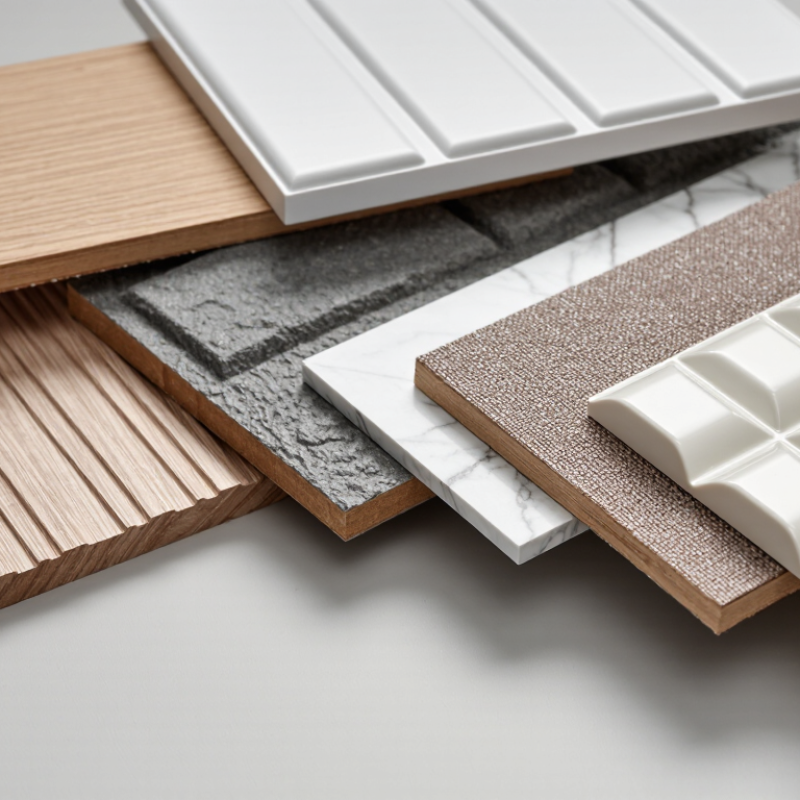
2026 Top Embossed PVC Panel Types for Global Buyers

What Embossed PVC Panels Are and How Their Surface Designs Are Made

Embossed PVC panels are rigid or semi-rigid sheets with raised or recessed surface patterns. The texture adds depth beyond a flat printed finish. Common designs include wood grain, stone veining, woven linen, and simple geometric lines. A panel may look convincing from across a room, yet its close-up texture can feel different. The effect is tactile.

Manufacturers typically soften the PVC sheet, then press it against a patterned roller or plate. Pressure transfers the design, while cooling helps the surface hold its shape. Some panels combine embossing with printed colors, so the grain and image appear aligned. Registration can vary slightly between production runs. That detail deserves attention when matching panels across a large wall.

Tips: Request a physical sample and inspect it under warm and cool light. Run a fingertip across the pattern, and check whether its depth suits the room. Ask about cleaning guidance and panel thickness before ordering. A small sample cannot show every installation issue, but it can reveal an overly glossy finish or a texture that feels too shallow.

How Embossed PVC Panel Types Differ by Pattern and Finish

Embossed PVC panels vary in both pattern and surface finish. Woodgrain designs use raised lines to suggest timber; narrow grooves create a subtle grain, while deeper ridges cast stronger shadows. Stone-look patterns often pair uneven embossing with printed veins. Geometric and linen-like textures offer a more regular, restrained effect. Small details matter.

Finish changes how each pattern reads. Matte surfaces soften reflections and can make deep embossing feel less pronounced. Gloss finishes brighten colors, but they may reveal fingerprints and uneven lighting. A satin finish sits between the two. Under warm showroom lights, a panel may look richer than it does in a bright hallway, so view samples in the intended space.

A small swatch can be misleading. Repeating wood knots or stone veins may become obvious across a full wall, and very deep textures can collect dust in their grooves. Compare several panels side by side, checking pattern scale, seam alignment, and edge details. Ask for product specifications on thickness, cleaning, and suitable installation surfaces; these vary by panel. There is no perfect finish for every room. Sometimes the most convincing sample is also the hardest to maintain.

Key Performance Features of Embossed PVC Panels

Embossed PVC panels combine a patterned surface with a lightweight, easy-to-clean finish. Raised grain or stone-like relief can add visual depth without the weight of natural materials. That matters. In busy interiors, the texture may also make minor scuffs less noticeable, though deep grooves can collect dust. Choose a pattern that suits the cleaning routine, not just the showroom lighting.

Performance depends on the panel core, surface layer, thickness, and installation details. Ask for a technical data sheet covering dimensions, tolerances, and applicable fire-test results. PVC generally handles routine moisture well, but joints and cut edges still need proper detailing. Heat can affect panel stability, so check the manufacturer’s recommended service range for the intended room. Do not treat decorative panels as structural components. A sample may look consistent, yet slight shade or embossing differences can appear between production batches.

Tips: Request a full-size sample and inspect it under the project’s actual lighting. Check how the pattern feels to the touch, how easily it wipes clean, and whether the edge profile suits your fixing method. For international orders, confirm packaging and batch consistency before approving large quantities.

Where Major Embossed PVC Panel Types Are Commonly Used

Wood-grain embossed PVC panels are commonly used on living-room feature walls, bedroom surrounds, and shop interiors. Their raised grain adds shadow and texture without the upkeep of real timber. Stone-pattern panels often appear in apartment entryways, reception areas, and bathroom walls. In wet rooms, check the panel specification and seal the joints carefully. Water-resistant surfaces do not make every installation waterproof.

The wider PVC market offers useful context, though it does not measure embossed panels alone. Grand View Research’s Polyvinyl Chloride Market Size, Share & Trends Analysis Report estimated the global PVC market at USD 70.4 billion in 2022, with construction accounting for 62.7% of revenue that year. That points to construction as a major setting for PVC products, not proof that embossed panels hold the same share.

Textile- and leather-look embossing is often chosen for hotel corridors, clinic interiors, and retail displays, where a softer visual finish is wanted. Ceiling panels can also hide uneven surfaces in utility rooms and back-of-house spaces. But appearance is only part of the choice. A sample under showroom lighting may look warmer than it does in a narrow hallway. Not everywhere. Poorly sealed edges or an unsuitable substrate can still cause trouble.

How Global Buyers Can Compare and Select Embossed PVC Panels

Global buyers should compare embossed PVC panels by more than pattern and price. Woodgrain, stone, and geometric designs create different effects under daylight and warm indoor lighting. Check the embossing depth: deep grooves add shadow but may collect dust, while shallow textures are easier to wipe. Small details matter. Inspect the panel edge and backing, then confirm thickness, usable width, and joining method. These affect installation time and the finished wall’s appearance.

Request samples from the production batch when possible. View them beside flooring or cabinetry, and wipe a small area with a damp cloth using the supplier’s care guidance. Samples can mislead. A small piece may not show how a repeated pattern looks across a full wall. Ask for a technical data sheet covering dimensions, surface finish, and moisture performance. For projects with specific requirements, request relevant test documentation rather than relying on verbal claims. Also check carton protection, storage guidance, and replacement-piece availability; shipping damage or a later color mismatch can complicate an otherwise straightforward order.

FAQS

How do embossed PVC panel patterns differ?

Woodgrain uses raised lines, while stone designs combine uneven texture with printed veins. Geometric and linen-like patterns look more regular.

How does the finish affect a panel’s appearance?

Matte finishes soften reflections. Gloss finishes brighten colors but may show fingerprints and uneven lighting. Satin sits between them.

Which patterns suit common interior spaces?

Woodgrain often appears on living-room feature walls and bedroom surrounds. Stone patterns are common in entryways and reception areas.

Are embossed panels suitable for wet rooms?

Some may be, but check moisture specifications and seal joints carefully. Water-resistant surfaces do not make every installation waterproof.

What should buyers inspect before choosing a panel?

Check thickness, usable width, backing, edges, and joining method. These details can affect installation time and seam alignment.

Why should samples be viewed in the intended room?

Warm showroom lights can make a panel look richer than it appears in a bright hallway. Lighting changes the impression.

Can a small sample show how a full wall will look?

Not always. Repeated wood knots or stone veins may become obvious across a large area. Small details matter.

What practical issues should buyers consider?

Deep grooves may collect dust, and damaged cartons or color differences can complicate an order. I might still miss something; check the care guidance.

What documents can help confirm panel suitability?

Request a technical data sheet for dimensions, finish, and moisture performance. For specific project needs, ask for relevant test documents.

Conclusion

Embossed PVC panels combine a durable plastic core with a textured surface created through patterned rollers or other forming techniques. Their designs range from subtle grain and geometric motifs to deeper textures, while matte, glossy, and other finishes influence how they look and feel. Understanding these differences helps buyers match an Embossed Pvc Panel to the intended interior style and practical requirements.

Common advantages include easy cleaning, moisture resistance, low maintenance, and a wide choice of colors and patterns, though performance can vary by construction and finish. These panels may suit interior walls and ceilings in residential, commercial, or hospitality spaces. Global buyers can compare options by checking panel thickness, surface consistency, installation method, maintenance needs, application suitability, and product specifications. A clear comparison helps balance appearance, durability, and project requirements when selecting a panel type.

Mason

Mason

Mason is a seasoned marketing professional with a deep expertise in the company's offerings and a passion for driving brand awareness. With a strong background in digital marketing strategies, he has an innate ability to connect with diverse audiences and effectively communicate product benefits.......