How to Choose the Best Wpc Outdoor Floor for Your Project?

Time:2026-08-17 Author:Isabella
0%

Choosing the right Wpc Outdoor Floor for your project can be daunting. Many options are available, and it's essential to consider several factors. The quality of materials can significantly impact the durability and aesthetics of your outdoor space. Wpc, or wood-plastic composite, offers a blend of natural beauty and modern resilience.

When selecting a Wpc Outdoor Floor, think about your climate and maintenance preferences. Some products are more resistant to moisture and fading. Additionally, the texture and color of the flooring will affect the overall vibe of your area. It’s crucial to weigh all the benefits and limitations of different brands.

Remember that not every option is perfect. Some may require more upkeep or may not offer the longevity advertised. Conducting thorough research and consulting with professionals can help avoid potential pitfalls. A carefully chosen Wpc Outdoor Floor can transform your space, enhancing both appearance and functionality.
How to Choose the Best Wpc Outdoor Floor for Your Project?

Factors to Consider When Choosing WPC Outdoor Flooring

When selecting WPC (Wood Plastic Composite) outdoor flooring, several factors play a crucial role. The durability of the material is paramount. Studies suggest that high-quality WPC products can last between 25 to 30 years when properly maintained. However, not all manufacturers provide the same durability, leading to variances in long-term performance. Inspect warranty information and check for certifications to ensure reliability.

Another significant factor is slip resistance. According to industry standards, WPC flooring should achieve a minimum coefficient of friction of 0.6 to be considered safe for outdoor use. Customers should request test results or certifications to confirm that the chosen product meets safety requirements. Additionally, consider color stability and fade resistance, especially in areas with intense sunlight. Some reports indicate that WPC floors can lose color without proper UV protection within just a few years.

Lastly, the environmental impact is essential for many homeowners. Studies show that WPC products can use up to 70% recycled materials, making them a more sustainable choice compared to traditional wood. However, care should be taken to assess the source and processing of the recycled components. By weighing these factors, project managers can choose the best WPC outdoor flooring that meets their project's specific demands while promoting sustainability.

Comparison of WPC Outdoor Flooring Features

This chart illustrates the feature ratings for WPC outdoor flooring based on five important factors: Durability, Water Resistance, UV Resistance, Maintenance, and Appearance. Each factor is rated on a scale from 1 to 10, providing a clear visual representation of how WPC flooring performs across these essential criteria.

Understanding the Composition and Benefits of WPC Material

When choosing WPC (Wood Plastic Composite) outdoor flooring, understanding its composition is crucial. WPC is primarily made from a blend of recycled wood fibers and plastic. This combination creates a durable material that mimics the appearance of real wood while offering enhanced resistance to moisture and pests. The wood fibers provide natural aesthetics, while the plastic component ensures longevity against the elements.

The benefits of WPC material extend beyond its composition. It is resistant to fading, which maintains its color over time. This type of flooring is also easy to clean—just a simple wash with soap and water. However, while WPC is a strong choice, it can be susceptible to scratching and may not be the best option for highly trafficked areas. It's essential to weigh these factors against your project needs. A careful selection based on your specific environment will ensure the best outcome for your outdoor space.

Evaluating Durability and Maintenance Requirements for WPC Floors

When choosing WPC outdoor flooring, durability is key. WPC, or wood-plastic composite, combines wood fibers and plastic. This unique blend enhances resistance to moisture, rot, and pests. However, not all WPC products are created equal. Factors such as thickness and density play crucial roles in the lifespan of the material. Thicker boards typically offer better durability. Examine the specifications thoroughly to ensure long-lasting quality.

Maintenance is another vital consideration. WPC floors require less upkeep than traditional wood but still need care. Regular cleaning with mild soap and water helps maintain appearance. Avoid harsh chemicals or pressure washing, as they can damage the surface. Also, be mindful of scratches; they can happen with heavy furniture or high traffic. While WPC offers significant advantages, it's important to acknowledge its limitations. Over time, color fading may occur with prolonged sunlight exposure.

When evaluating WPC flooring, consider your specific environment. If you live in a humid area, opting for higher-density boards may be wise. Reflect on your daily activities as well. Different usage patterns can influence performance. WPC flooring can be a fantastic choice, but understanding these factors can lead to a better decision for your project.

Cost Analysis: Comparing WPC Flooring with Traditional Materials

When considering outdoor flooring options, cost analysis is essential. WPC (Wood Plastic Composite) flooring offers a unique blend of affordability and durability. Compared to traditional materials like wood and concrete, WPC often comes with lower maintenance costs. Traditional wood may require staining or sealing, adding long-term expenses. In contrast, WPC is resistant to rot and pests, reducing the need for frequent repairs.

However, the initial cost of WPC flooring could be higher than some traditional options. Depending on the project, this might be a factor. Many homeowners may overlook these specifics during their project planning. It's crucial to consider life-cycle costs, not just upfront expenses. Consumers should weigh longevity against initial pricing. Such reflections can lead to better decisions in the long run.

Environmental impact also plays a role in overall costs. WPC is often made from recycled materials, which makes it more sustainable. Thus, investing in WPC flooring might support greener construction practices. Buyers should seek reliable information and consult with experts. This will help ensure informed choices that align with budgetary and environmental goals. Understanding these dynamics can ultimately lead to more satisfying project outcomes.

Selecting the Right Aesthetic for Your Outdoor Space Using WPC

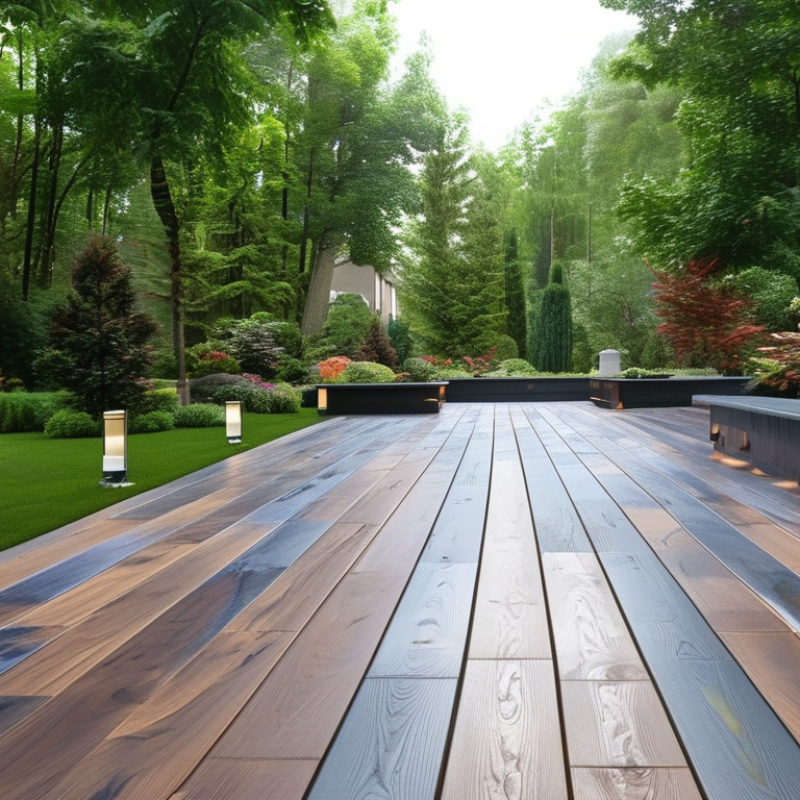
When selecting the right aesthetic for your outdoor space using WPC (Wood Plastic Composite), consider your overall design theme. The natural look of WPC can mimic wood, providing warmth without the maintenance. This option works well in gardens, patios, and pool areas, creating a pleasant ambiance. Pairing it with greenery can enhance the natural feel, making your space inviting.

Visual appeal plays a pivotal role in enhancing an outdoor area. You might want to choose lighter shades for a coastal vibe. Alternatively, darker tones can add sophistication and contrast against vibrant flowers. However, always think about your local climate. Darker WPC might retain heat, making the surface uncomfortable during hot days. Balancing aesthetics with practical aspects can sometimes be challenging.

Texture also matters. A smooth finish can look sleek but might be slippery when wet. Textured options add grip but could require more cleaning. Be sure to reflect on your lifestyle and how each choice aligns with your needs. Engaging with professionals or seeking advice from local suppliers might seem necessary but can provide unique insights into what works best for your environment.

FAQS

: What is WPC outdoor flooring?

: WPC stands for Wood Plastic Composite. It’s a blend of recycled wood fibers and plastic.

How long does WPC flooring last?

High-quality WPC can last between 25 to 30 years with proper maintenance.

Why is slip resistance important?

Slip resistance ensures safety. Look for a minimum coefficient of friction of 0.6 for outdoor use.

How can I check for durability?

Review warranty information and ask manufacturers for certifications on durability and safety.

Is WPC environmentally friendly?

WPC can contain up to 70% recycled materials, making it a more sustainable option.

Can WPC flooring fade?

Yes, without proper UV protection, WPC can lose color in intense sunlight over a few years.

How do I clean WPC flooring?

Cleaning is simple. Use soap and water for regular maintenance.

Is WPC resistant to scratches?

While WPC is durable, it can scratch easily. Consider this for high-traffic areas.

What should I consider for color stability?

Check certifications for fade resistance to keep the color vibrant over time.

How does the composition affect performance?

The blend of wood fibers and plastic enhances durability and moisture resistance but consider your environment.

Conclusion

Selecting the ideal WPC outdoor floor for your project involves several critical factors. First, you should consider the composition and benefits of WPC material, which combines wood and plastic to offer durability and weather resistance. Understanding its maintenance requirements is also essential, as WPC flooring typically demands less upkeep compared to traditional materials. Furthermore, conducting a cost analysis allows for a clearer comparison of WPC flooring with traditional options, helping to gauge long-term value.

Aesthetic appeal is another significant aspect when choosing a WPC outdoor floor, as it can greatly influence the overall look of your outdoor space. By evaluating your design preferences, you can select a style and color that enhances your project's visual appeal while still reaping the advantages of WPC flooring. With these considerations in mind, you can make an informed decision that aligns with your needs and aesthetics.

Isabella

Isabella

Isabella is a dedicated marketing professional with a sharp focus on driving brand growth and engagement through strategic content creation. With an extensive background in digital marketing, she combines her passion for storytelling with her keen understanding of industry trends to deliver......