How to Choose SPC Vinyl Flooring for Your Project?

Time:2026-09-16 Author:Mason
0%

Choosing Spc Vinyl Flooring is not simply a matter of matching a color to a room. It requires evidence, site experience, and careful product comparison. Fortune Business Insights reported that the global vinyl flooring market was valued at approximately USD 40 billion in 2023. Its forecast also indicates continued growth through the next decade. However, market figures differ between research firms. That difference deserves attention.

A practical selection begins with the building itself. Measure subfloor moisture, flatness, and temperature before ordering materials. A concrete slab that looks dry may still hold damaging moisture. ASTM F710 recommends testing concrete subfloors before resilient flooring installation. For many projects, this step prevents hollow sounds, joint separation, and unnecessary replacement. It is easy to overlook.

Spc Vinyl Flooring usually combines a rigid stone-polymer core, a printed design layer, and a protective wear layer. The core can improve dimensional stability, but it does not correct a poor subfloor. Check wear-layer thickness, locking-system tolerances, underlayment requirements, fire documentation, and indoor-air-quality certifications. FloorScore and GREENGUARD Gold are useful reference points, but certificates should be verified for the exact product, not just the manufacturer.

Consider traffic patterns in detail. A retail entrance with grit and wheeled carts needs different protection than a quiet bedroom. Examine sample planks under daylight, beside cabinetry, and near door thresholds. Ask suppliers for installation instructions, warranty exclusions, and replacement-lot availability. Some recommendations may sound convincing yet remain incomplete without site testing. A careful decision balances performance, appearance, maintenance, budget, and installer capability rather than relying on a single headline specification.
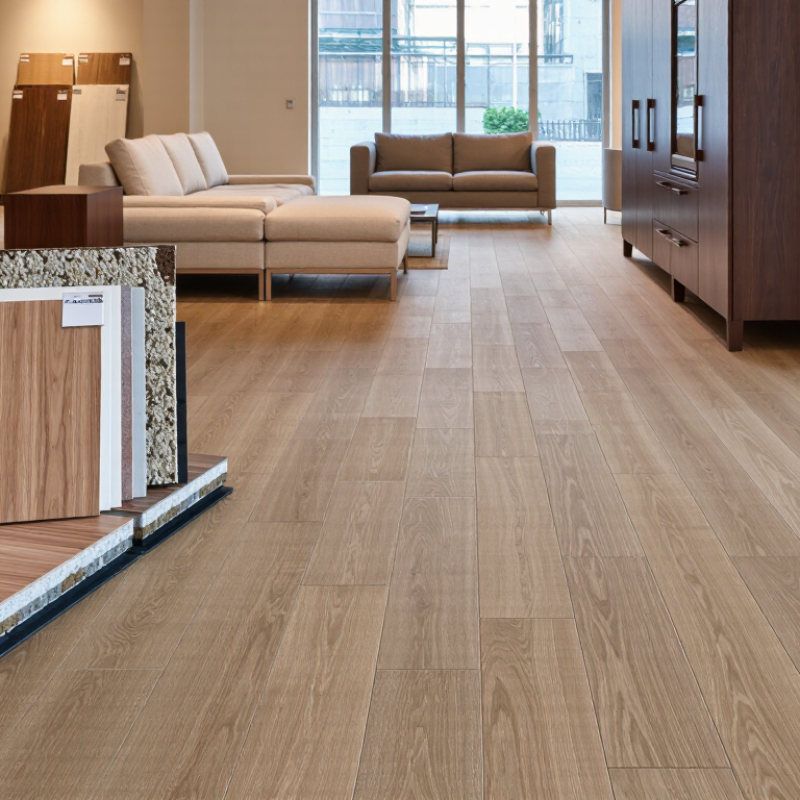
How to Choose SPC Vinyl Flooring for Your Project?

What Is SPC Vinyl Flooring and How Does It Work?

SPC vinyl flooring means Stone Plastic Composite flooring. Its rigid core blends limestone powder, PVC resin, and stabilizers. This structure creates a dense plank that resists dents and everyday movement. A typical plank includes a UV coating, printed design layer, wear layer, and core. Think of it as a small engineered sandwich.

The core does most of the work. It limits expansion when temperature changes, while the click-lock edges connect planks without adhesive. The floor usually floats over a clean, firm subfloor. In practical installations, a 0.3–0.5 mm wear layer suits many residential rooms, while heavier traffic may require more protection. It is water-resistant, not magically waterproof. Water can still enter through open joints or damaged edges.

Grand View Research estimated the global resilient flooring market at about USD 40.8 billion in 2023, with continued growth projected through 2030. That figure combines several resilient flooring types, so it does not represent SPC alone. Freedonia’s flooring analysis also identifies renovation and moisture-prone spaces as important demand drivers. For project selection, these trends matter less than the room itself. Check subfloor flatness, direct sunlight, rolling loads, and cleaning habits. ASTM F3261 provides performance guidance for rigid PVC flooring products, but test results cannot predict every installation. A beautiful plank may fail on an uneven floor. That part is often underestimated.

Which Project Requirements Should Guide Your Flooring Choice?

Choosing SPC vinyl flooring starts with the building, not the color. A busy retail corridor needs strong abrasion resistance and stable locking joints. A quiet apartment may need acoustic underlayment and lower impact noise. Grand View Research’s 2024 resilient flooring report estimates the global market at about USD 39 billion in 2023. This growth reflects demand for durable, water-resistant surfaces, but market popularity should not replace site evaluation.

Moisture is a major requirement. For bathrooms, basements, and entryways, check waterproof installation details, edge sealing, and subfloor moisture readings. SPC resists water better than many wood-based products, yet water can still enter through gaps. ASTM F3261 covers resilient flooring with a rigid polymeric core. Ask for test results, dimensional stability data, slip-resistance ratings, and low-emission certification. Do not rely on vague phrases like “commercial grade.”

Traffic levels should guide the wear layer, plank thickness, and warranty conditions. The 2024 U.S. Houzz & Home Study reported that homeowners continue investing heavily in renovation projects, making replacement costs an important planning factor. A thicker plank is not automatically better. It may fail over an uneven subfloor.

I would inspect the substrate twice. That small step is often skipped. Consider furniture loads, direct sunlight, rolling equipment, cleaning chemicals, and future repairs. A realistic sample test, using a wet entry mat and chair movement, can reveal problems that showroom lighting hides.

How to Compare SPC Core, Wear Layers, and Surface Finishes

How to Choose SPC Vinyl Flooring for Your Project?

Choosing SPC vinyl flooring starts with comparing the core, wear layer, and surface finish. The SPC core combines stone powder and polymer for dimensional stability. Check its density, thickness, and locking strength. A thicker core may reduce flexing over minor subfloor imperfections. However, thickness alone does not guarantee better performance. I have seen thick planks fail when moisture entered through an unprepared concrete base.

Compare wear layers by thickness and testing data, not by appearance. Residential rooms may suit a lighter wear layer, while hallways, shops, and busy offices need stronger protection. Common measurements include mil and millimeter ratings. Confirm the conversion before comparing samples. Look for resistance data covering abrasion, staining, and furniture movement.

Place sample pieces near a doorway. Sand and grit reveal weaknesses quickly.

Surface finishes affect both appearance and daily maintenance. Embossed textures can resemble oak grain, but deep grooves may collect crumbs. Matte finishes usually hide small scratches better than high-gloss surfaces. Smooth finishes clean easily, yet they can show dust and footprints.

Touch the sample with dry and damp hands. It should feel stable, not slippery.

I once chose a realistic texture that looked excellent under showroom lights, but cleaning it became frustrating. That decision needed more testing.

Check color under natural daylight, too. A warm beige can appear gray beside cool walls.

How to Select the Right Design, Size, and Installation Method

Choosing SPC vinyl flooring starts with the room, not a sample board. Observe daylight, wall colors, furniture, and traffic patterns. A pale oak look can enlarge a narrow hallway, while deeper tones add weight to an open living area. For busy homes, textured finishes can disguise small marks better than smooth surfaces. Check the flooring under daylight and warm lamps. Photos can mislead. Gray flooring may appear blue beside cool white walls.

Size changes the visual rhythm and installation effort. Long, wide planks create fewer joints and a calmer floor, but they may reveal uneven subfloors more clearly. Shorter planks suit smaller rooms and can reduce cutting waste. Measure the room, then add a practical allowance for cuts and future repairs. Do not choose a size only because it looks fashionable. A sample layout on the actual floor often reveals awkward end pieces. This step feels slow. It prevents expensive regret.

Installation depends on the locking profile, subfloor condition, room shape, and technical instructions. Click-lock systems can work well on prepared, dry, level surfaces. Moisture, loose areas, and height changes need correction first. Leave the required expansion gap around walls, door frames, and fixed cabinets. Plan transitions before laying the first row. Professional installers should verify moisture readings and acclimation requirements. I once underestimated doorway clearance; the floor looked good, but the door needed trimming. That mistake was avoidable. Inspect every carton and keep spare planks from the same production batch.

How to Check Quality, Maintenance Needs, and Total Project Cost

How to Choose SPC Vinyl Flooring for Your Project?

Quality checks should begin with more than a showroom sample. Ask for the technical sheet and independent test reports before trusting the finish. Check the wear layer, total thickness, locking profile, edge accuracy, and printed pattern consistency. Press two planks together. Uneven joints or lifting corners may signal poor manufacturing or careless storage. Samples can deceive. View several pieces in daylight, because color and gloss can change under warm lighting. Confirm slip resistance, fire performance, and emissions data suit the building and local requirements.

Maintenance is usually simple, but the subfloor decides much of the result. Remove grit with a soft broom or vacuum, then use a slightly damp mop. Avoid flooding joints, abrasive powders, and rubber-backed mats that may stain the surface. Place felt pads under heavy furniture and use protective sheets during later construction work. Leave suitable expansion gaps around walls, cabinets, and large openings. I would not skip this step, even when the room looks small. Small errors can become visible after seasonal temperature changes.

Calculate the complete project cost, not only the price per square meter. Include subfloor leveling, moisture testing, underlayment if required, trims, transitions, delivery, labor, waste, and old-floor disposal. Add around five to ten percent for cutting, though complex rooms may need more. Measure twice. Request a written quotation with product specifications and installation assumptions. A cheaper floor can cost more when damaged cartons, uneven preparation, or unavailable replacement planks create delays. Keep spare boards from the same production batch for future repairs.

How to Choose SPC Vinyl Flooring for Your Project? - How to Check Quality, Maintenance Needs, and Total Project Cost
Evaluation Dimension What to Check Recommended Benchmark Why It Matters Project Cost or Maintenance Impact
Overall Thickness Measure the complete plank thickness, including the attached underlayment if one is supplied. Thicker products can provide a more solid feel and may help accommodate minor subfloor irregularities, but thickness alone does not determine quality. Thicker products generally cost more. Confirm whether the quoted thickness includes the wear layer and attached pad.
Wear Layer Check the transparent protective layer thickness in millimeters. A thicker wear layer generally offers better resistance to abrasion, scuffing, and repeated foot traffic. Higher wear-layer specifications can increase material cost but may reduce replacement frequency in busy areas.
Core Density and Construction Review the technical datasheet and inspect a cut sample for a dense, uniform rigid core without visible voids or excessive brittleness. A stable rigid core supports dimensional consistency and helps reduce joint movement when the subfloor and installation are properly prepared. Request samples from different production batches before placing a large order. Batch variation can create additional sorting and labor costs.
Dimensional Stability Ask for test results covering heat exposure, length and width change, and joint integrity. SPC flooring is water-resistant, but temperature changes can still cause expansion or contraction if perimeter gaps are inadequate. Good stability can reduce callbacks, joint opening, and corrective installation work.
Click-Locking System Check whether planks connect evenly, remain flat, and can be separated without damaging the edges during a sample installation. Accurate locking reduces the risk of open joints, squeaking, edge damage, and installation delays. Complicated or fragile profiles can increase labor time and waste. Include a reasonable installation waste allowance.
Surface Finish Inspect the texture, gloss level, print clarity, bevel consistency, and resistance to visible scuffing. Surface quality affects appearance, slip perception, cleaning effort, and long-term visual wear. Textured matte finishes can conceal minor dust and light marks better than very glossy surfaces.
Slip Resistance Review the product's tested slip-resistance classification for the intended environment. Slip performance depends on the flooring surface, footwear, contaminants, and cleaning conditions. Entrance matting and prompt spill removal can reduce cleaning needs and help maintain safe conditions.
Water Exposure Confirm whether the product is marketed as water-resistant and review installation requirements for wet areas. SPC planks are typically resistant to moisture, but water can still enter through joints, edges, penetrations, or an unprepared subfloor. Correct subfloor preparation and perimeter detailing may add initial labor cost but help prevent moisture-related repairs.
Subfloor Requirements Check flatness, cleanliness, dryness, structural soundness, and compatibility with the existing floor. Rigid planks can telegraph high or low spots, causing movement, noise, joint stress, or premature wear. Budget separately for leveling, removal, moisture testing, repairs, and disposal. These costs can exceed the price difference between flooring products.
Acoustic Underlayment Determine whether an attached pad is included and review impact-sound or sound-absorption test data where relevant. Use only compatible underlayment and do not install extra layers unless the instructions permit them. Improperly soft or thick underlayment can cause excessive plank movement and stress the locking joints. An attached pad may reduce material and labor costs, while separate acoustic treatment may increase the project budget.
Cleaning Requirements Review approved cleaners, equipment, and spill-response instructions. Sand, grit, abrasive pads, and excessive water can dull the finish or damage edges and joints over time. Routine cleaning is usually low-cost, but commercial spaces require a planned cleaning schedule and suitable entrance protection.
Maintenance Restrictions Check guidance for steam mops, wax, polish, abrasive cleaners, rubber-backed mats, and heavy furniture. Avoid unapproved steam cleaning, wax coatings, abrasive tools, and dragging heavy objects across the floor. Incorrect maintenance can leave residue, discolor the surface, create slipping hazards, or void product support conditions. Use felt protectors, suitable non-staining mats, and lifting equipment when moving furniture.
Warranty and Documentation Review coverage period, exclusions, installation conditions, commercial limitations, and claim documentation requirements. Warranty coverage often depends on proper installation, approved maintenance, indoor use, and documented purchase details. Clear documentation reduces disputes and helps estimate the product's practical service life and support risk.
Material Cost Compare the delivered price per square foot or square meter, not only the advertised plank price. Calculate material using the actual measured area plus approximately 5–10% for cutting waste and future repairs, depending on layout. Complex patterns, angled rooms, stairs, and multiple room transitions can increase waste. Material cost = ordered area × delivered unit price. Include trims, transition profiles, stair parts, and adhesive where required.
Installation Cost Obtain a written labor quote covering preparation, installation, trimming, transitions, and cleanup. Separate basic floating-floor installation from subfloor repair and removal work. Installation conditions often have a greater effect on the final budget than the flooring specification alone. Typical cost components include removal, disposal, leveling, moisture testing, labor, transitions, and baseboard adjustments.
Total Project Cost Use a complete cost model instead of comparing product prices only. A complete estimate reveals hidden costs and supports a fair comparison between product options. For planning, a contingency of approximately 5–15% may be appropriate when the subfloor condition or project scope is uncertain.
Cost Planning Note: Actual prices vary by region, project size, subfloor condition, labor rates, layout complexity, delivery distance, and required accessories. Request itemized quotations and verify all technical requirements before ordering.

FAQS

What should I compare in an SPC vinyl flooring core?

Compare core density, thickness, dimensional stability, and locking strength. A thicker core may reduce flexing, but thickness alone proves little.

Can a thick SPC core solve subfloor problems?

No. An unprepared concrete base can allow moisture beneath thick planks. Correct dampness, loose areas, and uneven spots before installation.

How do I choose the right wear layer?

Match wear-layer thickness with traffic levels and testing data. Bedrooms need less protection than hallways, shops, or busy offices.

Which wear-layer tests should I review?

Look for abrasion, stain, and furniture-movement resistance. Place samples near a doorway. Sand and grit expose weak protection quickly.

How does surface texture affect maintenance?

Deep embossed grooves can collect crumbs. Smooth finishes clean easily but show dust and footprints. Matte surfaces often hide light scratches better.

How can I check whether flooring looks right in my room?

View samples under daylight and warm lamps. Wall colors can change the appearance. A warm beige may look gray beside cool walls.

Should I choose wide, long planks for every room?

Not always. Long, wide planks create fewer joints, but they can reveal uneven subfloors. Smaller rooms may suit shorter planks.

How much extra flooring should I purchase?

Measure the room and add a practical allowance for cuts and future repairs. A sample layout can reveal awkward end pieces before installation.

What must be checked before using a click-lock installation method?

Confirm a dry, level, stable subfloor and suitable locking profile. Check technical instructions, moisture readings, acclimation, and expansion gaps.

What installation mistakes should I avoid?

Plan door clearances and transitions before laying the first row. Inspect every carton, and save spare planks from the same production batch.

Conclusion

Choosing Spc Vinyl Flooring for a project starts with understanding its structure and performance. Its stone-plastic composite core provides strong dimensional stability, moisture resistance, and durability, making it suitable for homes, offices, retail spaces, and other demanding environments. Before selecting a product, consider the room’s traffic level, moisture exposure, subfloor condition, comfort expectations, and installation schedule. Comparing core thickness, wear-layer strength, protective coatings, and surface finishes can help ensure the flooring matches the project’s daily demands.

Design and installation choices should also reflect the room’s purpose and visual style. Plank or tile size, color, texture, and laying direction can influence how spacious the area appears, while click-lock or glue-down installation may suit different subfloors and project conditions. Finally, review product quality, cleaning requirements, repair options, expected service life, installation costs, and long-term maintenance expenses. A balanced evaluation of performance, appearance, practicality, and total cost will help you choose flooring that remains attractive and reliable over time.


Mason

Mason

Mason is a seasoned marketing professional with a deep expertise in the company's offerings and a passion for driving brand awareness. With a strong background in digital marketing strategies, he has an innate ability to connect with diverse audiences and effectively communicate product benefits.......