Choosing the right Wpc Decking Tiles can significantly impact your outdoor space. These tiles offer durability and style, perfect for various projects. However, not all products are created equal. Understanding the unique features and benefits of Wpc Decking Tiles is crucial for making an informed decision.
Consider factors like texture, color, and slip resistance. These elements play a vital role in the functionality and aesthetics of your deck. You might find the overwhelming variety of options confusing. It's essential to evaluate them based on your needs. Think about your project's purpose and the environment where you will install the tiles.
While Wpc Decking Tiles claim to be low maintenance, reality varies. Users often face challenges regarding cleaning and fading. Do your research to learn about the long-term performance of different brands. Seek expert opinions and reviews from real users. This will help you gain insights that are often overlooked in marketing materials.
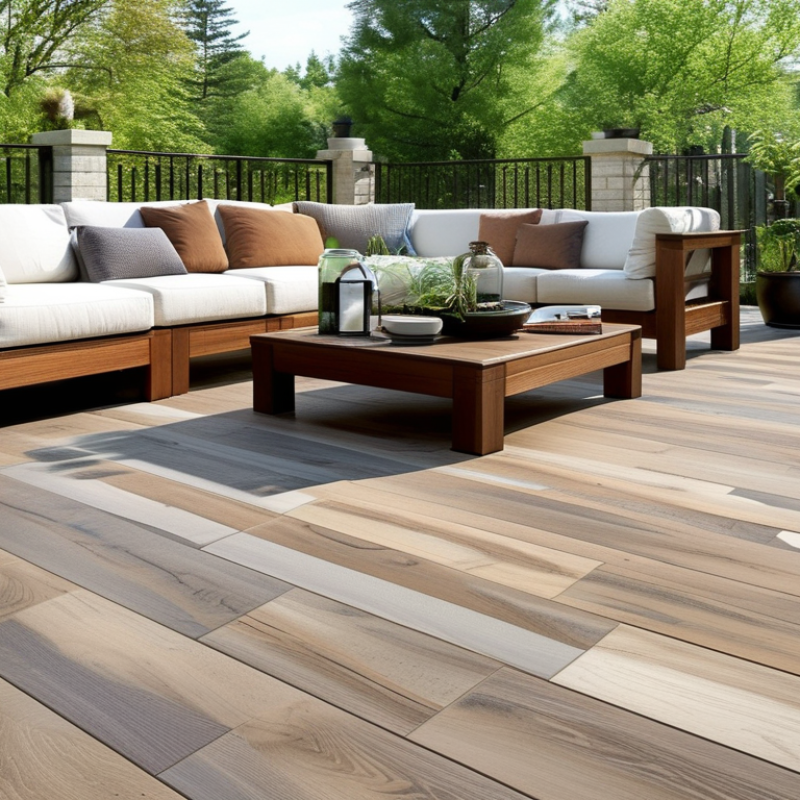
Choosing WPC decking tiles for your project involves careful consideration of several factors. The appearance of the tiles is essential. Look for colors and textures that complement your outdoor space. Take samples and visualize how they fit with your existing environment. The durability of WPC material is crucial, as it needs to withstand elements like sun, rain, and foot traffic.
Tip: Consider the climate in your area. Hot regions may require UV-resistant tiles, while areas with heavy rainfall benefit from moisture-resistant options.
Another important factor is the installation process. Some WPC decking tiles require specific tools and skills. Others are designed for easy DIY installation. Assess your comfort level with potential challenges. Don't hesitate to consult with professionals for installation advice.
Tip: Research best installation practices. Watching tutorial videos can help you avoid common mistakes that lead to costly fixes later.
Lastly, budget plays a significant role in your decision-making. While you may want high-quality tiles, balance quality with cost. Look for long-term value rather than just short-term savings.
When selecting WPC decking materials, it’s vital to understand the differences. WPC, or wood-plastic composite, combines wood fibers and plastic. This blend provides durability while maintaining a natural look. However, variations exist in manufacturing processes and material composition.
Some WPC products contain higher levels of wood, offering a richer appearance. Others may use more plastic, increasing weather resistance and longevity. It's crucial to consider your specific needs. For instance, a deck exposed to harsh weather might benefit from a more plastic-oriented mix. However, this choice could compromise the authentic wood feel.
In addition, pay attention to the surface finish. Some decks feature textured surfaces, enhancing traction and reducing slip risk. Other finishes may be smoother, providing a more refined look but potentially becoming slippery when wet. Balancing aesthetic needs with safety is essential. Take time to weigh these factors before making a decision.
When selecting WPC decking tiles, durability and weather resistance are critical factors. Research shows that WPC (wood-plastic composite) materials often outperform traditional wood in durability. In fact, a recent study found that WPC can last up to 25 years, while untreated wood might only last 10 to 15 years. The blend of wood fibers and plastic ensures that these tiles resist rot, mold, and insect damage. This protection is essential for outdoor applications exposed to varying weather conditions.
Weather resistance is equally vital. Many WPC decking products are designed with enhanced UV protection to prevent fading. According to the American Society for Testing and Materials (ASTM), products with high UV resistance can maintain color vibrancy significantly longer than regular composites. Additionally, WPC doesn’t warp or splinter as wood does. However, not all WPC products are created equal. Some may lack essential additives, resulting in reduced performance over time. Always check product specifications for weather-resistant features and durability ratings before making a decision.
Consumers often face the challenge of distinguishing between high-quality and lower-grade options. While some gyprock tiles may boast high durability ratings, real-world usage can differ. Observing products in various climates can reveal inconsistencies. Seeking advice from industry experts can help navigate this complexity. Understanding these factors will ensure that your decking tiles can withstand the elements and provide lasting enjoyment.
When it comes to WPC decking tiles, aesthetics and customization play significant roles. These tiles offer a variety of colors, textures, and designs. Choosing the right combination can enhance the beauty of your outdoor space. Consider how the colors of your tiles complement other elements, like furniture and plants. A harmonious palette creates a tranquil atmosphere.
Tips: Examine samples in your yard. Lighting changes how colors appear. Don’t rush this step; take your time to decide. Texture is equally important. Smooth surfaces can look modern, while textured tiles can prevent slips. Blend textures for visual contrast. Reflect on the overall theme you want to achieve.
Customization options are often available. Many manufacturers allow you to mix and match styles. This flexibility might lead you to create a unique design that caters to your taste. However, be wary of overloading your vision. A cluttered look can detract from the beauty of simple elegance. Aim for a focal point to draw attention.
When budgeting for your WPC decking project, it's essential to consider both material and installation costs. According to industry studies, the average cost of WPC decking materials ranges from $2 to $10 per square foot, depending on the quality and finish. This variability is important to note as it impacts your overall project budget. For a standard 300-square-foot deck, costs can easily reach between $600 and $3,000 solely for materials.
Installation costs are another significant part of your budget. Professional installation can add an additional $3 to $10 per square foot. In some cases, labor costs can exceed material costs. DIY installation might save money, but it can lead to mistakes that may require professional correction. A survey showed that nearly 30% of homeowners faced issues requiring additional expenses due to installation errors.
Be mindful of hidden costs as well. Fasteners, additional supports, and surface treatments can add 10% to 20% more to your budget. Many users overlook these details, leading to financial surprises. Always factor in these extras when planning your project. Balancing your budget with quality is crucial for a successful outcome.
: Consider the appearance, durability, installation process, and budget of the tiles.
Take samples to visualize how they fit with your outdoor space.
WPC tiles must withstand sun, rain, and foot traffic without deteriorating.
Consider UV-resistance in hot areas and moisture resistance in rainy regions.
Some tiles require special tools. Assess your comfort with installation before choosing.
Research best practices and watch tutorial videos for guidance.
WPC tiles can last up to 25 years, while untreated wood lasts 10 to 15 years.
Check product specifications for durability ratings and resistance features.
They may lack crucial additives, leading to reduced performance over time.
Balance your desire for quality with budget constraints for better long-term value.
Choosing the best WPC decking tiles for your project involves several key factors. Firstly, you should consider the various types of WPC materials available, as they differ in terms of composition and performance. Evaluating the durability and weather resistance of these tiles is crucial, especially if you live in an area with extreme weather conditions.
Aesthetic options and customization are also important, as WPC decking tiles come in different colors and finishes that can enhance the overall look of your outdoor space. Lastly, budgeting for your WPC decking project is essential. This includes not only the cost of the tiles themselves but also installation expenses to ensure a successful outcome. By taking these factors into account, you can select WPC decking tiles that best meet your needs and preferences.

Rongsen