Choosing the right WPC Ceiling Panel can be a daunting task. With so many options available, selecting the best product for your needs requires careful consideration. Expert Mark Thompson, a leading figure in the WPC industry, states, "The right panel can transform a space, but it must meet your specific requirements." His insights highlight the importance of understanding your individual preferences and installation conditions.
WPC Ceiling Panels offer a blend of durability and aesthetic appeal. They are known for their resistance to moisture and environmental factors. However, not all WPC panels are created equal. It's crucial to assess factors like thickness, finish, and insulation. Evaluating these aspects can help you avoid common pitfalls, such as choosing a panel that does not suit your climate.
Reflecting on these elements can lead to a more informed decision. A well-chosen WPC Ceiling Panel can enhance not only the visual appeal of your space but also its functional performance. Remember, investing time in research will pay off. Your ceiling deserves the best, and so do you.
Understanding WPC Ceiling Panels: Materials and Benefits
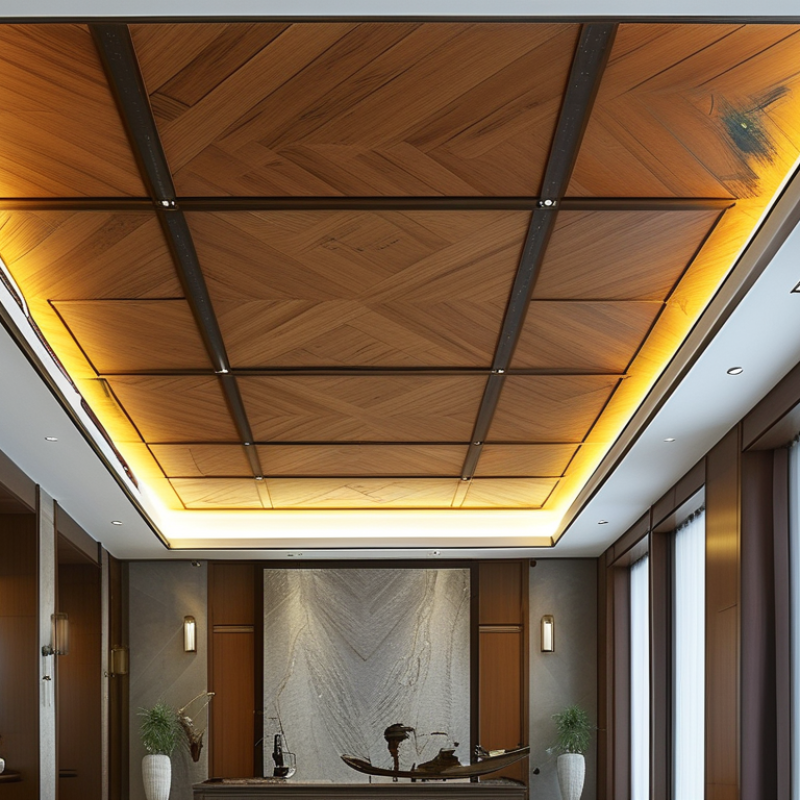
When considering WPC (Wood-Plastic Composite) ceiling panels, it's essential to understand their composition and advantages. WPC panels are made from a blend of wood fibers and plastic materials. This combination results in a durable yet lightweight product. The wood fibers provide a natural look, while the plastic offers moisture resistance.
One of the significant benefits of WPC ceiling panels is their versatility. They come in various colors and textures to fit different design preferences. Whether for residential or commercial spaces, these panels can enhance aesthetics. Additionally, WPC panels are easier to install compared to traditional materials. However, the quality can vary among manufacturers, so research is crucial.
Another critical aspect is maintenance. WPC ceilings are generally low in upkeep. They resist mold and mildew, making them suitable for humid environments. However, if subjected to extreme conditions, they may warp or fade. It’s vital to consider your local climate and the specific area where the panels will be installed. The right choice depends on balancing aesthetics, durability, and environmental factors.
Factors to Consider When Choosing WPC Ceiling Panels
When choosing WPC ceiling panels, several factors come into play. The first aspect is durability. WPC, or Wood Plastic Composite, is designed to withstand moisture and heavy use. So, if your area experiences humidity, opting for a robust option is smart. However, some panels may warp over time. Researching user reviews helps identify those that last longer.
Next, consider aesthetic appeal. WPC panels come in various colors, textures, and finishes. This variety allows customization for different interior designs. You might like a natural wood look or a sleek modern finish. The key is to ensure your choice complements your space. Yet, be cautious; not all finishes age well. Some may fade or scratch easily.
Lastly, think about installation requirements. Some panels are easy to install, while others might need professional help. This can affect your budget. If you choose DIY options, ensure you have the right tools and skills. Reflect on past projects, and remember everyone has room for improvement. Spending time on these factors ensures you find the best WPC ceiling panel for your needs.
Factors to Consider When Choosing WPC Ceiling Panels
Comparing WPC Ceiling Panel Styles and Designs
When selecting a WPC ceiling panel, style and design are crucial factors. WPC panels come in various styles, from rustic wood grains to sleek modern finishes. A study by Market Research Future revealed a steady growth rate of 4.2% in the WPC market, indicating its rising popularity. This growth reflects consumer interest in aesthetics and functionality, which WPC panels effectively provide.
Consider the texture and color of the ceiling panels. Textured finishes can add depth and interest, while smooth finishes create a clean look. According to industry experts, light colors can make a space feel larger and brighter. However, darker tones offer a cozy and intimate atmosphere. Depending on the existing decor, you may need to experiment with combinations to find what fits best.
Durability is another vital aspect. WPC panels are resistant to moisture and pests, making them suitable for various climates. However, not all panels are manufactured equally. Some may fade over time, while others might not hold up as well in humid conditions. It’s essential to evaluate panel specifications and reviews, as even minor design flaws can impact long-term performance. Exploring different styles requires a careful balance between aesthetics and practical needs.
Installation and Maintenance Tips for WPC Ceiling Panels
When installing WPC ceiling panels, preparation is key. Ensure the area is clean and dry. This helps the adhesives bond effectively. Many professionals recommend using moisture-resistant adhesives. This minimizes the risk of warping over time.
Regular maintenance keeps your WPC panels looking great. A damp cloth can remove dust and dirt easily. However, avoid harsh chemical cleaners. According to industry reports, using gentle cleaners extends the lifespan of these panels. Ensure the installation is inspected periodically for signs of damage or wear.
Temperature fluctuations can affect WPC ceiling panels. Excessive humidity can lead to expansion, while dry conditions may cause contraction. Maintaining a stable environment is crucial. Remember, minor imperfections might appear over time. These can be addressed without major repairs. Proper care and attention are vital for long-term durability.
Cost Analysis: Budgeting for Your WPC Ceiling Project
When budgeting for your WPC ceiling project, it's crucial to understand the costs involved. A 2022 industry report indicated that WPC ceiling panels typically range from $2 to $6 per square foot. The specific design and finish greatly influence the price. For instance, decorative options may push costs higher. It's vital to consider both material costs and installation expenses, which can add another $1 to $3 per square foot.
Another essential factor involves long-term value. WPC ceilings can last up to 20 years with proper maintenance. This longevity makes them a worthwhile investment. However, upfront costs can be daunting. A thorough budget plan should also take into account maintenance expenses, which can average around $0.50 per square foot annually. Neglecting these could lead to bigger expenses in the long run.
In addition, selecting the right thickness is key. Thicker panels may cost more initially but can reduce future repairs. Therefore, weigh the short-term costs against potential long-term savings. Being informed helps you make the most financially sound decision for your ceiling project.
How to Choose the Best WPC Ceiling Panel for Your Needs? - Cost Analysis: Budgeting for Your WPC Ceiling Project
| Parameter |
Standard Option |
Premium Option |
Luxury Option |
| Material Quality |
Basic WPC |
Enhanced WPC |
High-Density WPC |
| Color Options |
Limited Colors |
Moderate Color Selection |
Extensive Color Range |
| Thickness (mm) |
5 mm |
8 mm |
10 mm |
| Average Cost per Square Meter |
$10 |
$15 |
$25 |
| Durability (Years) |
5 years |
10 years |
15 years |
| Installation Ease |
Moderate |
Easy |
Very Easy |
FAQS
: Durability, aesthetic appeal, and installation requirements are key factors to consider.
WPC panels resist moisture but may warp over time. Research helps identify the best options.
Yes, WPC panels come in various colors and finishes for different interior styles.
No, some finishes may fade or scratch easily over time. Choose wisely.
Prices range from $2 to $6 per square foot, depending on design and finish.
Yes, installation can add $1 to $3 per square foot to your budget.
They can last up to 20 years if maintained properly, making them a good investment.
Maintenance costs average around $0.50 per square foot annually. Neglecting this could be costly.
Yes, thicker panels may incur higher upfront costs but could reduce future repair needs.
Past projects can offer insights, and remember, there's always room for improvement.
Conclusion
When it comes to selecting the best WPC ceiling panel for your needs, it is essential to understand the materials and benefits these panels offer. WPC (Wood Plastic Composite) ceiling panels are known for their durability, aesthetic appeal, and ease of maintenance. Key factors to consider when choosing WPC ceiling panels include the intended use, environmental conditions, and design preferences. Additionally, comparing various styles and designs can help you find the perfect match for your space.
Once you've selected your WPC ceiling panel, installation is straightforward, but proper techniques and maintenance practices will ensure longevity and optimal appearance. Budgeting for your WPC ceiling project involves analyzing costs, which can vary based on quality and design complexity. By considering these aspects, you can make an informed decision and enhance your interior with beautiful and practical WPC ceiling panels.

 Rongsen