When considering the aesthetic appeal and functionality of interior spaces, UV 3D wall panels emerge as a popular choice. These panels combine art and technology to enhance the visual experience within a room. Their unique designs and textures can transform plain walls into stunning focal points. However, choosing the right UV 3D wall panels requires careful thought.
In 2026, global buyers will face an array of options. Various materials and styles are available, catering to different tastes and budgets. Some panels may not meet durability standards, so buyers must be vigilant. Researching suppliers and reading customer reviews is essential for informed decisions. Investing in high-quality UV 3D wall panels can lead to remarkable transformations in both residential and commercial spaces.
Yet, not all panels deliver on their promises. Some may fade over time or lack the expected UV resistance. Reflecting on the balance between style and practicality becomes crucial. In the quest for the best UV 3D wall panels, buyers must weigh aesthetics against performance, striving to achieve a harmonious blend in their chosen spaces.
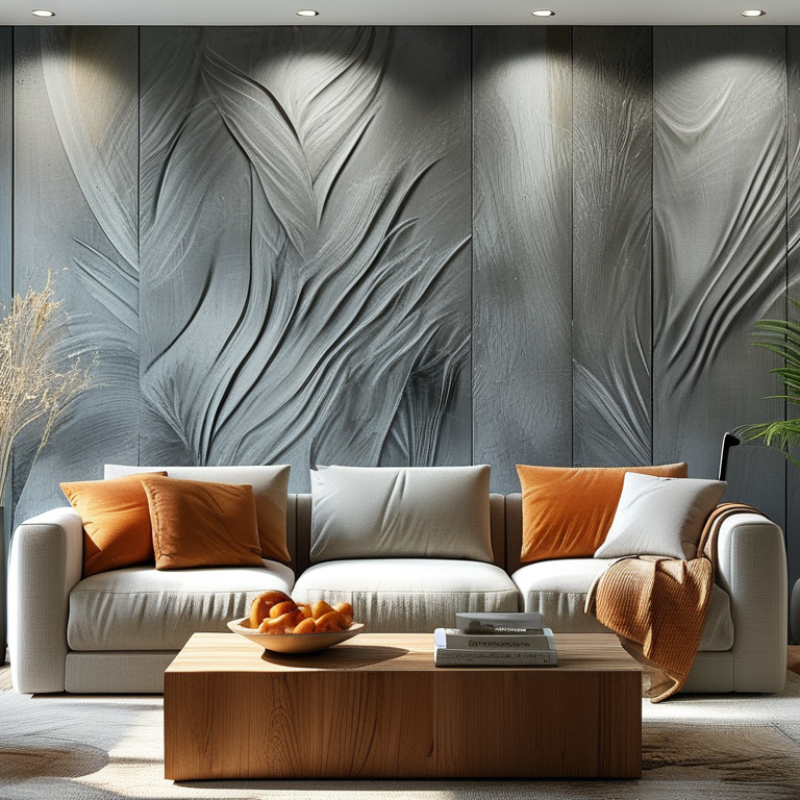
The market for UV 3D wall panels is evolving rapidly. Designers appreciate the aesthetic appeal and functionality of these panels. Their ability to reflect light creates beautiful, dynamic environments in homes and commercial spaces. As demand grows, manufacturers are innovating to keep up with trends, producing panels in unique styles and finishes.
In 2026, sustainability will be a key driver in this market. Many consumers prefer eco-friendly materials. This trend encourages brands to focus on sourcing sustainable options for their products. It's worth noting that some panels may not live up to environmental claims. Buyers should research carefully and look for certifications.
Technological advancements are shaping the industry as well. Many panels now incorporate special coatings that enhance durability and resist fading. However, while technology drives improvements, it's essential to remember that these innovations can also come with higher costs. Balancing quality and budget can be challenging for buyers. Each decision should factor in long-term value, as well as immediate aesthetic needs.
As the UV 3D wall panels market grows, key manufacturers are leading the way with innovative designs. These companies focus on integrating technology and aesthetic appeal. Their products enhance interior spaces, making them visually striking and functional. The materials they use are often eco-friendly, addressing customer concerns about sustainability.
Manufacturers are increasingly investing in research and development. They seek to improve durability and UV resistance in their panels. This focus on quality aligns with market demand for reliable products. However, some manufacturers struggle with balancing cost and innovation. This can lead to price fluctuations that confuse buyers.
The industry needs to engage more openly with its customers. Feedback is essential to understand preferences and improve products. Transparency about sourcing and production processes is also vital. Companies that prioritize these values will likely strengthen their position. The evolving landscape of UV 3D wall panels presents both opportunities and challenges for manufacturers.
When selecting UV 3D wall panels, buyers should pay attention to crucial features that impact both aesthetics and durability. One critical aspect is the material composition. Data from a market survey revealed that over 65% of consumers prefer panels made from high-density materials. These are not only more durable but also offer superior light reflection and a more vibrant appearance. Look for panels with UV-resistant properties. This enhances their life span and keeps colors intact even under direct sunlight.
Technology also plays a pivotal role in the effectiveness of these panels. Reports indicate that 70% of newly designed UV 3D wall panels incorporate advanced manufacturing processes such as injection molding. This technique ensures consistent patterns and fine details, promoting a luxurious finish. Some panels even feature antifungal and antibacterial properties, ideal for humid environments. While the advantages are clear, it's essential to consider the potential downsides. High-quality panels may come at a premium price, which can be a barrier for some buyers.
Incorporating sound-absorbing technologies is another trend gaining traction. Data shows that sound-absorbing panels can reduce noise levels by up to 30%. However, installation complexity can vary greatly. Some consumers may find the installation process daunting and time-consuming. Understanding these features and their implications can lead to more informed decisions when investing in UV 3D wall panels.
| Feature | Technology | Description | Durability (Years) | Eco-Friendliness |
|---|---|---|---|---|
| 3D Texture | Laser Cutting Technology | Provides intricate designs that create depth. | 10 | Yes |
| UV Resistance | UV Coating Technology | Resists fading and maintains color vibrancy. | 15 | Yes |
| Water Resistance | Hydrophobic Technology | Prevents water damage and mold growth. | 12 | No |
| Easy Installation | Interlocking System | Quick setup without professional help. | 8 | Yes |
| Variety of Designs | Digital Printing Technology | Offers colorful patterns and textures. | 10 | Yes |
When it comes to UV 3D wall panels, consumer preferences greatly influence the market. Buyers are increasingly drawn to panels that offer both aesthetic appeal and durability. Many look for designs that resonate with their personal style, whether that’s modern minimalism or vibrant artistic flair. The visual impact of these panels plays a crucial role in decision-making. Consumers often consider how the panels will elevate their spaces, leading to a growing focus on unique textures and patterns.
Buying behavior highlights the importance of quality. Shoppers prioritize panels made with sturdy, UV-resistant materials. They seek reliable products that will withstand the test of time and maintain their vibrant color. Sustainability is also becoming a concern. Eco-friendly options are attracting attention as buyers become more environmentally conscious. However, this raises questions about the availability and cost-effectiveness of such materials.
Price remains a significant factor. While some consumers are willing to invest in high-quality panels, others prefer budget-friendly choices. This creates a gap in the market. Sellers need to reflect on how to cater to diverse customer needs. Understanding the balance between affordability and quality can shape future offerings in the industry. The evolving landscape of consumer preferences reveals both challenges and opportunities for businesses in the UV 3D wall panel market.
As the demand for environmentally friendly construction materials grows, UV 3D wall panels are becoming popular. These panels offer aesthetic appeal and improve sustainability in design. Their production methods, however, can have environmental impacts that should not be overlooked.
One area for reflection is the sourcing of raw materials. While many manufacturers claim to use sustainable resources, the transparency in their supply chains can be questionable. It's crucial for buyers to research how these materials are obtained, ensuring they support eco-friendly practices. Additionally, the durability of UV 3D wall panels may lead to less waste in the long run, but initial manufacturing processes can be resource-intensive.
Another consideration is the energy efficiency of UV 3D wall panels. Some panels can contribute to energy savings through insulation, but their performance can vary widely. Buyers should seek panels with verified energy ratings to make informed choices. Emphasizing reputable certifications can help ensure that their investments align with sustainability goals. Balancing aesthetic desires with environmental responsibility remains a challenge, but it drives innovation in the industry.
: UV 3D wall panels are decorative panels that reflect light, enhancing aesthetic appeal in spaces.
Consumers prefer eco-friendly materials, pushing manufacturers to source sustainable options for products.
Technology enhances durability and resistance to fading but may increase costs, impacting buyer choices.
Buyers should conduct research and seek certifications to ensure panels meet environmental standards.
Feedback helps manufacturers understand customer preferences and improve their products.
Yes, balancing cost with innovation can lead to price fluctuations and confusion among buyers.
Buyers should consider long-term value alongside immediate aesthetic needs.
Research and development focus on enhancing durability and UV resistance, matching market demands.
By prioritizing transparency and engaging openly with customers about sourcing and production.
Not all brands may meet their sustainability claims; buyers must be cautious and informed.
The article "2026 Best UV 3D Wall Panels for Global Buyers to Consider" provides a comprehensive overview of the evolving market trends and consumer preferences surrounding UV 3D wall panels. As we move into 2026, these panels are gaining traction due to their innovative features and advanced technologies, which enhance both aesthetic appeal and functionality in various settings. Key insights into the industry's leading manufacturers point to a competitive landscape that emphasizes quality and design, catering to diverse consumer needs.
Moreover, the discussion highlights the growing importance of environmental sustainability in the production and application of UV 3D wall panels. Buyers are increasingly inclined to consider the ecological impact of their choices, leading to a preference for products that align with eco-friendly practices. Overall, the article serves as a valuable resource for global buyers looking to navigate the UV 3D wall panels market, showcasing significant trends and factors influencing purchasing decisions in this dynamic sector.

Rongsen